


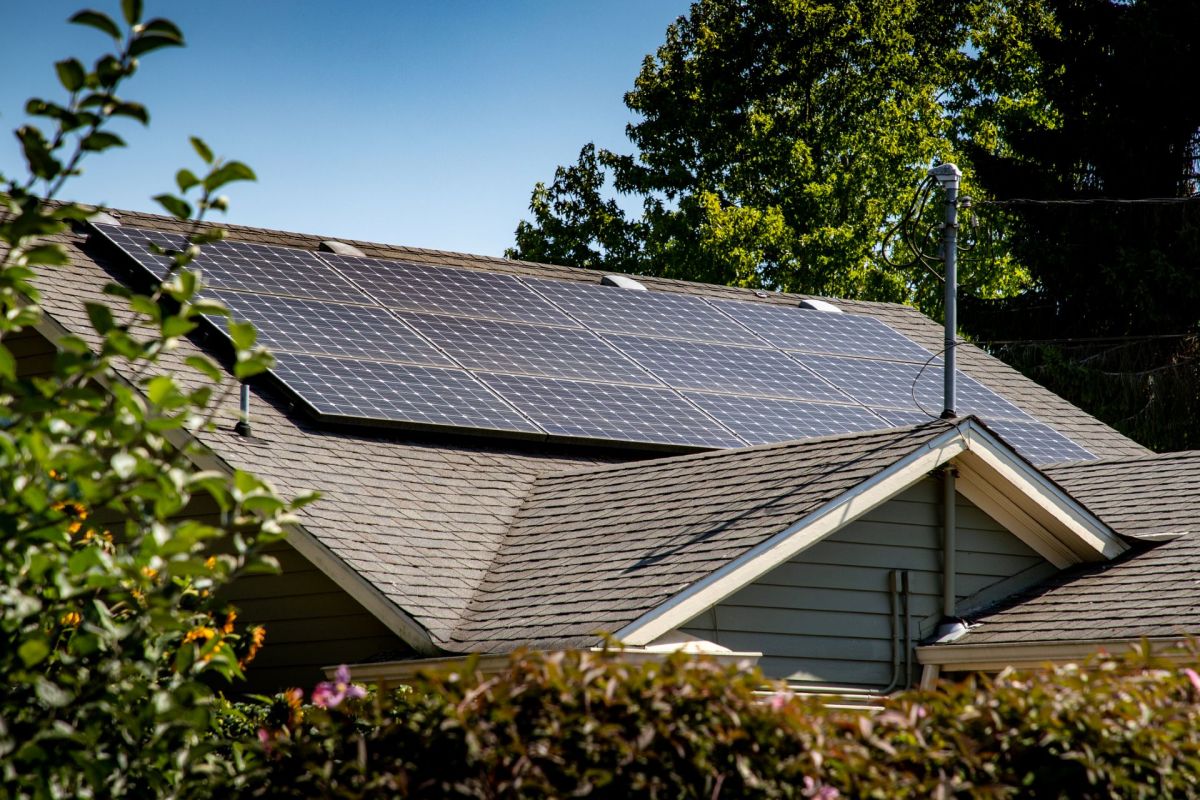
After seeing an 8-kilowatt home solar array reach only about 6 kilowatts even on sunny days, a homeowner in Massachusetts began to worry that the system might be underperforming.
After taking his concerns to Reddit, other solar owners said that the output is normal.
What happened?
The question was posted to the r/solar Reddit thread. The central Massachusetts homeowner asked whether something was wrong with the system, saying the 8-kW installation from November 2023 appeared to "max out about 75% or 6 kW."
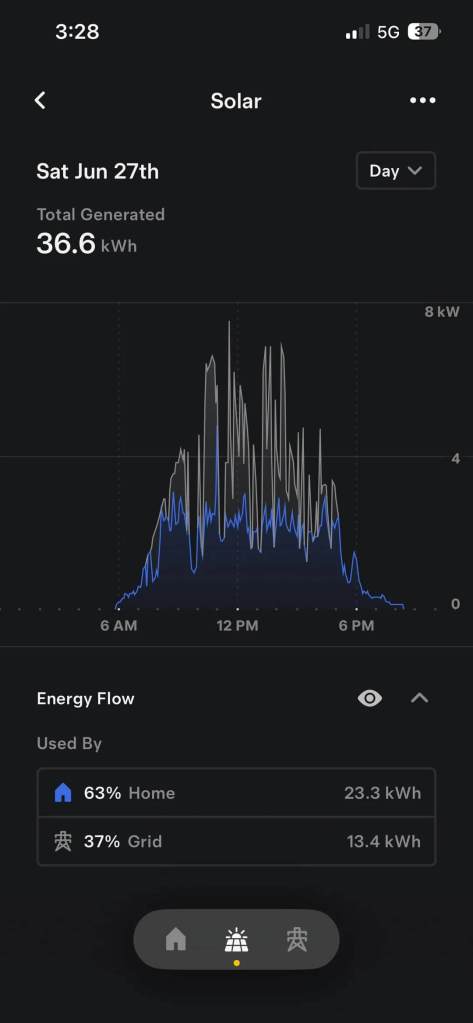
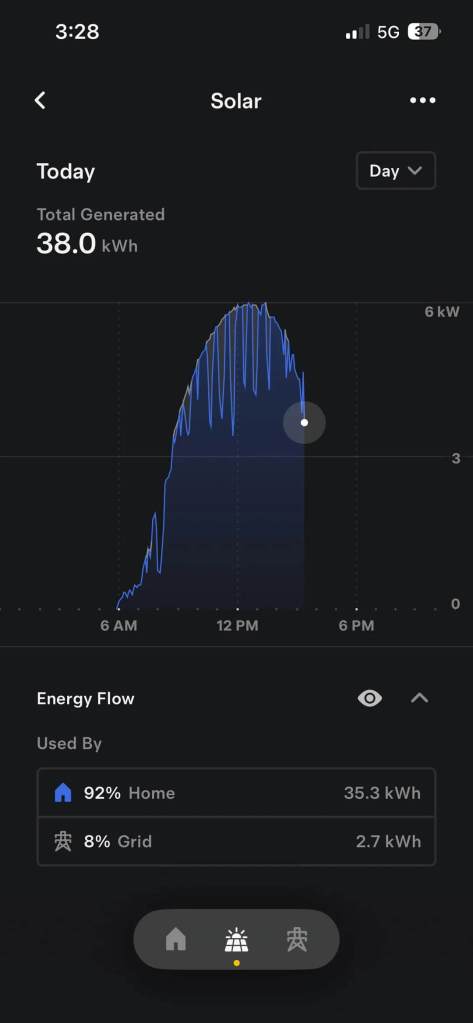
Replies mostly suggested there was no problem. One commenter noted, "The rating for panels is best-case conditions."
Another person said the day's high temperatures were likely a major factor, writing, "Its the heat. Its 100+ in New England today."
Another pointed to how panels are rated and the reality of the system: "400W panels don't often actually output 400W. That's a lab rating called the STC rating. In the real world you expect around 80% of that number, which is published as the NOCT rating."
Going solar is one of the best ways to save money on home energy, especially when you compare multiple installer offers before making a decision. Free tools from EnergySage can help homeowners get quick solar installation estimates, and EnergySage also makes it easier to compare quotes from installers.
Why does it matter?
This is a common point of confusion for homeowners. Many people hear "8-kW system" and assume they should regularly see 8 kW on their monitoring app, but that figure is typically based on ideal lab conditions rather than everyday rooftop performance.
Save $10,000 on solar panels without even sharing your phone number Want to go solar but not sure who to trust? EnergySage has your back with free and transparent quotes from fully vetted providers that can help you save as much as $10k on installation. To get started, just answer a few questions about your home — no phone number required. Within a day or two, EnergySage will email you the best local options for your needs, and their expert advisers can help you compare quotes and pick a winner. |

In practice, heat can reduce panel efficiency, meaning a system may still be functioning properly even if it rarely reaches its nameplate rating.
Solar remains one of the best home energy upgrades for lowering utility bills and reducing exposure to rising electricity prices, but consumers need realistic expectations to judge whether their system is delivering the savings they were promised.
Rather than focusing on a single peak number, it is often more useful to look at total production over time and how much grid electricity the system is helping homeowners avoid.
What can I do?
If your system seems to be producing less than expected, start by reviewing your installer paperwork for the panel wattage, inverter size, and projected annual production. Then compare performance over days and months, not just during one especially hot afternoon.
More From EnergySage
💡Go deep on the latest news and trends shaping the residential solar landscape


With EnergySage's help, the average person can save up to $10,000 on solar purchases and installations. EnergySage's solar map shows the average cost of a home solar panel system on a state-by-state level, as well as details on solar panel incentives for each state.
One commenter summed it up this way: "80% is what can normally be expected it looks pretty good to me." Another added, "Your system looks fine."

Get TCD's free newsletters for easy tips, smart advice, and a chance to earn $5,000 toward home upgrades. To see more stories like this one, change your Google preferences here.






