


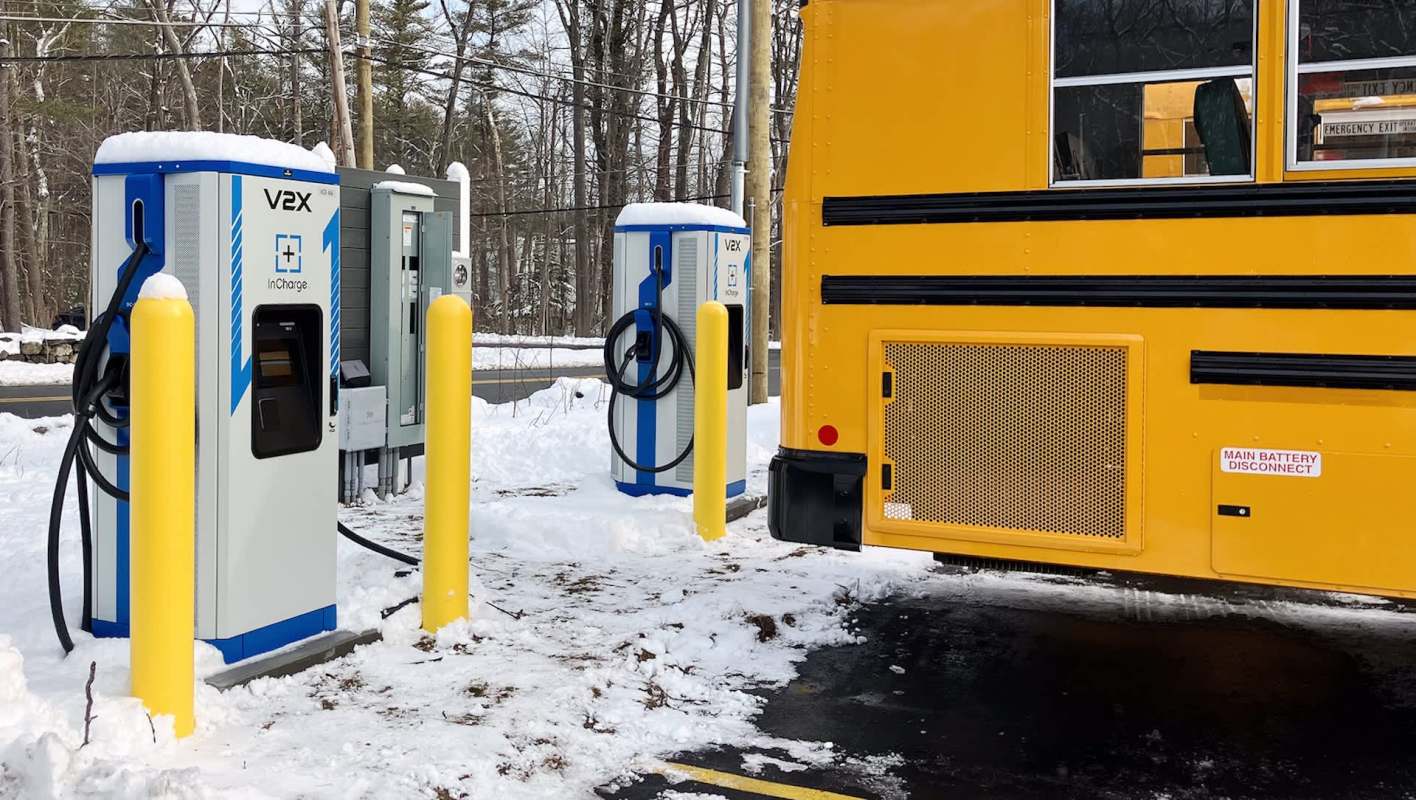
Electric vehicles could soon be more than just a sustainable way to get Massachusetts drivers around town. A new pilot program in the state will turn parked cars into a potential energy resource during times of high demand, Planetizen reported.
What's happening?
The state's new program is designed to try out "vehicle-to-grid" technology, which lets power stored in an EV flow back out for use on the entire electric system.
60 homeowners will be paid to participate, according to Planetizen.
Enrollment goes through Sunrun or The Mobility House, depending on the participant's vehicle. These companies then link customers to their utility's existing ConnectedSolutions demand flexibility program.
It's the first time EVs have been in ConnectedSolutions, giving participants a way to supply electricity from their vehicles.
Right now, only certain vehicles are eligible to participate, although batteries in the pilot have been contributing power since the program began last month, Planetizen reported.
TCD Picks » Quince Spotlight
💡These best-sellers from Quince deliver affordable, sustainable luxury for all




Why does it matter?
A single parked EV can hold far more energy than a standard home battery, according to ScienceDirect. An EV battery typically stores about 70 to 100 kilowatt-hours of electricity, and a home battery usually holds closer to 10 to 15 kWh.
If enough vehicles are connected at the right moment, utilities could use that stored power to help manage demand spikes instead of leaning as heavily on conventional power sources.
That creates the possibility of getting more value from an EV after it is parked in the driveway. Instead of serving only as a transportation tool, the car can become part of a household's broader energy setup.
A more flexible grid can make it easier to handle extreme weather, summer demand surges, and the natural ups and downs of electricity use throughout the day.
Programs like this could also help states make better use of energy already sitting in garages and driveways — which doesn't just benefit the environment, but also can put more money into homeowner's pockets, and in some cases technology like this can provide backup power in case of severe blackouts.
What's being done?
Massachusetts is using this effort as an early household-level test of vehicle-to-grid technology, even though similar systems are already in use in other countries.
Rather than creating an entirely new setup, the state is routing participants through Sunrun or The Mobility House and into ConnectedSolutions, the demand flexibility framework utilities already use. If the pilot works well, that could make a wider rollout easier.
Even though only certain vehicle types qualify, the program offers a glimpse of what could become more common as automakers and utilities improve two-way charging capabilities.
For now, the Massachusetts effort is small. But if cars can reliably act as backup power sources, they may become an important part of a cleaner, more resilient grid.

Get TCD's free newsletters for easy tips, smart advice, and a chance to earn $5,000 toward home upgrades. To see more stories like this one, change your Google preferences here.






