


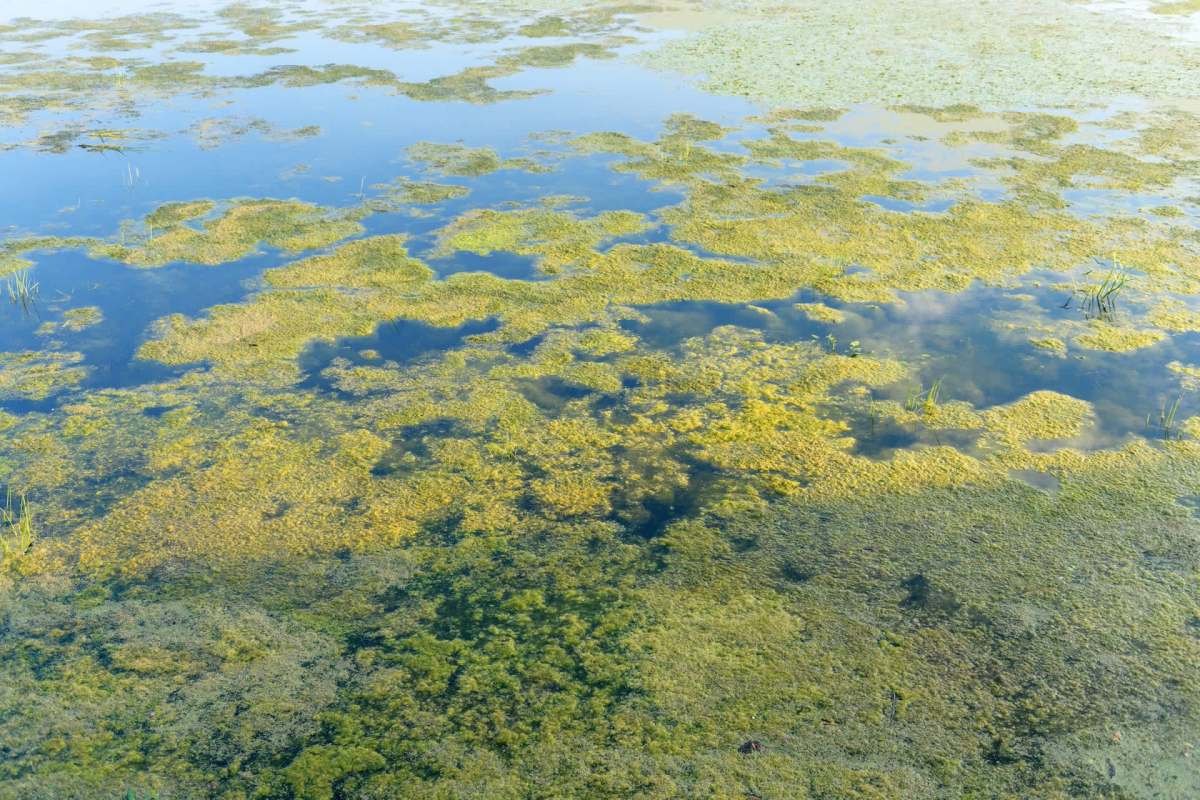
People and pets are being told to stay away from part of the Charles River in Massachusetts while state health officials investigate a suspected cyanobacteria bloom that may be difficult to detect and may be tied to a dog's death.
What's happening?
Warning signs have been posted at access points along the Charles River after the Massachusetts Department of Public Health issued an advisory on July 21 for the stretch between Kendrick Street in Needham and Spring Street in West Roxbury, according to NBC Boston. The affected section includes areas around Cutler Park and Millennium Park.
The advisory followed the death of a dog that suffered liver failure after a possible exposure to algal toxins near Millennium Park. State officials have not confirmed that cyanobacteria caused the animal's illness or death.
Charles River Watershed Association river science program manager Marielena Lima said the kind of algae suspected here may not look like the green surface scum many people typically associate with blooms.
"I've heard anecdotes from the dog owner saying, you know, the water looked clear, and that is possible with benthic cyanobacteria blooms," Lima said.
Local dog owner Angie Almonte talked about the precautions she's taking for her pup. "He was just trying to get near the water, and last time we went for a walk with him, we actually allowed him to drink some of the water," she said. "So, now we pulled him away from the water and tried to keep him safe."
TCD Picks » Quince Spotlight
💡These best-sellers from Quince deliver affordable, sustainable luxury for all




Why does it matter?
Some cyanobacteria can release toxins that make people and animals sick. NBC Boston reported that exposure may cause skin or eye irritation, breathing trouble, vomiting, and diarrhea, and in severe cases, it can also damage the liver, kidneys, and nervous system.
In pets, symptoms can include vomiting, drooling, staggering, or convulsions. Animals can face added risk because they may drink from the river, lick algae off their fur, or ingest contaminated material along the shore.
In this situation, officials are concerned about benthic cyanobacteria, which grow on the bottom rather than floating in visible patches on the surface.
What's being done?
State health officials collected water samples to test for both cyanobacteria cells and toxins, NBC Boston reported. Lab results were expected July 23, and officials said updated guidance would come after those findings were reviewed.
People are being advised to avoid both the water and the shoreline along the affected stretch, NBC Boston reported, including by not swimming or kayaking there. Pet owners are also being urged to prevent animals from entering the river or drinking from it.
NBC Boston added that anyone who gets water or algae on their body should wash off immediately. If a pet shows symptoms after possible exposure, owners should contact a veterinarian as soon as possible.
The Department of Public Health told NBC Boston that cyanobacteria growth can be encouraged by warm weather, sunshine, runoff after rain, and water that is slow-moving or stagnant.
"The way the temperatures have risen, we're gonna get more and more of this, so it's something you sort of expect after a while," dog owner Brian Drayton said.

Get TCD's free newsletters for easy tips, smart advice, and a chance to earn $5,000 toward home upgrades. To see more stories like this one, change your Google preferences here.






