


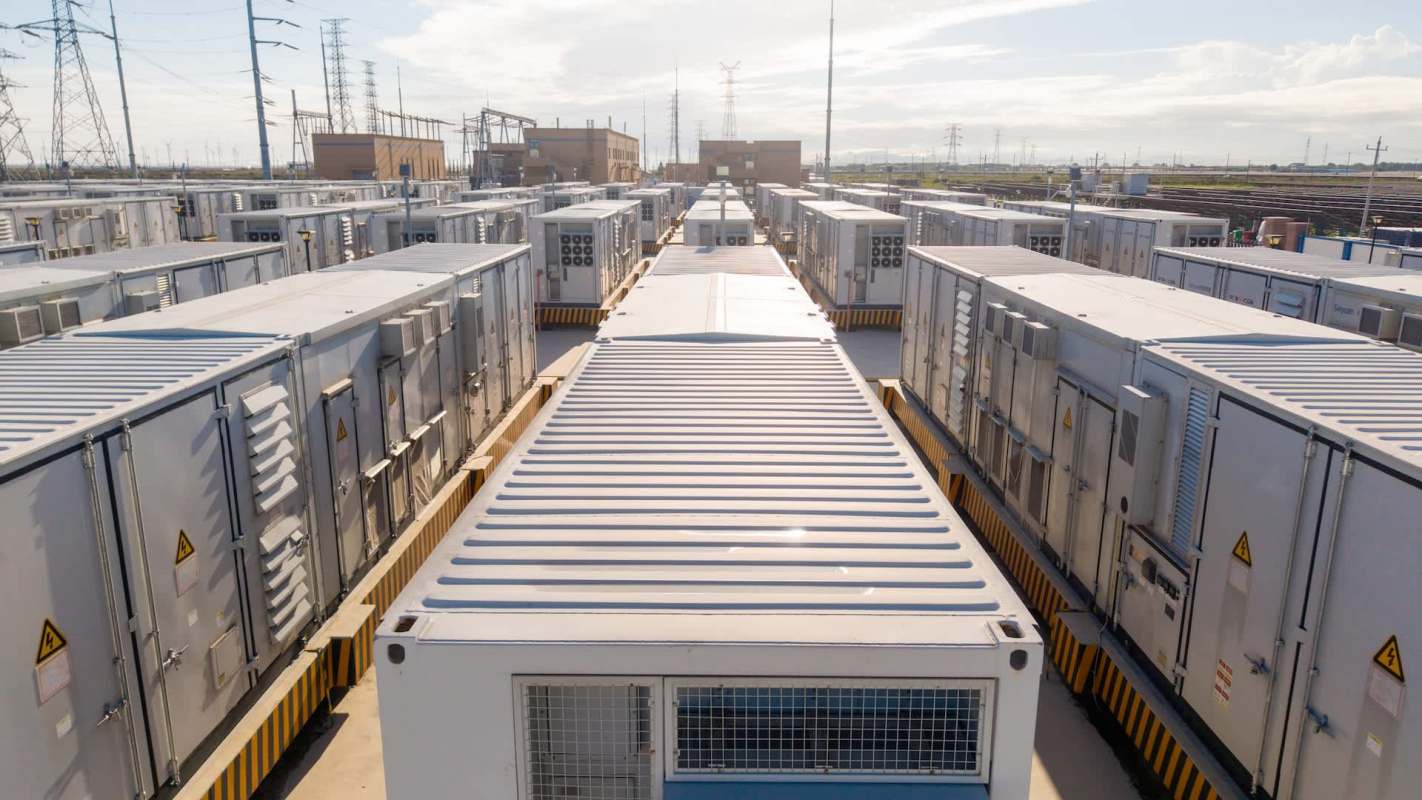
A proposed battery storage project in Hadley, Massachusetts, is nearing approval after a consultant concluded it should remain within state noise limits.
Here's what to know
According to the Daily Hampshire Gazette, board members were told at a Sept. 15 continued hearing that the proposed 5-megawatt battery energy storage system would meet the Massachusetts Department of Environmental Protection's noise policy.
With the proposed mitigation in place, sound from the facility would stay below 34 A-weighted decibels at the property boundary, Marc C. Wallace, a vice president at Tech Environmental Inc. in Chelmsford, said. Wallace noted that the noise reduction kit would cut sound by 20 decibels and keep that level from extending beyond the lot lines, even during the quietest overnight conditions.
Planned for a nearly 5-acre former gravel pit, the stand-alone system would use five energy storage containers and related equipment. Peter Forte, vice president of ZP Battery Devco, said the project would also include inverters, converters, and a gravel access road, and would connect to three-phase lines along Breckenridge Road, the Daily Hampshire Gazette reported.
Grid-scale batteries can store electricity when it is plentiful and discharge it later when demand rises. In New England, that can help shift less-needed midday power into the more in-demand evening peak, potentially easing pressure on the grid during periods of heavy use and extreme weather.
More background
The project has already taken a long road to reach this stage. The Gazette reported that Hadley's Planning Board rejected the plans in 2024, halting the development and setting up a legal dispute over whether the town could block it.
TCD Picks » Quince Spotlight
💡These best-sellers from Quince deliver affordable, sustainable luxury for all




That denial led the developers to sue in Hampshire Superior Court, after which the board resumed reviewing a proposal nearly identical to the one it had rejected. A central issue in the dispute was the Dover Amendment, a Massachusetts law that can limit local zoning restrictions on certain land uses tied to public health, safety, and environmental goals.
Local officials were weighing whether nearby residents would face an unreasonable burden from the battery system.
Although insect sounds created substantial background noise during the study, the consultant said the project would still meet the state standard under the quietest overnight conditions.
What's being done?
The developer is relying on a noise reduction kit to address the Planning Board's biggest concern. If the board accepts that analysis, the project could move much closer to final approval.
Forte said the project must comply with the state's noise policy at all times and that residents can bring complaints to the building commissioner. The system will be monitored remotely 24 hours a day.
Board members closed the public hearing, so no further comment will be accepted, and indicated a review by the town attorney and a vote on conditions would take place Oct. 6 or 20.
Where can I learn more?
Battery storage proposals across the country face similar local scrutiny, even as some continue to win approvals. They cover neighborhood concerns, permitting fights, and major approvals and financing.
• In Massachusetts, regulators approved a battery site near seniors' homes after neighbors won 100 conditions.
• In Pike County, Indiana, regulators approved a massive energy storage system near a power plant.
• In Arizona, developers financed the state's largest battery storage project as the state's market surged.

Get TCD's free newsletters for easy tips, smart advice, and a chance to earn $5,000 toward home upgrades. To see more stories like this one, change your Google preferences here.






