


Researchers in Maryland are looking to the heat-tracking abilities of pit vipers and pythons as a model for a new generation of lightweight infrared sensors. Those snakes can register extremely small temperature changes with striking precision.
Here's what to know
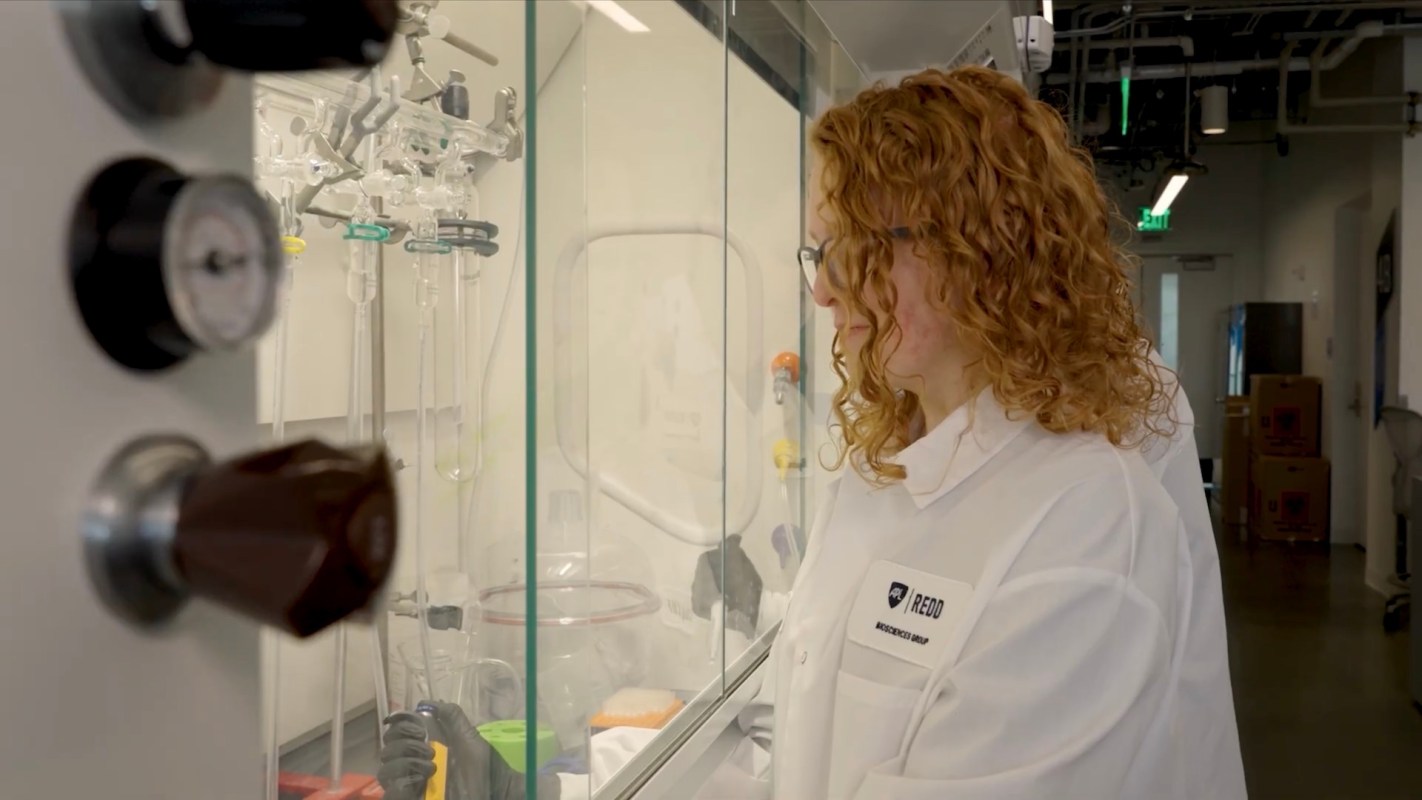
At the Johns Hopkins Applied Physics Laboratory in Laurel, scientists are designing a biologically inspired heat-sensing system based on the proteins snakes use to "see" warmth.
In practical terms, the project aims to create compact, low-SWaP — short for size, weight, and power — devices that can detect infrared heat while using little or no conventional electrical power.
Using special pits beneath their eyes, pit vipers and pythons can detect temperature differences of 0.005 degrees Fahrenheit (0.003 degrees Celsius) or even less.
According to Shanna Ratnesar-Shumate, who heads APL's Biological and Chemical Sciences program, part of the work is intended to reduce the burden of heavy equipment.
"Service members are often stuck carrying hefty equipment, so we've focused on developing low-SWaP [size, weight, and power] technologies that will not only meet or surpass current performance capabilities but reduce the power and physical footprint required by them," she said. "We're looking to biology for inspiration in how to achieve that goal."
TCD Picks » Quince Spotlight
💡These best-sellers from Quince deliver affordable, sustainable luxury for all




APL said the concept could eventually be used in solid-state equipment such as thermal trip wires and heat-detecting goggles.
More background
The design tries to mimic the biological process the animals use to sense heat. The researchers are working toward a full biological sensing circuit built around proteins and molecular energy transfer.
Led by APL biochemist Lizzy Robinson, the project focuses on two main components: a biological energy module and a thermal sensing module.
To address that problem, the team created a simplified, cell-like setup with molecular machinery that converts light and chemical gradients into adenosine triphosphate, or ATP, a usable form of energy.
Robinson explained: "To match the way an electrical current moves through a conventional circuit, we had to engineer a biological chain of events in which each component passes energy to the next. In our system, sunlight is first converted into stored chemical energy, and then that powers a thermal sensing response. It's essentially a biological energy circuit made up of tightly coordinated molecular steps."
What's being done?
The power module produces ATP through a layered thin film made with microbial rhodopsin, a light-sensitive protein, and ATP synthase, which functions like a molecular turbine. When the film is exposed to light, it creates a proton imbalance that ultimately generates ATP.
For the sensing side, the team used genetically engineered bacteria to make snake heat-sensing proteins. After isolating those proteins, the researchers inserted them into a test system and found that rising temperatures caused the proteins to open, allowing calcium ions to move through and creating measurable voltage spikes.
APL materials scientist and electrochemist Denise Hoover said that the finding offered a practical connection between biology and engineering.
"These results showed us we had a direct way to convert a thermal signature into an electrical signal, which is really the bridge between biology and engineering," Hoover said. "Once we could reliably measure that signal, we had a way to connect a biological sensing mechanism with technologies that could one day be used in the field."
The researchers plan to merge the power and sensing modules into a single biological circuit and run additional tests to measure its performance.
They are also exploring whether future sensing platforms could incorporate biologically based systems related to smell or chemical detection.
As Robinson put it, "Each piece of this research marks an important milestone. The exciting part isn't just recreating one biological system; it's proving we can create new technologies from biology's tool kit."
Where can I learn more?
These stories look at body-heat-powered devices, spider-silk sensors, and smart textiles.
• Researchers have built devices powered by body heat, expanding options for flexible electronics.
• Engineers have created spider silk bioelectronic sensors that can be placed almost anywhere.
• Researchers inspired by spider webs are developing strong and stretchable smart textiles for wearables.

Get TCD's free newsletters for easy tips, smart advice, and a chance to earn $5,000 toward home upgrades. To see more stories like this one, change your Google preferences here.






