


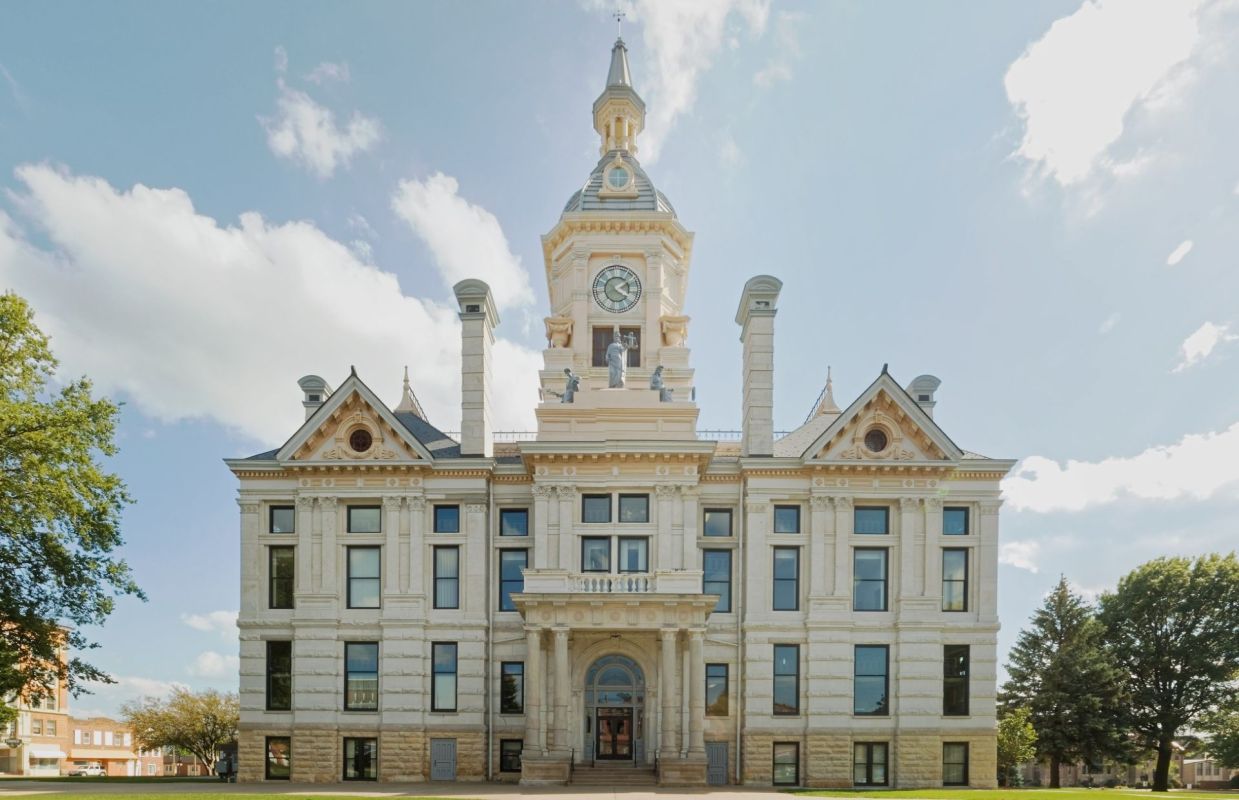
Marshalltown, Iowa, leaders are rethinking how quickly to move forward with potential data center development after the issue became one of the city's most heated planning debates.
At a July 13 meeting, the council backed a shorter temporary halt only weeks after turning down a broader one, a sign of growing concern about what these power-hungry facilities could mean for the city.
What happened?
An effort to enact a six-month pause failed in a 4-3 vote three weeks ago, but the council changed direction, approving a four-month moratorium by a 5-2 vote, the Times-Republican reported. The temporary delay is intended to give city officials time to implement regulations and restrictions before any proposal can be approved.
Before that vote, Assistant Housing and Community Development Director Clayton Ender said he had worked with the city attorney to identify available "legal and procedural mechanisms." He also provided a fact sheet explaining that Marshalltown's zoning code does not specifically mention data centers, leaving the city in an uncertain position.
Councilor Marco Yepez-Gomez said he wanted the moratorium in part to ensure the council had a direct say in how any proposal is handled. He also cited a Cedar Rapids data center with a 1-gigawatt power draw, calling that level of demand "pretty insane."
The public mood had also shifted since the council's June 22 discussion. While nearly all of the speakers opposed data centers and questioned what benefit they would bring to Marshalltown in June, the July 13 meeting had opinions voiced on both sides of the topic.
TCD Picks » Quince Spotlight
💡These best-sellers from Quince deliver affordable, sustainable luxury for all




Why does it matter?
Data centers often become local flashpoints because their promised economic benefits can come with steep resource demands. They may add tax revenue and digital infrastructure, but they can also put major pressure on electric and water systems. Councilor Mark Mitchell, who joined remotely from Florida, called them "environmentally damaging" because of their heavy use of water and power and their effects on wildlife.
Large new power demands can shape local infrastructure planning, land use decisions, and potentially household energy bills. Marshalltown's vote shows how smaller cities are being pulled into a much broader conversation about who benefits from AI-era growth and who is left to absorb the costs.
What's being done?
Rather than rush forward, Marshalltown is using the four-month moratorium to halt approvals while city leaders work through the fall on a set of rules. The moratorium also creates room for additional public input before any project advances.
The council is scheduled to formally adopt the resolution on July 27. For backers of the pause, the concern remains the scale of these projects: Resident Maggie Valentine expressed her frustration, saying, "The people really want to be able to trust our public officials to represent our interests and to not give in to major corporations."

Get TCD's free newsletters for easy tips, smart advice, and a chance to earn $5,000 toward home upgrades. To see more stories like this one, change your Google preferences here.






