


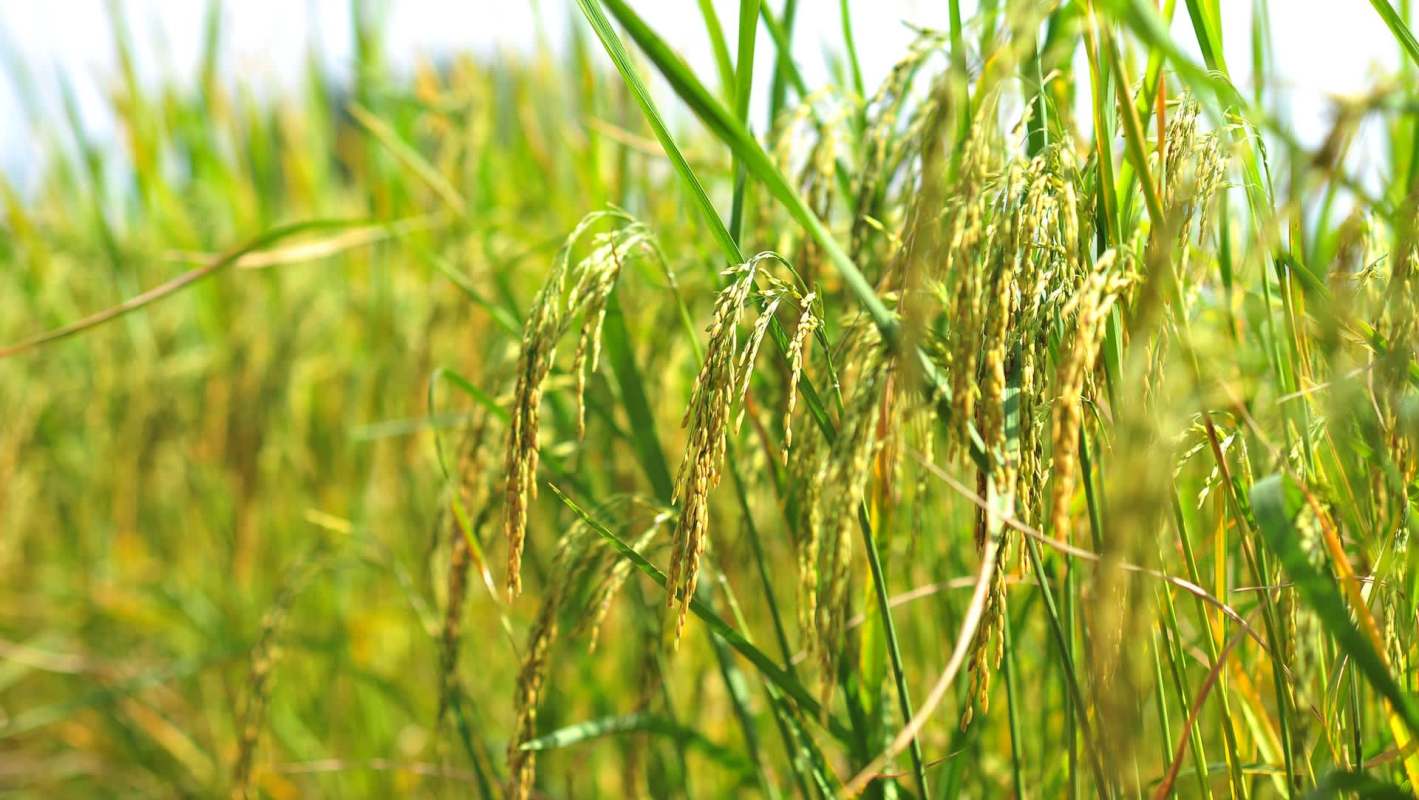
New research suggests drones could aid efforts to protect remaining manoomin in the Upper Midwest as the plant disappears from lakes and wetlands.
For Indigenous communities, wild rice — known as manoomin — is not simply food but a relative.
What happened?
Inside Climate News reported that Bazile Minogiizhigaabo Panek, who is from the Red Cliff Band of Lake Superior Chippewa, joined his first rice harvest in northern Wisconsin at age seven.
"There's just this moment of excitement and the acknowledgement that we are doing something that my ancestors have done for thousands of years, or doing a similar process that works to honor them," he said.
That tradition is under growing pressure.
Researchers found that drones can help pinpoint where wild rice is growing, which could reduce the time and money needed for restoration.
TCD Picks » Quince Spotlight
💡These best-sellers from Quince deliver affordable, sustainable luxury for all




The finding comes as manoomin suffers from changing land use, dams, pollution, motorboat wakes, and climate shifts such as warmer winters and wetter summers.
Even after the Trump administration pulled funding for some projects, restoration efforts have continued across Wisconsin and Minnesota.
Tribes, universities, nonprofits, and intertribal organizations are reseeding habitats, monitoring water conditions, and teaching people how to harvest and process manoomin.
Why does it matter?
For many Indigenous nations, manoomin is inseparable from identity and food sovereignty.
Harvesting it is also part of sustaining it. While some seeds are collected, others naturally fall into the water, helping future wild rice stands grow.
Healthy wild rice beds can support wetlands and shallow lakes, benefit wildlife, and strengthen ecosystems that nearby communities rely on.
Jessie Conaway, who works on a Lake Winnebago restoration effort, told ICN that that work "leads to food sovereignty, cultural revitalization, nutrition, the building blocks of communities."
As temperatures continue to rise, quickly identifying viable habitats could help communities focus restoration where it may do the most good.
In that way, drones may support efforts to protect an important food source while strengthening resilience for the future.
What are people saying?
Researchers and tribal leaders say the threats are serious, but so is the momentum behind restoration.
"There's a ton of restoration going on across the region, led by tribes, nonprofits, intertribal organizations, government, state governments, and that is what gives me hope," lead author Madeline Nyblade said.
Others emphasized that the work is most effective when it stays grounded in relationships and long-term care.
"We've had some core restoration areas where we're really focused on and we're seeing a lot of success there now," Darren Vogt of the 1854 Treaty Authority told ICN.
For Panek, protecting manoomin means honoring a living connection among people, place, and tradition.

Get TCD's free newsletters for easy tips, smart advice, and a chance to earn $5,000 toward home upgrades. To see more stories like this one, change your Google preferences here.






