Two tiny bird carvings discovered in a German cave are giving archaeologists a remarkable glimpse of art from roughly 40,000 years ago.
Despite being no larger than a fingernail, the pieces preserve enough detail to indicate that Ice Age artists were studying nearby birds closely and turning those observations into miniature sculptures.
What happened?
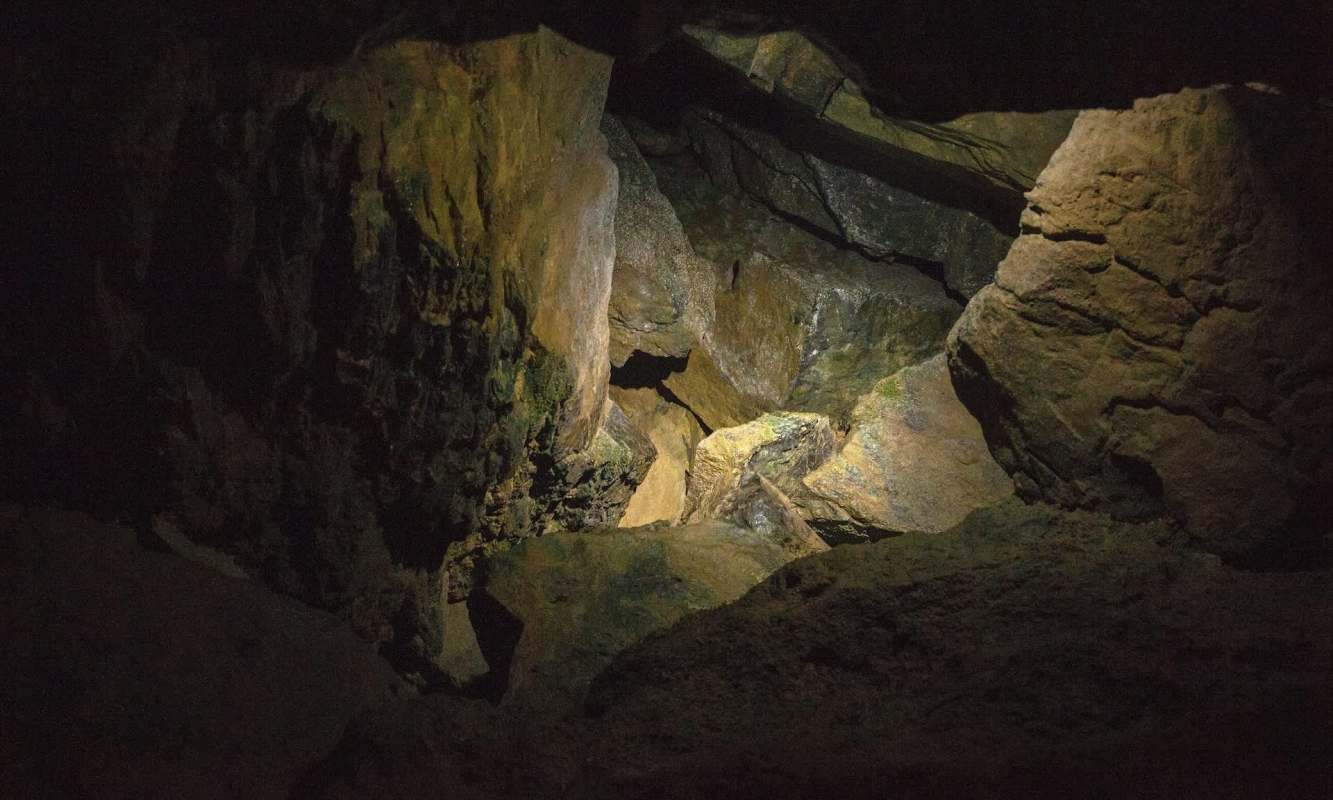
In Hohle Fels cave in southern Germany, archaeologists uncovered two bird figurines carved from mammoth ivory, lying about 5 feet (1.5 meters) from each other, according to Euronews.
The Smallest Ice Age Carvings Ever Found
— Ancient Content (@HistContent) July 29, 2026
Hohle Fels cave in Germany has now produced three bird carvings from 40,000 years ago. The three other Ice Age art sites nearby have yielded mammoths, cave lions and horses, but not a single bird. Researchers think each site had its own… pic.twitter.com/F0m8TYp0tH
The finds are linked to the Aurignacian culture, when early Homo sapiens occupied the region during the Upper Paleolithic.
Of the pair, one seems to show a bird settled in place, possibly on a nest, while the other represents a bird with wings extended, although its left wing had broken away.
At just 0.05 ounces (1.3 grams) and 0.03 ounces (0.7 grams), the figurines are extremely light, and the 0.8-inch (2-centimeter) example is regarded as the smallest Ice Age artwork to be found in the region.
TCD Picks » Quince Spotlight
💡These best-sellers from Quince deliver affordable, sustainable luxury for all




Hohle Fels is already well known to archaeologists. It is part of a UNESCO-listed group of six Swabian Jura caves and has yielded major finds, including early musical instruments and the roughly 41,000-year-old Venus of Hohle Fels.
"Mammoth ivory was not simply used here to create a simplified form of a bird's body," said Nicholas Conard, an archaeologist at the University of Tübingen and head of the excavations. "Detailed observations of nature were translated into figurines whose richness of detail even allows us to investigate which bird species is depicted and what it is doing."
Why does it matter?
Finds like these help researchers understand not only what early humans were capable of creating, but also how they saw the world around them.
These carvings were not rough symbols. Instead, they appear to capture posture, movement, and possibly even behavior, suggesting that people were paying close attention to birds in their environment.
Archaeologists are still debating whether the animals were ptarmigan or larger forest birds like capercaillie. The sculptures point to a sophisticated blend of observation, craftsmanship, and imagination.
Discoveries from sites like Hohle Fels shape how museums teach human history, how researchers trace the roots of art, and how the public understands the relationship between people and the natural world.
They also show why protected heritage sites are worth preserving. Once a fragile object or cave layer is damaged, information about humanity's deep past can be lost for good.
What's being done?
The cave and its surrounding archaeological landscape have already added protection through UNESCO recognition, and excavations continue to reveal new pieces of the story, filling in the gaps to better understand early European art.
Researchers are using features such as overall form, stance, and plumage carving to narrow down which birds are shown. The figurines will remain on display at the Museum of Prehistory and Ice Age Art in Blaubeuren until April 4, 2027.

Get TCD's free newsletters for easy tips, smart advice, and a chance to earn $5,000 toward home upgrades. To see more stories like this one, change your Google preferences here.