


A magnet may not be the first tool that comes to mind for cleaning up polluted water. However, researchers in Germany say specially designed magnetic nanoparticles can remove a wide range of PFAS, or "forever chemicals," from contaminated samples, including drinking water.
For a pollution problem known for being incredibly stubborn, the findings stand out.
What happened?
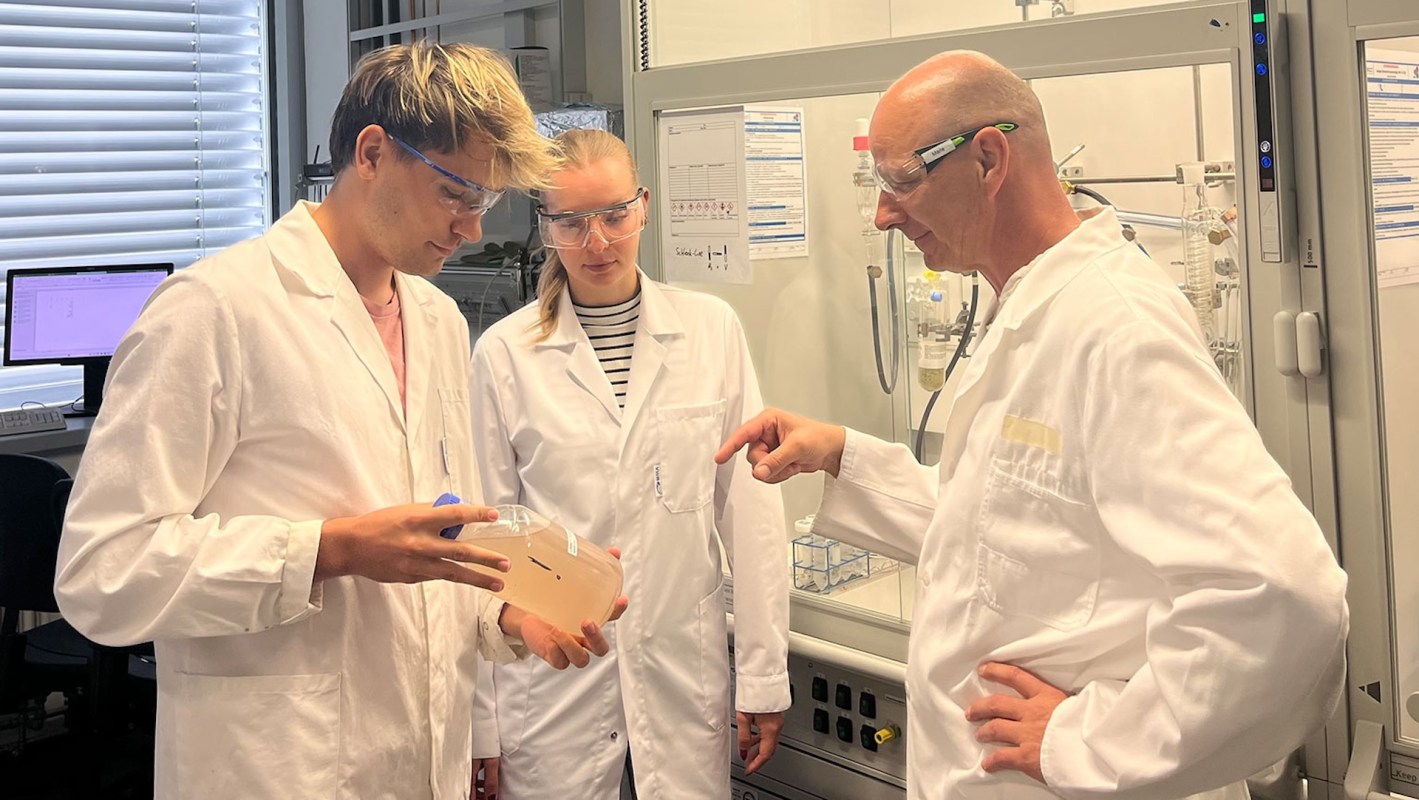
Working with Uniklinikum Erlangen and the Bavarian Health and Food Safety Authority, a team headed by Marcus Halik created iron oxide nanoparticles that bind per- and polyfluoroalkyl substances and then can be extracted from water with a magnet.
According to the Friedrich-Alexander University of Erlangen-Nuremberg, researchers Johannes Voß and Linda Rockmann engineered the nanoparticle surfaces to capture many members of the PFAS family. That distinction matters because PFAS are a large and highly varied class of compounds, not a single chemical.
To show the method could handle more than lab-prepared water, the team used it on river water, wash water from outdoor textiles, soil-remediation wash water, and a contaminated drinking water supply. In that last case, PFAS levels dropped by 87%, bringing the sample below Germany's new limit of about 100 nanograms per liter. The researchers also showed that magnetic separation could remove microplastics that contain fluorine.
Why does it matter?
PFAS became common in consumer and industrial products in part because they are so durable. Those same properties make them a major environmental headache since they persist in nature, build up in living things, and are difficult to remove from water.
TCD Picks » Quince Spotlight
💡These best-sellers from Quince deliver affordable, sustainable luxury for all




The issue also extends to fluorinated microplastics. These particles can be released when clothing is washed and also can be found in some cosmetics, tying the problem to everyday routines as well as industrial use.
Another notable point is that the technique was tested in complicated samples rather than only under lab conditions. Water from rivers or laundry systems can contain many substances and organisms that make cleanup hard.
What's being done?
Researchers say the system's performance depends on the chemistry of the particle surfaces. Changing how the iron oxide nanoparticles are functionalized alters their properties, and the version used in this study removed a broad mix of PFAS even from complex samples.
The team also said other iron oxide particles studied by Halik's group can be regenerated after magnetic separation and reused multiple times. If the method is used for large-scale water treatment, that could make it practical and reduce waste.
Researchers described the particles as nontoxic and suitable for scaling. They also said the work extended magnetic water purification beyond individual PFAS molecules to the removal of fluorinated microplastic particles.
"Our technology bridges the gap from molecular pollutants to microscopic particles and underscores the potential of functionalized iron oxide nanoparticles as a versatile and sustainable platform for water treatment, even for samples contaminated with a complex mixture of pollutants," Halik said.

Get TCD's free newsletters for easy tips, smart advice, and a chance to earn $5,000 toward home upgrades. To see more stories like this one, change your Google preferences here.






