


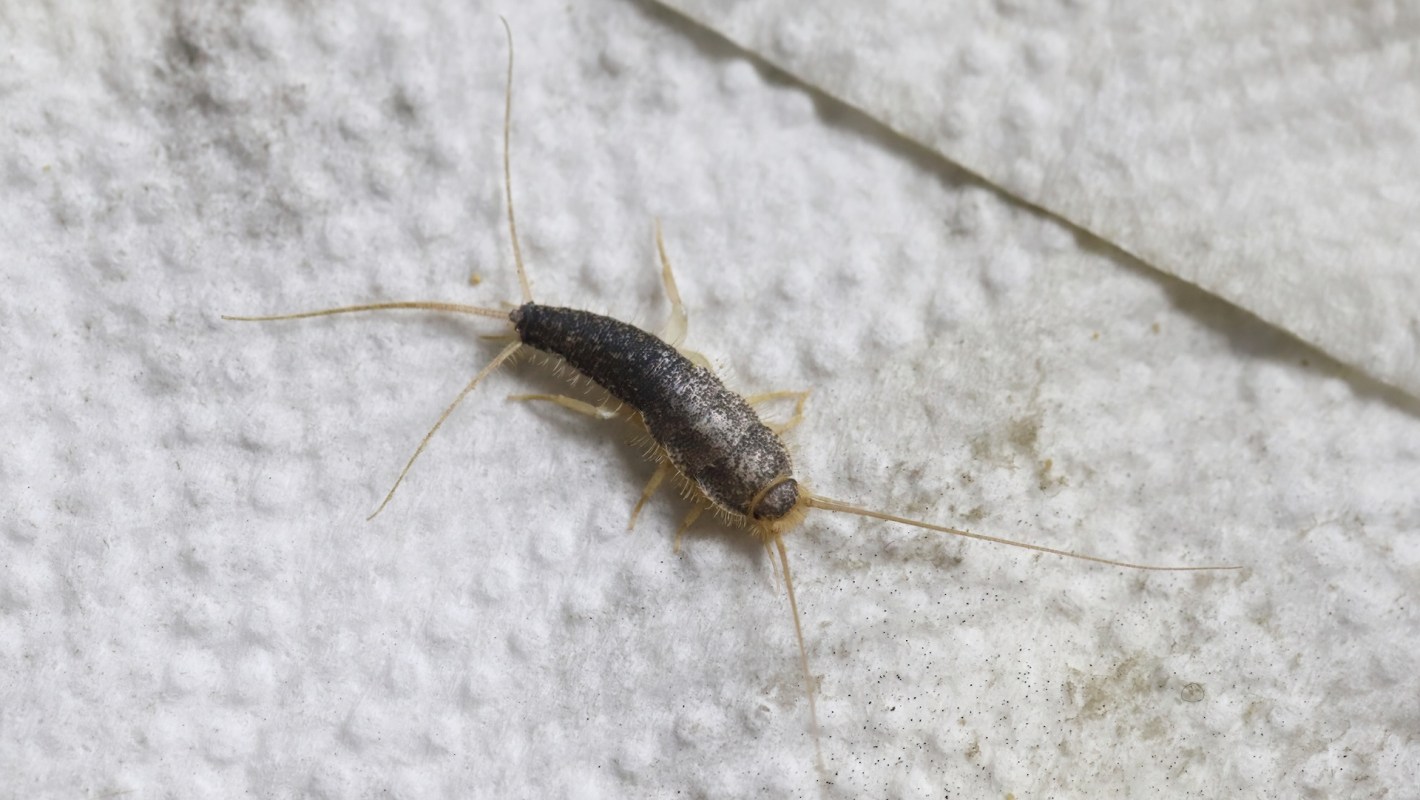
A library in Luxembourg is keeping watch for a small pest that could cause outsized damage.
What's happening?
Paper silverfish are insects known for eating paper and hiding in cardboard. The Luxembourg National Library, or BNL, began tracking them in 2024 to help protect books, archives, and other paper-based materials.
According to the Luxembourg Times, Christine Kremer of the BNL press office said, "The BNL has been monitoring silverfish using small sticky traps with poison gel in all storage areas as well as in the administrative wing."
Early findings suggest the insects are present only in small numbers. The BNL's "monitoring covers 113 rooms and has revealed a low double-digit number of silverfish," Kremer added.
Conservation experts are paying close attention to the way the insects move from place to place.
Specialist magazine Conserva, published by the Association of German Conservators, stated, "The most commonly spread insect pest at present is the silverfish, which is transported from house to house in cardboard boxes or other packaging materials."
TCD Picks » Quince Spotlight
💡These best-sellers from Quince deliver affordable, sustainable luxury for all




That warning carries weight because cardboard remains a routine part of modern shipping, especially with online shopping and home delivery popular.
Why does it matter?
Common silverfish are usually treated as a nuisance, while paper silverfish are regarded as damaging pests. They can harm books, documents, and archives, which is frustrating since libraries and museums want to preserve those things for future generations.
When public institutions have to spend more time and money monitoring infestations, quarantining donations, and replacing storage systems, it can slow efforts to protect accessible knowledge and cultural heritage.
Damage to collections does not affect only librarians and conservators; it also affects the communities that rely on those materials for research, education, and public memory.
The risk can be easy to miss in private spaces because paper silverfish look very similar to the common silverfish many people already know from their homes.
As Alexander Weigand of the Luxembourg National Museum of Natural History explained to the Luxembourg Times, "A layman is unlikely to spot the difference."
That means infestations could spread quietly through boxes, closets, basements, and storage rooms before people realize what they are dealing with.
What's being done?
To reduce the chances of an infestation spreading, the National Library has changed how materials are handled inside the building.
Kremer said, "Deliveries are distributed within the building without their cardboard packaging."
She also noted that donated materials are placed into quarantine and that plastic boxes are now used instead of cardboard for in-house transport and temporary storage.

Get TCD's free newsletters for easy tips, smart advice, and a chance to earn $5,000 toward home upgrades. To see more stories like this one, change your Google preferences here.






