


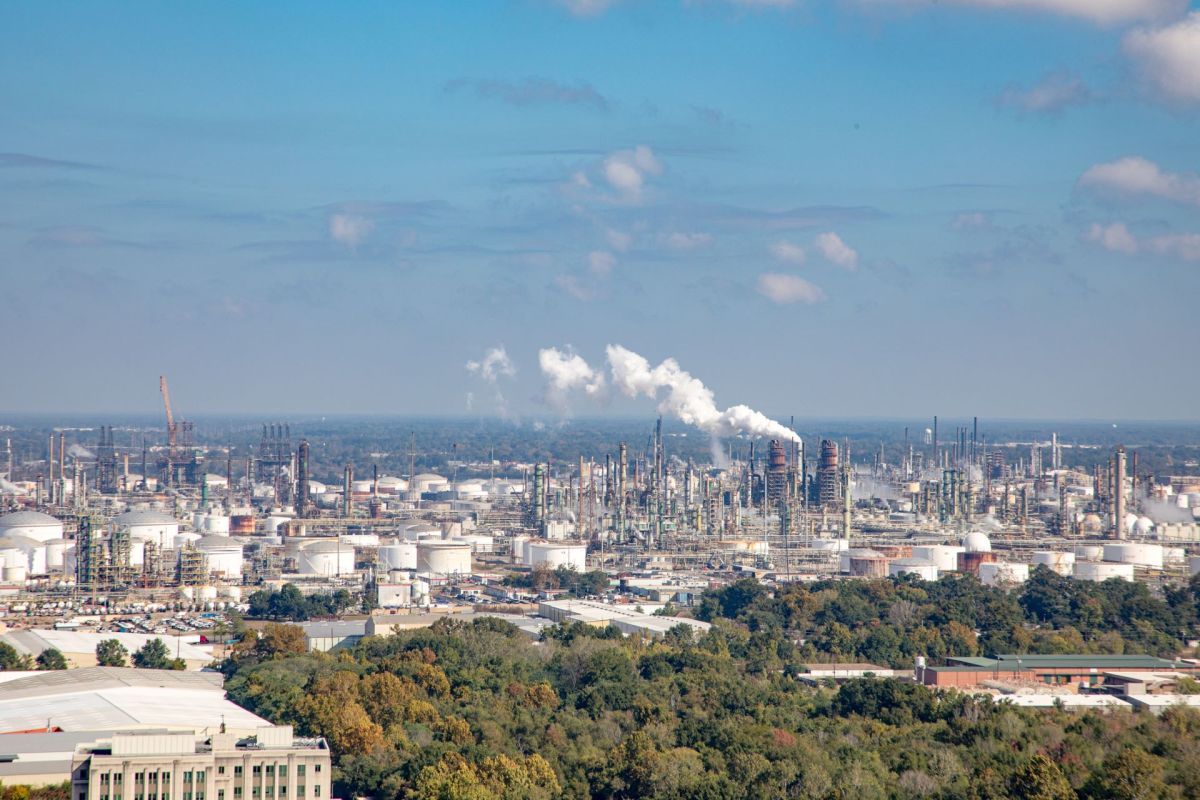
Residents near factories sometimes rely on inexpensive air sensors of their own when official monitors are too few or not close enough to major industrial facilities.
New laws in Louisiana, Ohio, and Kentucky, however, limit how much that locally gathered information can matter in requests for regulatory enforcement, according to Floodlight.
Here's what to know
Lawmakers in Louisiana, Ohio, and Kentucky started enacting closely aligned bills in 2024 with support from chemical and manufacturing trade associations.
Under those measures, enforcement cases cannot be based on air readings unless they come from monitors built to EPA-approved standards, devices that can run into the tens of thousands of dollars.
West Virginia has seen similar proposals, but none have been enacted.
Federal grants for the system have dropped by more than 35%, after adjusting for inflation, and the number of government air monitors across the country has been cut by nearly half. That reduction formed the backdrop for these new laws.
TCD Picks » Quince Spotlight
💡These best-sellers from Quince deliver affordable, sustainable luxury for all




Monitoring for toxic pollutants has thinned even further, with networks measuring vinyl chloride, chloroprene, and benzene each declining by more than half from 2004 to 2025.
Chet Wayland, a former longtime leader of the EPA's Air Quality Assessment Division, acknowledged that the network was "showing its age" and "getting smaller over time," Floodlight reported.
Nearly 60% of U.S. counties have no public air monitor at all, according to a 2025 study co-authored by Penn State assistant professor Nelson Roque.
More background
The people most affected are often those already living alongside major industrial operations.
Floodlight found that 71 of the 100 largest industrial polluters it reviewed across Kentucky, Louisiana, Ohio, and West Virginia released, as their top chemical, a substance no government air monitor in that state measures.
Kentucky approved House Bill 137 in March 2025, after Louisiana passed the Community Air Monitoring Reliability Act, and Ohio adopted a comparable limit through its budget bill.
Under Kentucky's law, air testing must use "scientifically defensible" methods.
"When we take away the ability for those folks to have a reasonably priced monitor … for their own protection, we've just taken any tool they had right out of their hands," said Miranda Leppla, a lawyer who sued Ohio over its new rule on behalf of environmental groups, per Floodlight.
Donna Ballinger, who lives near a steel plant in Middletown, Ohio, told Floodlight what she worried about most.
"My fear is cancer," she admitted.
What's being done?
The Environmental Integrity Project says that once the EPA required refineries in 2018 to track benzene at their fencelines, the number above the agency's benzene action level fell by half within five years.
In California, residents of fenceline communities have received funding for monitoring equipment and training, and the state set aside $1.4 billion between 2017 and 2025 for communities that have long carried heavy pollution burdens.
Colorado now requires four industrial plants to conduct real-time fenceline monitoring.
In Texas, the Commission on Environmental Quality and its contractors run 33 automated gas chromatographs that deliver near-real-time measurements of volatile organic compounds.
A court challenge is pending against Ohio's law, while community organizations in places including Louisiana continue pressing for stronger local air data despite funding setbacks.
Reonda Victor, in Louisiana's industrial corridor, told Floodlight, "Without information, we don't know."
Where can I learn more?
Questions about who can document pollution — and what regulators can do with that evidence — reach beyond Louisiana, Ohio, and Kentucky.
Elsewhere, lawmakers and major companies are also trying to shape when air violations lead to penalties and when enforcement gets tougher.
• In Kentucky, lawmakers advanced limits on air pollution penalties for self-reporting polluters in 2024.
• In Detroit, Stellantis pursued a workaround to avoid state particulate emissions rules the same year.
• In Delaware last year, lawmakers approved major restrictions for big corporations by expanding pollution fines.
Community health protections hinge on air monitoring and on whether governments are willing to act when pollution is found.

Get TCD's free newsletters for easy tips, smart advice, and a chance to earn $5,000 toward home upgrades. To see more stories like this one, change your Google preferences here.






