


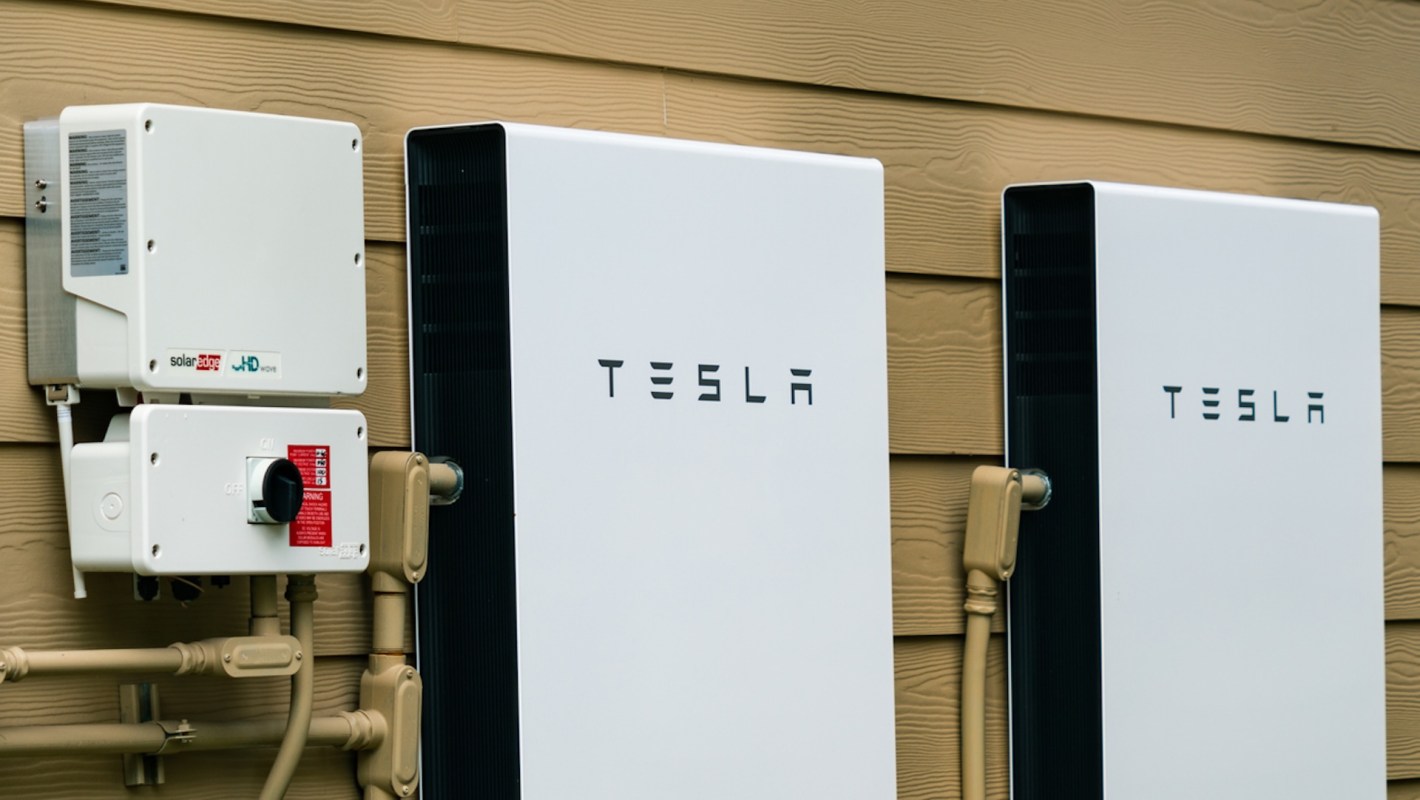
After one Los Angeles homeowner shared how their Tesla Solar's output was unexpectedly low, they took to the internet to ask for help.
Nearly immediately, others suggested the issue might be more serious than an ordinary seasonal dip.
Here's what to know
In a post to Reddit's r/TeslaSolar community, the original poster wrote, "I have an 8.61kW system with one Powerwall. Installed last December. Just got PTO [permission to operate] in August. I had better production in May than I do now. I'm in sunny Los Angeles. What could be the problem?"
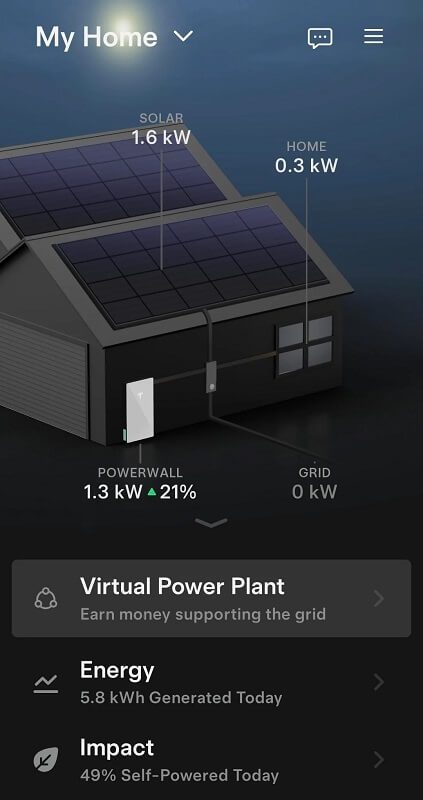
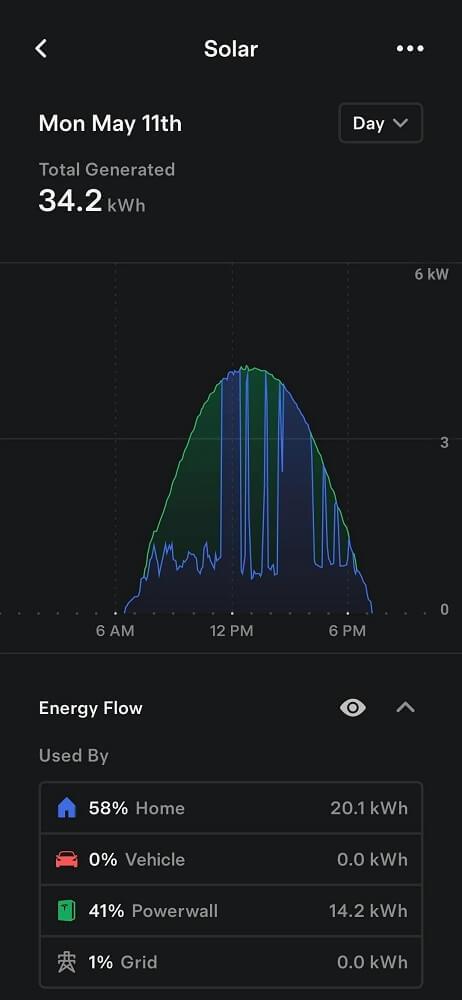
The OP added, "My Powerwall hasn't charged to 100% since last month and it always used to get full during the day and then drain to 20% when I charged my car and at night."
Commenters quickly suggested something major was amiss.
One wrote, "I have a 7.9kw system, and I'm getting around 6kw during peak hours now. Looking at the generated graph it looks like you're at less than 2kw. I'd be more concerned about that than your Powerwall not filling up."
Another added, "It could be a monitoring or metering issue: the solar may be producing normally, but the Tesla app may not be capturing all of the generation or export."
Not every commenter agreed that something disastrous was going on, though.
Save $10,000 on solar panels without even sharing your phone number Want to go solar but not sure who to trust? EnergySage has your back with free and transparent quotes from fully vetted providers that can help you save as much as $10k on installation. To get started, just answer a few questions about your home — no phone number required. Within a day or two, EnergySage will email you the best local options for your needs, and their expert advisers can help you compare quotes and pick a winner. |

One user wrote, "Sun's angle [is] changing right now and gonna get worse as in less solar production — it's normal."
Judging solar output by comparing one month with another is not always straightforward. Weather, daylight length, panel angle, and home energy use can all affect the numbers, so a decline after May does not automatically mean something is wrong.
Even so, one commenter said the May chart still did not look like a case of normal curtailment after the battery filled.
One commenter ultimately concluded, "Your system is not producing as much as it should (true in May, even more so now), so your installer will have to investigate."
More From EnergySage
💡Go deep on the latest news and trends shaping the residential solar landscape


What can be done?
Underperforming solar can chip away at the financial return homeowners expect. If panels produce less than they should, the battery charges more slowly, the home may draw more electricity from the grid, and savings on utility bills can shrink.
Suggestions in the thread focused on determining whether the trouble involved actual production, bad monitoring, or a lost section of the array. And better diagnostics can help determine whether the lower output is normal or a sign of a larger problem.
Homeowners interested in going solar can check out EnergySage to get free solar installation estimates and compare quotes. Its free services can also make the buying process much easier to navigate. With EnergySage's help, the average person can save up to $10,000 on solar purchases and installations.
And homeowners interested in backup power can also explore EnergySage for information about home battery storage options, including competitive installation estimates.
Where can I learn more?
Questions about weak solar production often lead homeowners to bigger issues, from battery performance to panel upkeep to the savings a system is supposed to deliver. These stories look at how people have improved output and gotten more from storage.
• In Ohio, a retired engineer's negative energy bills showed how a tuned system can excel.
• Pairing rooftop solar with battery storage at home can strengthen backup power and cut bills.
• One homeowner found that cleaning dusty solar panels restored output that had quietly slipped.
Those articles underscore that any major production drop is worth checking out. They also show how maintenance, battery storage, and timing can all affect whether a solar investment pays off as expected.

Get TCD's free newsletters for easy tips, smart advice, and a chance to earn $5,000 toward home upgrades. To see more stories like this one, change your Google preferences here.






