


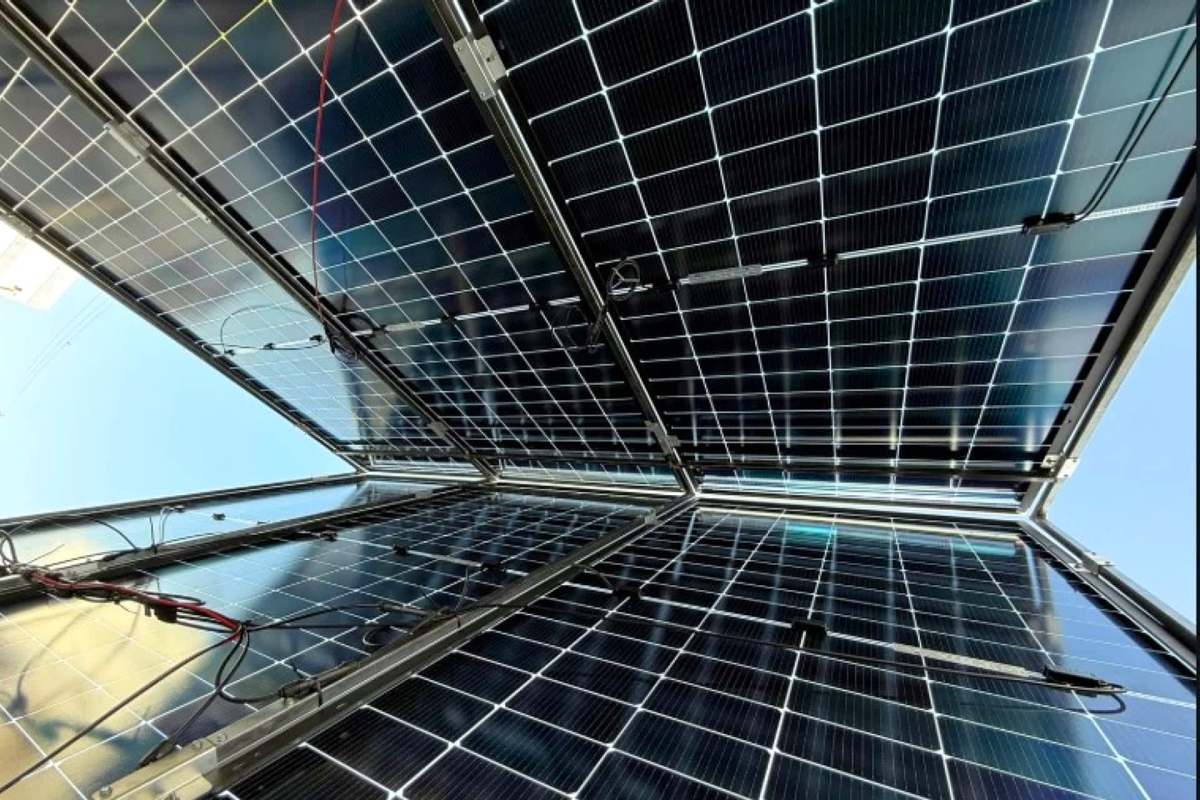
A tight backyard or side yard does not have to rule out solar. One Los Angeles homeowner is drawing attention for a clever setup that uses steeply mounted bifacial panels — and bright white walls — to squeeze more solar energy out of a small outdoor space.
It is a useful reminder that smart design can matter just as much as ideal conditions.
Here's what to know
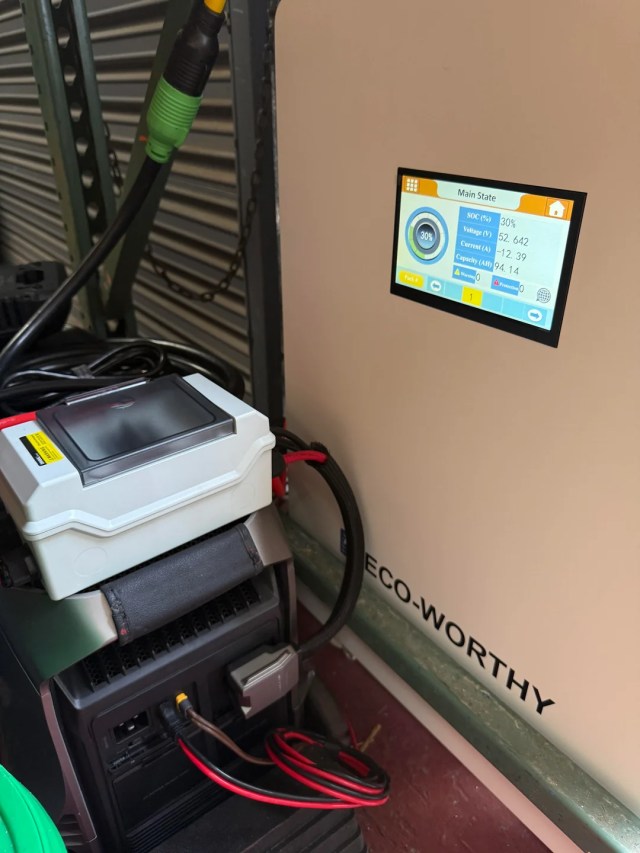
According to the Reddit post, the setup includes a Delta Pro 3, an Ecoworthy 16-kilowatt-hour battery, and six 580-watt bifacial panels for roughly 3.5 kilowatts of generating capacity.
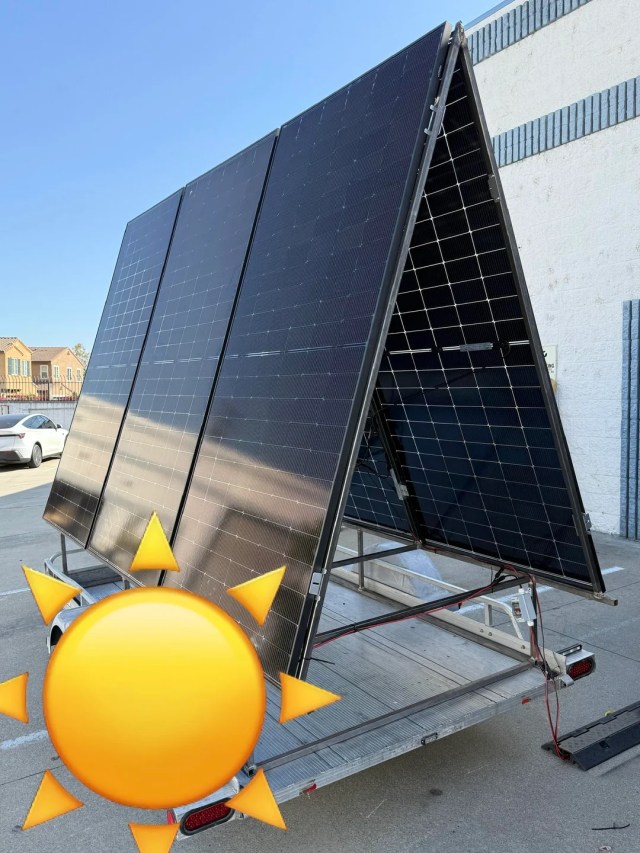
The homeowner explained in the r/SolarDIY community that limited space pushed them toward a 70-degree tilt. The user explained they estimate the setup produces about 18% less than a normal 35-degree arrangement but saves on space significantly.
The arrangement uses bifacial panels, which can capture light on both sides.
Going solar is one of the best ways to save money on home energy, and this homeowner is proving you don't always need a ton of space to see the benefits of a clean energy upgrade.
If you're curious about what solar panel system could work on your property, check out EnergySage to get quick solar installation estimates and compare quotes from vetted installers.
More background
Reflected light is where bifacial panels can have an edge. In this installation, the white walls around the system seem to be bouncing extra sunlight onto the back of the panels, which helps the compact setup perform better than its awkward placement might otherwise allow.
Save $10,000 on solar panels without even sharing your phone number Want to go solar but not sure who to trust? EnergySage has your back with free and transparent quotes from fully vetted providers that can help you save as much as $10k on installation. To get started, just answer a few questions about your home — no phone number required. Within a day or two, EnergySage will email you the best local options for your needs, and their expert advisers can help you compare quotes and pick a winner. |

Many homeowners assume solar only works if they have a large roof, a perfect angle, and full sun exposure throughout the day. This setup shows that meaningful generation can still be possible in constrained urban spaces with thoughtful planning.
Lower electric bills and more flexibility during hot weather, when power use tends to spike, are two potential benefits. Solar paired with battery storage can also reduce reliance on dirty backup power sources, helping cut air pollution while keeping key appliances running.
What can be done?
For people with awkward roofs, narrow side yards, or other layout challenges, the best first step is usually a professional assessment. Panel type, tilt, shade, wall color, and storage options can all affect whether a system makes financial sense.
EnergySage's free services can help take some of the guesswork out of that process. With EnergySage's help, the average person can save up to $10,000 on solar purchases and installations.
More From EnergySage
💡Go deep on the latest news and trends shaping the residential solar landscape

Meanwhile, EnergySage's solar map shows the average cost of a home solar panel system on a state-by-state level, along with details on solar panel incentives for each state. Together, those resources can help readers get the best price for rooftop solar panels and access available incentives.
Adding battery storage to a solar setup is one of the best ways to protect your home during outages, save money on energy, and go off grid. It can also store excess daytime power for use after sunset or during periods of high utility rates. Readers can explore EnergySage for information about home battery storage options, including competitive installation estimates.

Get TCD's free newsletters for easy tips, smart advice, and a chance to earn $5,000 toward home upgrades. To see more stories like this one, change your Google preferences here.






