


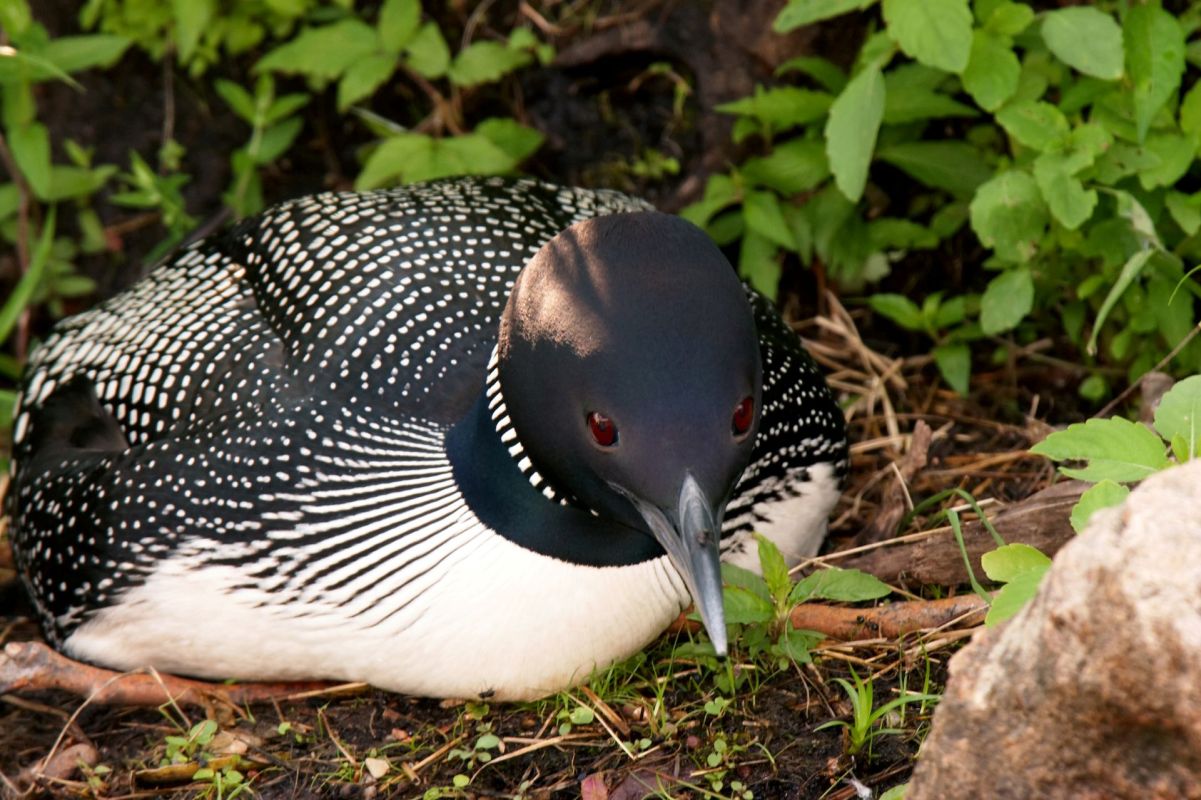
New Hampshire's loon comeback has been one of the state's most successful conservation stories.
But scientists have observed a troubling pattern in loon eggs casting a shadow over that progress — and raising broader concerns about the lakes and fish that communities depend on.
What's happening?
A first round of testing in 2023 revealed unusually high levels of PFAS, also called "forever chemicals," in non-viable loon eggs.
Follow-up sampling indicated the problem was far broader in scope than researchers initially believed.
According to Tiffany Grade, a biologist with the Loon Preservation Committee, ongoing research continues to expand the list of New Hampshire waters where known contaminants have been detected.
In its 2023 study, the committee analyzed 144 loon eggs and found PFAS contamination, with PFOS appearing most prominently, the Monadnock Ledger-Transcript reported.
TCD Picks » Quince Spotlight
💡These best-sellers from Quince deliver affordable, sustainable luxury for all




The samples also included PCBs, the pesticide DDT, dioxins and furans, and BDE.
Readings differed sharply from lake to lake. Lake Winnipesaukee was among those with the highest concentrations, and about 26% of the eggs contained PFOS at levels associated with adverse effects in other bird species.
Scientists look to loon eggs in their research because they reflect the pollutant burden carried by a female loon, offering a picture of a mother's health for four to six weeks before laying.
"What's been surprising to us in the course of this work is, you know, just how many lakes we find, and where we find them, with these elevated levels of contaminants," Grade said.
Why does it matter?
Loons' long lifespans and top position on the food chain make them particularly prone to accumulating toxins over time.
That slow buildup is why researchers view them as a valuable indicator of watershed health.
If chemicals are accumulating in aquatic food webs, that can have implications for fish, other wildlife, and the people who boat, swim, and fish in these lakes.
Summer counts showed the population inching upward, with 862 loons recorded last year, an increase from 844 in 2024. Nevertheless, scientists warned that their slow recovery was in jeopardy as contaminants and a changing climate remained as ongoing threats.
What's being done?
Researchers said that identifying the sources of the pollution was critical.
That includes closer scrutiny around the former Pak 2000 packaging plant — a Superfund site and source of PFAS — to determine whether it is contaminating nearby ecosystems.
Researchers also called for more fish testing in lakes with elevated PFAS levels. Those samples could shed light on how pollutants are moving through the food web and how they could affect other species, including humans.
For now, continued monitoring remains a key tool. The use of nonviable eggs allows scientists to keep building a clearer statewide picture without harming the loon population.
"The more eggs we test, the more we get concerned about both the health of loons throughout the state as well as the health of our aquatic ecosystems," Grade said.

Get TCD's free newsletters for easy tips, smart advice, and a chance to earn $5,000 toward home upgrades. To see more stories like this one, change your Google preferences here.






