


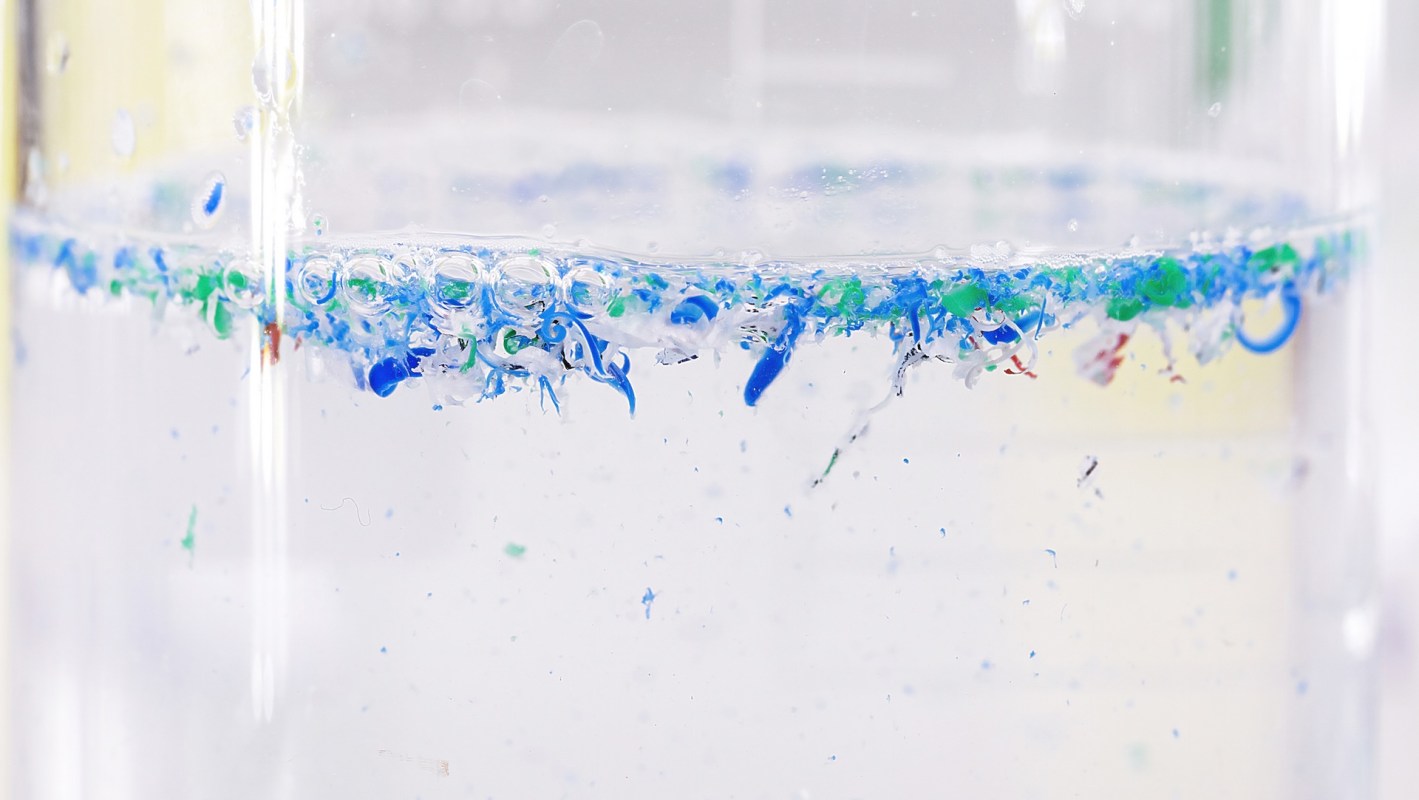
A new "living plastic" may point to a possible answer for a stubborn waste problem: disposable materials that outlast their usefulness by centuries.
In experiments, researchers made a version that fully degraded in six days without creating microplastics.
What's happening?
In the study, published in ACS Applied Polymer Materials, scientists combined engineered Bacillus subtilis spores with polycaprolactone, a material used in some 3D-printing applications and surgical sutures, reported ScienceDaily.
Those microbes remain dormant until activated, allowing the plastic to stay intact until researchers decide it is time for the material to break down. The activation step involved adding a warm nutrient broth heated to 122 degrees Fahrenheit.
Once switched on, the microbes produced two cooperating enzymes: one sliced long polymer chains into smaller pieces, and the other reduced those fragments to their most basic building blocks. The researchers identified that two-step action as the main improvement.
Earlier versions of living plastics often relied on just one enzyme, which made full degradation harder to achieve. Using that sequence, the material decomposed completely within six days. The researchers said the step-by-step enzyme process kept microplastics from forming along the way.
TCD Picks » Quince Spotlight
💡These best-sellers from Quince deliver affordable, sustainable luxury for all




To test the real-world capabilities of the short-lived plastic, the team used the material to make a wearable plastic electrode. It performed as intended and then broke down completely within two weeks after activation.
Why does it matter?
Much of plastic waste comes from products that are useful only briefly but remain in landfills, waterways, and ecosystems for decades or longer. A material that stays durable when needed and can then be made to disappear could help reduce waste at its source.
Concern is growing over microplastics, which have turned up in water, food, and even human bodies. If a plastic breaks down into basic components instead of shedding tiny fragments, it could reduce one path for that contamination.
If disposable packaging, medical products, or short-term electronics can degrade more cleanly, communities could face lower cleanup costs and less expensive waste management over time.
It could also make life easier for consumers by reducing the buildup of everyday products that turn into long-lasting trash. For readers looking to reduce plastic use right now, check out the TCD Guide's page on choosing plastic-free options for everyday products for more tips and discussion from other readers.
What's being done?
For now, the technology remains in the research stage, but the early results are promising: the living plastic showed mechanical behavior comparable to standard polycaprolactone films. The researchers now want to make the system work in water, a major place where plastic pollution accumulates. They also believe the approach could be adapted for additional plastics used in disposable products.
If the approach can be scaled, it could open the door to better-designed packaging, temporary medical tools, and wearable devices that perform reliably and then vanish when their job is done.
Scientists around the world are also exploring other smarter materials and waste-cutting solutions, from recyclable batteries to alternatives to petroleum-based packaging. This living-plastic approach fits into that larger trend by designing products with their full life cycle in mind instead of treating disposal as an afterthought.
As Zhuojun Dai, a corresponding author on the paper, put it: "The realization that traditional plastics persist for centuries, while many applications, like packaging, are short-lived, led us to ask: Could we build degradation directly into the material's life cycle?"
Dai added, "By embedding these microbes, plastics could effectively 'come alive' and self-destruct on command, turning durability from a problem into a programmable feature."

Get TCD's free newsletters for easy tips, smart advice, and a chance to earn $5,000 toward home upgrades. To see more stories like this one, change your Google preferences here.






