


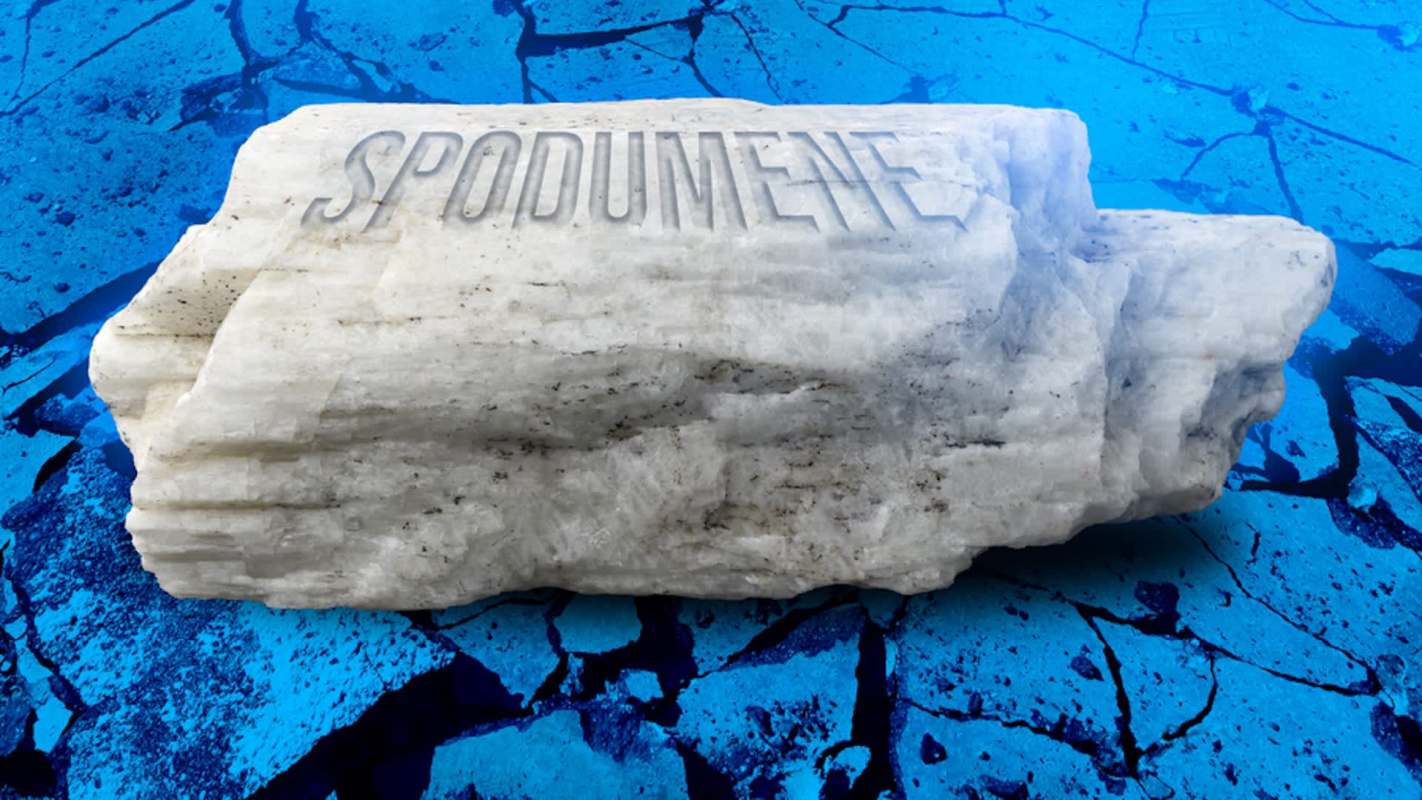
MIT researchers say they may have found a simpler route to lithium from hard rock: a process that runs at or near room temperature and is projected to cut costs by about half.
That could be a major development for everything from electric vehicles to home battery systems, which rely on lithium to store power affordably and reliably.
What happened?
Spodumene, a major hard-rock source of lithium, is at the center of the new method, PV Magazine reported.
The researchers used water and ammonium fluoride to break down the ore, avoiding the usual roasting step above 1,000 degrees Celsius (1,832 degrees Fahrenheit) and recovering aluminum and silica as useful co-products.
The work, published in Science, was tested on 17 spodumene sources. At lab scale, the solvent and reagent could be recovered and reused in a closed loop, with waste nearing zero under those conditions.
Camden Hunt, a former project manager at MIT's Center for Electrification and Decarbonization of Industry and co-author of the paper, emphasized the urgency of the challenge.
"By 2040, we need to quadruple production of lithium globally, which amounts to hundreds of new lithium producing assets," Hunt said, per PV Magazine.
Why does it matter?
Already, adding battery storage to a solar setup is one of the best ways to slash energy costs, protect your home from power outages, and even gain energy independence by going off-grid. EnergySage's free tools can connect you with competitive installation estimates for both home battery storage solutions and solar panels, helping the average person save up to $10,000 on solar installations and snag state-specific incentives.
Save $10,000 on solar panels without even sharing your phone number Want to go solar but not sure who to trust? EnergySage has your back with free and transparent quotes from fully vetted providers that can help you save as much as $10k on installation. To get started, just answer a few questions about your home — no phone number required. Within a day or two, EnergySage will email you the best local options for your needs, and their expert advisers can help you compare quotes and pick a winner. |

Lithium demand is expected to rise sharply as more EVs, grid storage projects, and home backup batteries come online. If this process can be scaled commercially, it could reduce the cost and energy burden of producing one of the world's most important battery materials.
Because current hard-rock extraction consumes so much energy and creates so much waste, an alternative could have wide effects. Producing lithium at room temperature while also generating usable aluminum and silica could lower costs across the supply chain and make battery production more resilient.
Commercialization is already underway through Rock Zero, a spinout launched by the MIT team, though the process has not yet been proved at battery-industry scale.
What are people saying?
Hunt stressed the broader opportunity for domestic supply chains, telling PV Magazine, "Hard rock is abundant; you can find it everywhere."
More From EnergySage
💡Go deep on the latest news and trends shaping the residential solar landscape



He added, "If you can find an easier way to crack the rock, get lithium out, and make battery-grade lithium salts, you can change the lithium market."
Yet-Ming Chiang, a materials science and engineering professor and a co-author, said, "We believe this approach is the lowest-energy, lowest-cost way of getting lithium not only out of hard rock but period."

Get TCD's free newsletters for easy tips, smart advice, and a chance to earn $5,000 toward home upgrades. To see more stories like this one, change your Google preferences here.






