


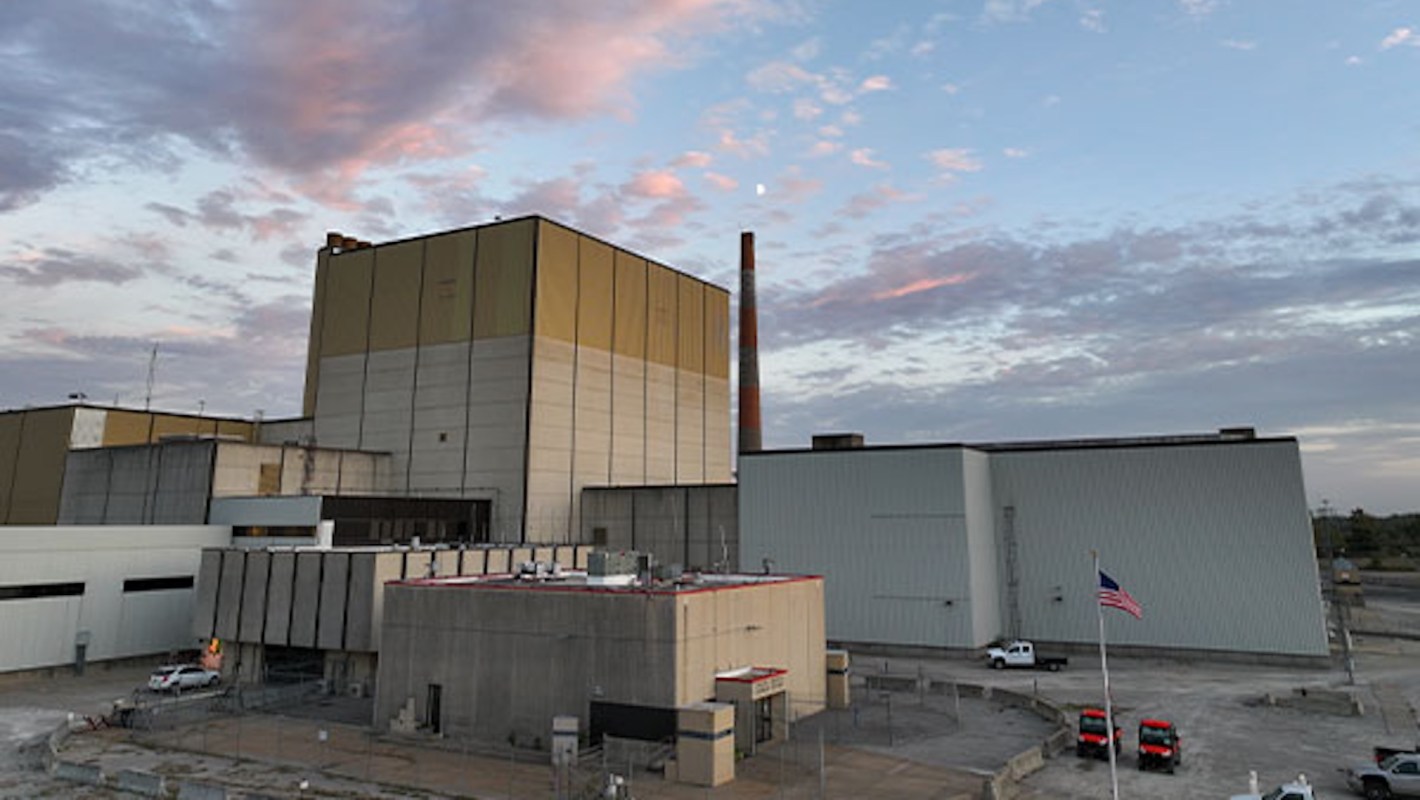
In Linn County, Iowa, an 18-month freeze on new data centers may not be as absolute as it initially seemed. County officials are now considering whether a project linked to restarting a nuclear power plant should receive special treatment before the moratorium expires.
What's happening?
Although the county barred data centers for 18 months across almost all zoning districts, leaders have continued to discuss a possible exception involving nuclear power, according to Radio Iowa, citing reporting from Iowa Public Radio reporter Eliza Billingham.
That question came before the Planning and Zoning Commission when Linn County Planning and Development Director Charlie Nichols said the county board wanted to examine whether a facility linked to bringing a nuclear plant back online should be evaluated apart from other data center proposals.
"There is a moratorium on all data centers right now, but the board wanted to ask the question, do data centers that are supporting nuclear deserve extra consideration or is it important enough to bring those forward before the moratorium ends," Nichols told the commission.
The conversation centers on one location. Iowa's only nuclear plant is the decommissioned Duane Arnold Energy Center, and Google is looking at nearby land for a new data center while also investing in restarting the plant.
Whatever direction the county takes, no immediate decision is expected because the rezoning process will likely take months.
TCD Picks » Quince Spotlight
💡These best-sellers from Quince deliver affordable, sustainable luxury for all




Why does it matter?
The debate reflects a broader question facing communities across the country: How should local governments respond to energy-intensive data centers that can bring jobs and investment while also placing heavy demands on land, water, and power systems?
A moratorium can give local officials and residents time to weigh those tradeoffs before large projects move forward. That kind of pause can help communities avoid rushed decisions over traffic, noise, infrastructure costs, and utility demand, while giving leaders a chance to create clearer rules.
At the same time, an exception tied to nuclear power could appeal to officials seeking a steady source of electricity without the planet-warming pollution associated with coal or gas. Supporters may see a data center paired with a restarted nuclear facility as a cleaner path to economic development than building additional coal or gas generation.
Still, opponents of either a freeze or a carve-out may argue that uncertainty can discourage investment and complicate planning for jobs and tax revenue. Others may view a special exception for one project as unfair if other developers remain sidelined.
What's being done?
For now, officials have left the county's broader freeze in place while examining whether a nuclear-linked proposal should fall into a separate category.
At this stage, the debate in Linn County is less about rejecting development altogether than about deciding what kind of development should move forward. As Nichols put it, "If Linn County is going to permit a data center project anywhere before this 18-month moratorium, does it make sense to permit something that is enabling the restart of a nuclear power plant?"

Get TCD's free newsletters for easy tips, smart advice, and a chance to earn $5,000 toward home upgrades. To see more stories like this one, change your Google preferences here.






