


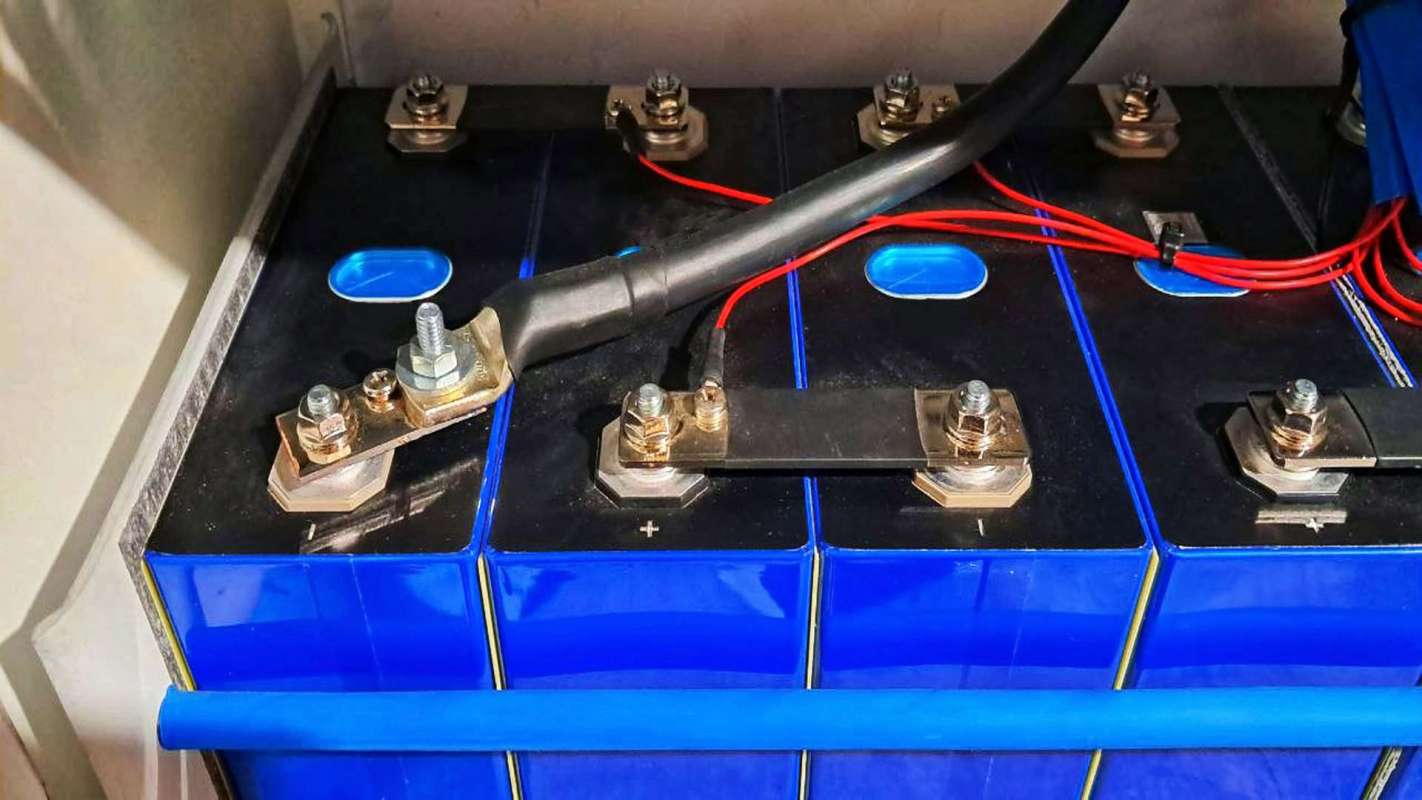
For homeowners considering a backup battery or off-grid solar setup, one reality is getting harder to ignore: The cells inside many popular lithium iron phosphate, or LiFePO4, systems are overwhelmingly made in China.
That concentration could affect everything from price and performance to how quickly improved home energy storage makes its way into U.S. garages and utility rooms.
What's happening?
For people trying to understand where their battery gear really comes from, DIY solar creator Will Prowse (@WillProwse) said in a recent YouTube video that the U.S. remains far behind China not just in battery-cell production, but in the material processing that makes those cells possible.
Among the figures he highlighted were China's roughly 80% share of global battery supply in 2025 and its leading position in major inputs such as lithium-ion phosphate cathode material and graphite anodes.
He said many buyers do not realize how wide that gap is, particularly if they hear "American-made" and assume the full supply chain is domestic.
As he put it: "People in America still think we are on par. This is telling a different story."
TCD Picks » Quince Spotlight
💡These best-sellers from Quince deliver affordable, sustainable luxury for all




To show how quickly China is expanding, he compared the U.S. adding 15 gigawatts over the prior year with China, which he said installed 65 gigawatt-hours of batteries in December 2025 and added 18 gigawatts of capacity in that same month.
Why does it matter?
LiFePO4 batteries are widely used in home backup systems, RVs, boats, and off-grid solar setups because they can store power for later use, help lower electricity bills, and keep essentials such as lights, refrigeration, Wi-Fi, and medical devices running during outages.
When one country controls most of the manufacturing and processing behind that technology, it can influence price, availability, product variety, and the pace of innovation.
It also matters for cities and utilities trying to add grid-scale batteries that can support renewable energy and improve resilience during heat waves, storms, and blackouts.
One commenter wrote, "The more Americans continue to stick their head in the sand, the worse it's going to get. We absolutely need to have this conversation. Thank you for posting. And yes, I am an American."
What can I do?
If you are buying a home battery, ask where the cells come from, what chemistry is being used, how many charge cycles the system is rated for, how it performs in cold weather, and what kind of service network stands behind the warranty.
Even when the cells are imported, strong local installation and support can still make a major difference.
Another commenter noted, "Lots of Chinese companies would have been eager to sell us factories to make this stuff in most cases. But we are burning that bridge."
Prowse's bottom line was blunt: "What matters most is who's actually making the stuff."
Another commenter wrote, "China looks at long term gains while the West looks at quarterly projections and profits."

Get TCD's free newsletters for easy tips, smart advice, and a chance to earn $5,000 toward home upgrades. To see more stories like this one, change your Google preferences here.






