


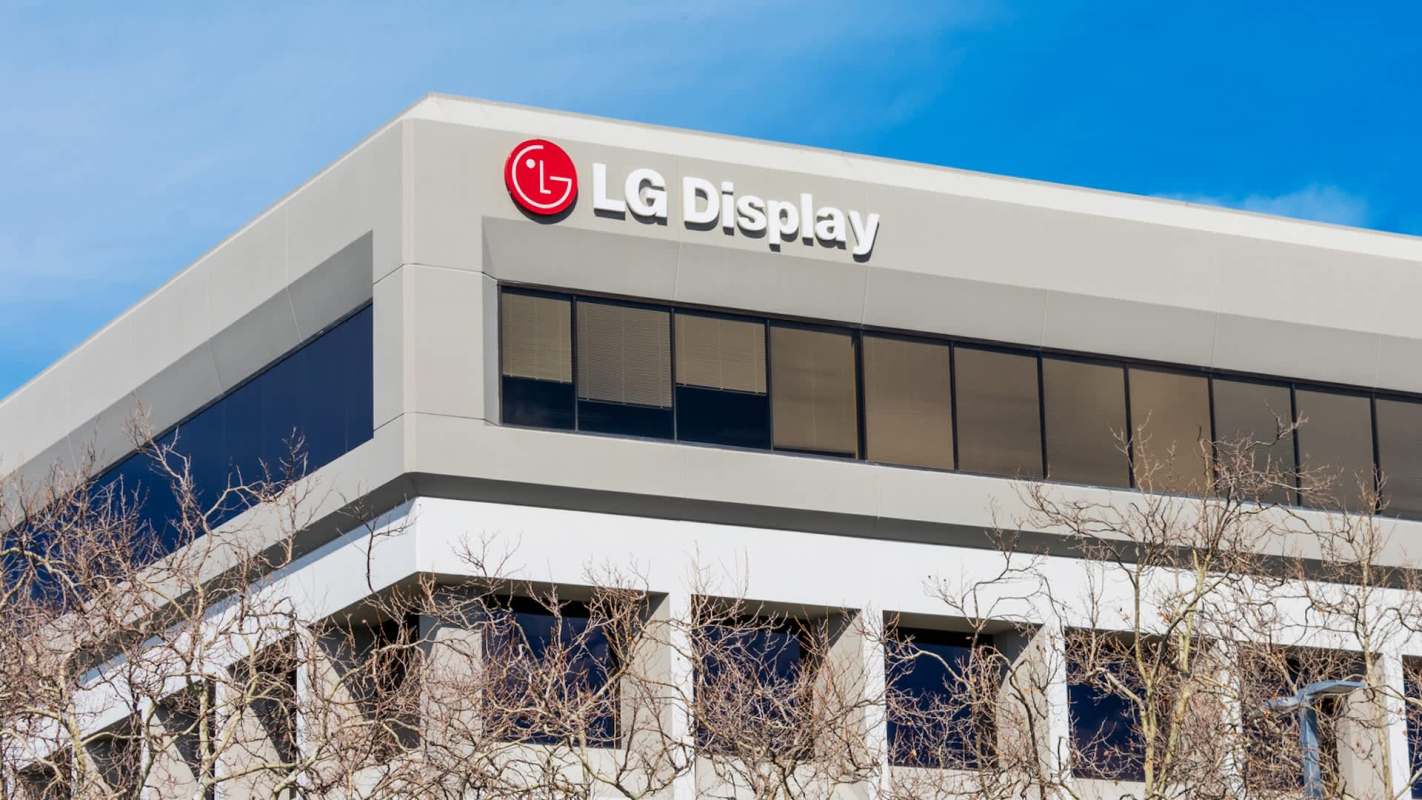
LG has come under scrutiny after recent reports indicated that the company has begun displaying advertisements on some of its customers' monitors, raising broader concerns about the growing push by tech companies to turn everyday devices into advertising platforms.
Here's what to know
According to Ars Technica, certain LG monitors drew criticism because Windows Update driver packages for them could install software on connected Windows computers.
That program, LG Monitor App Installer, was presented as a way to enable monitor-related features. The outlet reported that the program also served ads, including McAfee pop-ups and promotions for LG's own software, such as LG Switch and LG Dual Controller.
Microsoft made LG remove the McAfee promotions, Ars Technica reported. The incident nonetheless highlighted how a product as ordinary as a monitor could place ad-related software on a separate device without giving users much clear warning.
On its Microsoft Store page, the app is listed as able to "use all system resources" and "access your Internet connection."
More background
Compared with smart TVs, which have earned a reputation for targeted advertising and user tracking, monitors have generally been seen as the more privacy-conscious option.
TCD Picks » Quince Spotlight
💡These best-sellers from Quince deliver affordable, sustainable luxury for all




For anyone trying to sidestep that sort of surveillance, choosing a computer monitor instead has been one of the easiest solutions.
That escape route weakens if monitor makers adopt the same approach. What is supposed to be passive display hardware starts to resemble connected media gear instead — something that can advertise to users, go online, and possibly gather information.
The backlash also focused attention on LG's broader privacy wording, with Ars Technica saying some readers worried the app could collect data and share it with advertisers.
The shorter privacy statement linked from the app page says the software "does not collect, use, store, or share personal information."
The situation reflects a broader trust problem. When companies quietly layer ads or telemetry into products people rely on for work, school, entertainment, and communication, consumers are left trying to figure out what their own devices are doing behind the scenes.
At the company level, the fix is straightforward: Make software installs opt-in, explain exactly what each app does, and stop using hardware ownership as an excuse to push ads.
Consumers should not have to dig through app listings and vague policies to understand whether a monitor is acting like a monitor or an ad network.
An LG spokesperson said the purpose of the app is to "make related software available to help customers access monitor-specific features and functionality," Ars Technica reported.
But for many buyers, the more pressing question is whether a screen should be doing any of that at all.

Get TCD's free newsletters for easy tips, smart advice, and a chance to earn $5,000 toward home upgrades. To see more stories like this one, change your Google preferences here.






