


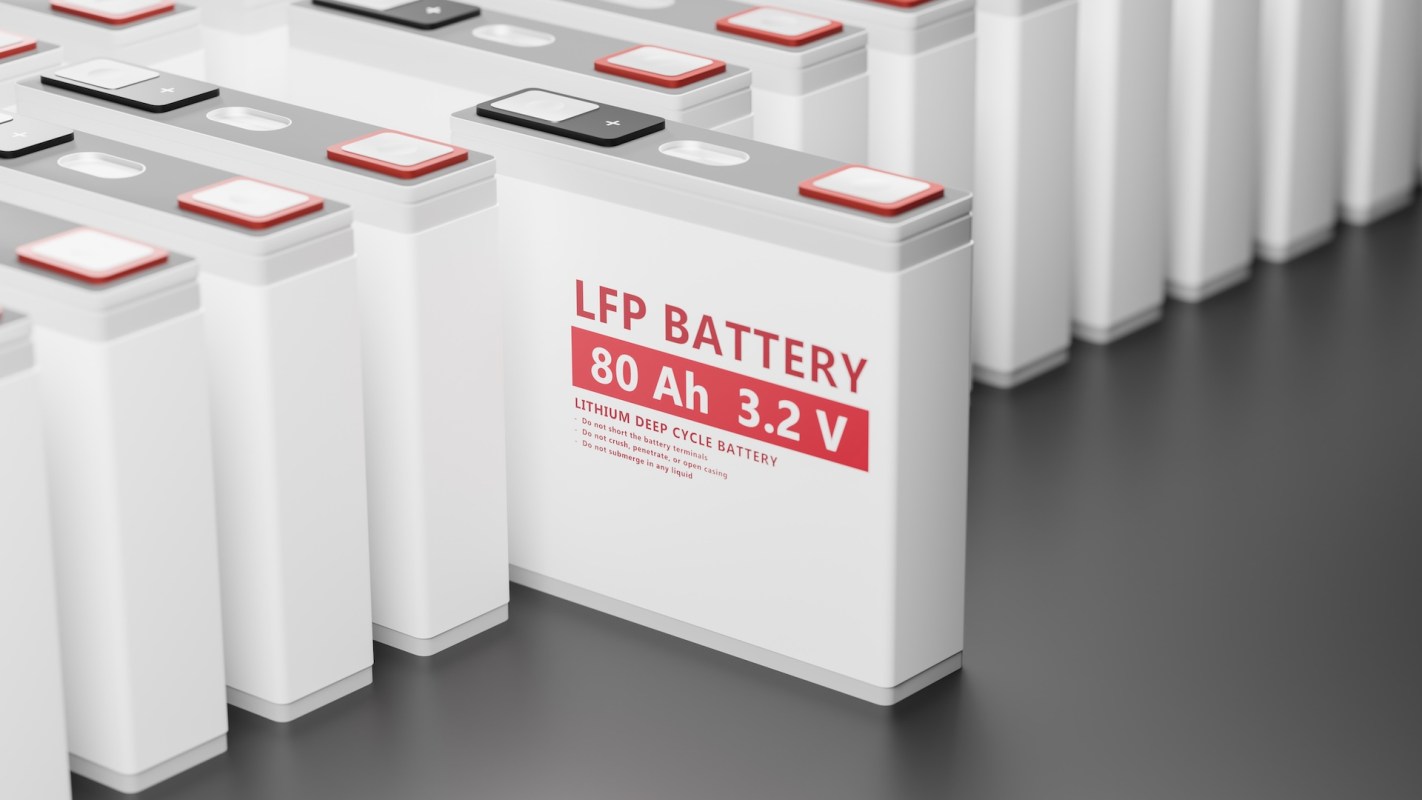
Lithium iron phosphate, or LFP, batteries have gone from a marginal option to one of the most influential chemistries in the global battery business.
As their use accelerates, recyclers are under growing pressure to prepare for a much larger stream of end-of-life packs.
For drivers, utilities, and businesses, the change could bring lower-cost electric vehicles and more dependable backup power.
It also raises a tougher question: What will happen once those batteries start wearing out in large numbers?
Here's what to know
Benchmark Mineral Intelligence estimates show how fast LFP has expanded: the chemistry made up 20% of the global lithium-based battery market in 2020, rose to 61% by 2026, and could soon reach 70%, as Resource Recycling reported.
That growth is not limited to electric vehicles. LFP batteries are also becoming more common in telecom equipment, industrial automation, and grid-scale energy storage.
TCD Picks » Quince Spotlight
💡These best-sellers from Quince deliver affordable, sustainable luxury for all




A big reason is the trade-off the chemistry offers. LFP batteries typically deliver less energy density than nickel-based alternatives, but they can be less expensive and use fewer materials.
Eric Frederickson, vice president of operations at The Battery Network, described that advantage, per Resource Recycling: "You need less plastic and interconnectors with them. The whole thing in aggregate needs less [material]. Now it makes more sense economically and in using them."
The complication comes at the end of a battery's life. Because LFP packs contain less nickel and cobalt, they often carry less resale value after use, which makes profitable recycling more difficult.
More background
For automakers, LFP is helping make standard-range EVs cheaper to build. Frederickson said many manufacturers are deciding that the added range from nickel magnesium cobalt batteries is not essential for every vehicle.
Frederickson also said LFP has become important for energy resilience, including in California's battery storage system, which exceeds 21,000 megawatts.
In that setting, the batteries can take in electricity generated by solar power and return it to the grid when demand jumps, reducing stress on the system.
"The rise of data centers and grid-connected power isn't something we expected five years ago," Frederickson said, per Resource Recycling. "That's the biggest shift why LFP has come into dominance … These spikes in demand are being met by batteries. You don't hear about brownouts in California."
China's long-term investment is another major factor behind LFP's rise. Steven DeCaluwe, a Colorado School of Mines associate professor who directs graduate studies there, said the country spent years improving the chemistry's performance and scaling production.
The International Energy Agency said China produces nearly all of the world's LFP cathode material and battery cells.
What's being done?
U.S. companies are trying to build more of that capacity at home. Tesla is expanding LFP production in Nevada in 2026, Ford is adding workers at BlueOval Battery Park Michigan, and startup automaker Slate plans to build low-cost electric trucks in Indiana with LFP batteries.
Recycling approaches are improving as well. University of California San Diego researchers found a way to turn LFP cathodes into higher-energy battery material, and researchers at the University of Wisconsin-Madison developed a water-based extraction process that uses less energy.
Huayou Recycling, Jereh Group, and other companies are also introducing methods meant to lower pollution, reduce wastewater, and cut processing costs.
Markets and Markets expects the global lithium-ion battery recycling market to grow 15% annually and hit $50 billion by 2033, with LFP projected to make up the largest share by value during that period.
Frontier Group associate director and senior policy analyst Tony Dutzik summarized the central issue this way, per Resource Recycling: "The challenge is, do recycled materials compete economically with virgin materials? Advances in batteries are helpful, but they are not a silver bullet."

Get TCD's free newsletters for easy tips, smart advice, and a chance to earn $5,000 toward home upgrades. To see more stories like this one, change your Google preferences here.






