


Health experts are warning Americans that one bacterial disease should not be overlooked this summer.
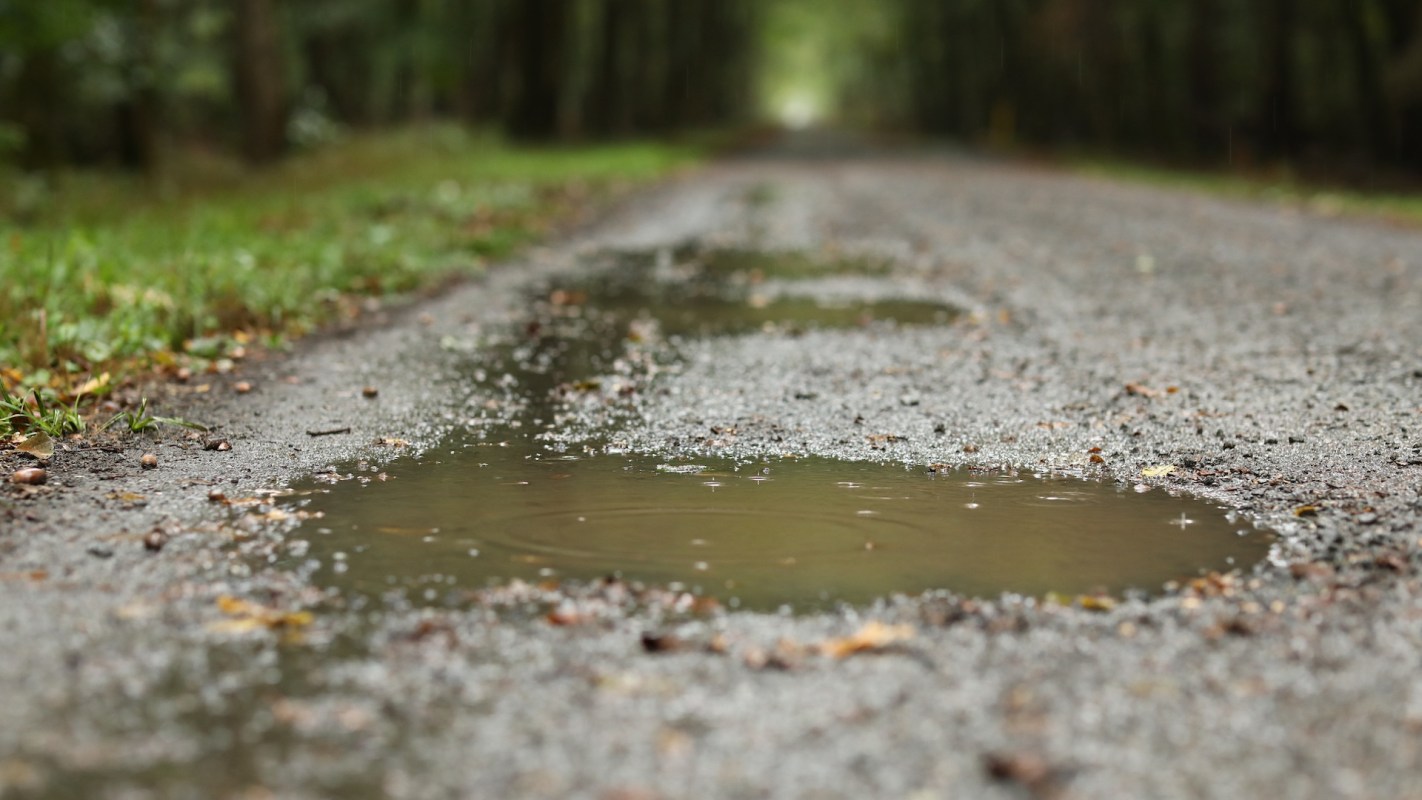
Because the season is expected to bring heavy rain and peak outdoor activity, health experts are urging people to not ignore the risks of leptospirosis, a bacterial disease sometimes present in floodwater, rivers, muddy trails, and even puddles.
What's happening?
Warm, wet soil and water can both hold leptospirosis bacteria for weeks or even months. The urine of infected mammals carries the infection into the environment, per Medical Daily.
The disease can infect people when contaminated mud or water gets into the bloodstream through cuts or scrapes or enters the body through the eyes, nose, or mouth. This puts people at particular risk when they wade through floodwaters, swim in rivers and creeks, or even race through muddy obstacle courses.
Hawai'i usually reports the most U.S. cases, but heavy rain or flooding can trigger outbreaks anywhere rodents, livestock, or wildlife are present, Medical Daily reported. Historic outbreaks have also been tied to triathlons and adventure races. Worldwide, leptospirosis causes about 1 million cases and roughly 60,000 deaths each year.
Why does it matter?
Leptospirosis can seem mild at first. Symptoms can appear between two and 30 days after exposure and include fever, headache, muscle aches, vomiting, or diarrhea, per the Centers for Disease Control and Prevention.
TCD Picks » Quince Spotlight
💡These best-sellers from Quince deliver affordable, sustainable luxury for all




That can make it easy to dismiss the early warning signs after a swim, flood response, or muddy outdoor event. But roughly 10% of infections progress to Weil's disease, the serious form of leptospirosis.
This severe illness can cause jaundice, acute kidney injury, hemorrhagic pneumonia, cardiovascular collapse, and death. The change from a mild illness to a medical emergency can happen suddenly around days five to seven.
A river float, flooded backyard, or dog drinking standing water may feel harmless in the moment. But exposure to water after storms or near animal waste is not always safe, and early symptoms deserve attention.
What can I do?
The CDC says to avoid floodwaters and waterways or pooled water that could be tainted by animal waste. If exposure cannot be avoided, such as during disaster response, waterproof boots and protective clothing can reduce the risk.
The CDC also advises covering cuts and scrapes with waterproof bandages, avoiding touching your face while working in contaminated areas, and washing thoroughly with soap and clean water as soon as possible after exposure.
If you develop symptoms similar to those of the flu after contact with suspect water or mud, seek medical care and mention the exposure.
Pet owners have a role to play as well. Infected dogs can pass the bacteria in their urine and expose people. Leptospirosis vaccines are available for dogs and are advised for those that spend time outdoors near wildlife or livestock.
Antibiotics can help people, and doxycycline may be used preventively for some short-term, high-risk exposures.
Leptospirosis may be unfamiliar to many Americans, but it's important to remember that summer water can carry more than dirt.

Get TCD's free newsletters for easy tips, smart advice, and a chance to earn $5,000 toward home upgrades. To see more stories like this one, change your Google preferences here.






