


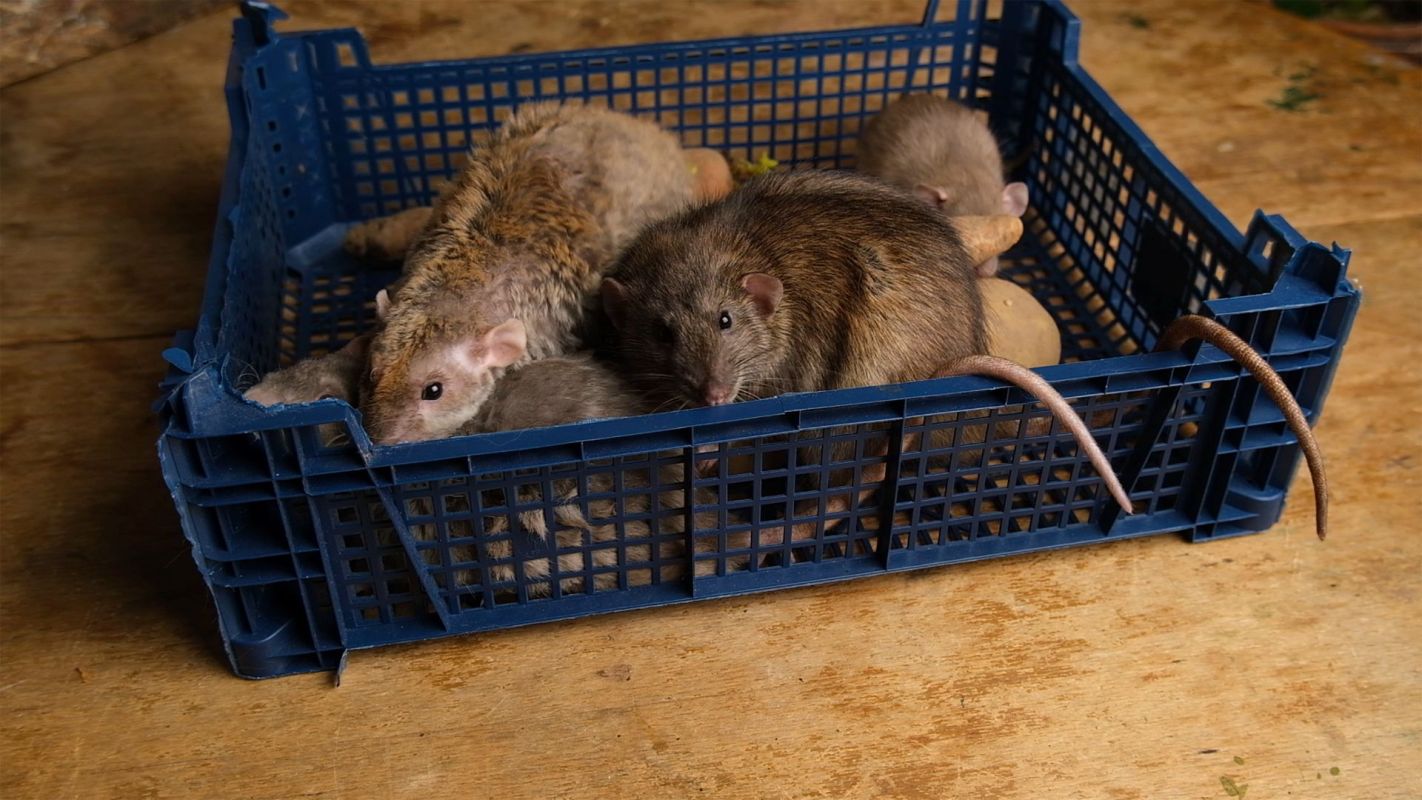
In Berkeley, California, officials confirmed that a man died from leptospirosis after living in a recreational vehicle they said contained hundreds of wild rats. A woman who lived with him also got sick but later recovered under medical care.
What happened?
According to the Berkeley Scanner, city officials said first responders were called to the RV in May. Both occupants, who were in their 70s, were taken to a hospital.
The city said the couple told responders there were at least 100 rats inside the vehicle. Before the RV was sealed, trapped, and eventually destroyed, nearly 200 rats had been removed.
The city said, as reported by the Scanner, "Both individuals lived together in a recreational vehicle in which they had been trapping, feeding, and breeding wild rats." Officials described the RV as "severely infested with wild rats that were not in cages."
The local outlet noted that officials said the delay in getting treatment likely made the illness worse, adding that the couple "did not seek medical care for weeks and possibly months" after becoming sick. The man died in May, while the woman survived after a long hospitalization.
Before this case, Berkeley had not reported a human leptospirosis infection in more than 10 years, according to The Scanner. The disease is caused by bacteria and can spread through contact with animal urine, including in standing water.
TCD Picks » Quince Spotlight
💡These best-sellers from Quince deliver affordable, sustainable luxury for all




Why does it matter?
Leptospirosis can cause serious illness in both humans and animals.
According to the Berkeley Scanner, the city has said human infections remain rare and that the risk to most residents and businesses remains very low. Even so, the illness can be hard to recognize because its symptoms may look like the flu, and some people may have no symptoms at all.
City officials also said that two dogs have tested positive for leptospirosis.
What's being done?
The Scanner reported that Berkeley started issuing public warnings after leptospirosis was found in rats and dogs. The city had established a buffer zone in northwest Berkeley and asked unhoused residents to relocate so rodent-control work could move forward more effectively.
According to the Scanner, the city was ending that buffer-zone guidance as of mid-June, when it began using "enhanced sanitation, vector suppression, and targeted outreach" for people staying near areas with rat activity.
Officials also said they released updated technical guidance for medical providers, which could help clinicians spot a disease with which many may be less familiar.

Get TCD's free newsletters for easy tips, smart advice, and a chance to earn $5,000 toward home upgrades. To see more stories like this one, change your Google preferences here.






