


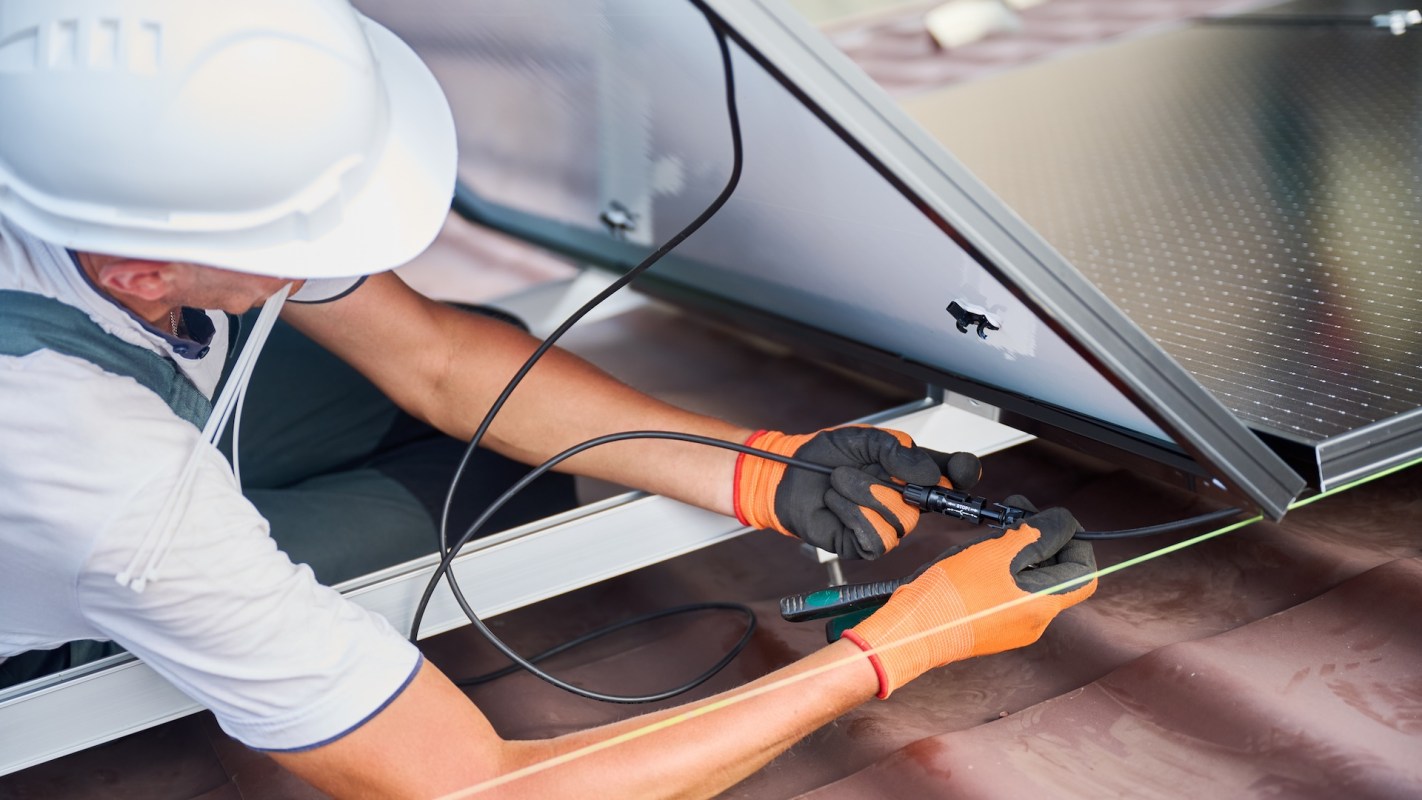
New Zealand may soon make home solar power far more accessible, not only for homeowners with rooftops, but also for renters.
A new government review says allowing plug-in solar, also called balcony solar, could cut costs and waiting times, giving more households a chance to reduce their electricity bills while reducing pollution at the same time.
What's happening?
Launched in May, the Ministry for Regulation's review of residential solar was meant to reduce "unnecessary cost, delay, and complexity for households" across the country, as 1News reported.
It ultimately recommended legalizing plug-in solar systems and removing other obstacles that can hold up installations.
Solar remains a niche option in New Zealand. The review noted that only about 3% to 4% of homes have it so far. It also found that most systems cost around $8,500 to $11,500 and pay for themselves over time.
But plug-in solar, which generally includes compact kits built around one or two panels and a microinverter, can sit on a balcony, terrace, garden, or roof and feed power through a regular outlet. These systems are far cheaper than rooftop ones and can still help to slash power bills.
TCD Picks » Quince Spotlight
💡These best-sellers from Quince deliver affordable, sustainable luxury for all




Rewiring Aotearoa (the Māori name for New Zealand) figures show that a standard plug-in solar setup may cover roughly 7% to 15% of a typical New Zealand household's daily electricity demand, potentially leading to noticeable savings on power bills over time.
Rewiring Aotearoa also explained that these systems are meant to reduce dependence on grid electricity rather than replace it entirely.
Now, the nation's Regulation Minister, David Seymour, said in response to the report and its recommendations that, "Plug-in systems can be used by renters and people living in apartments who can't access traditional rooftop solar."
Seymour added, "If they're good enough for Germany and the U.K., they're good enough for us."
Why does it matter?
For many households, the biggest obstacle to going solar is not a lack of interest but the cost, paperwork, and whether their home can even support a rooftop system. Plug-in solar could help address those issues by offering a cheaper, more portable alternative that does not require specialist installation.
That could be especially meaningful for renters, apartment dwellers, and others unable to make permanent changes to their homes.
So in a rare instance of good news, it appears that New Zealanders shouldn't have to wait too long before being able to access balcony solar.

Get TCD's free newsletters for easy tips, smart advice, and a chance to earn $5,000 toward home upgrades. To see more stories like this one, change your Google preferences here.






