


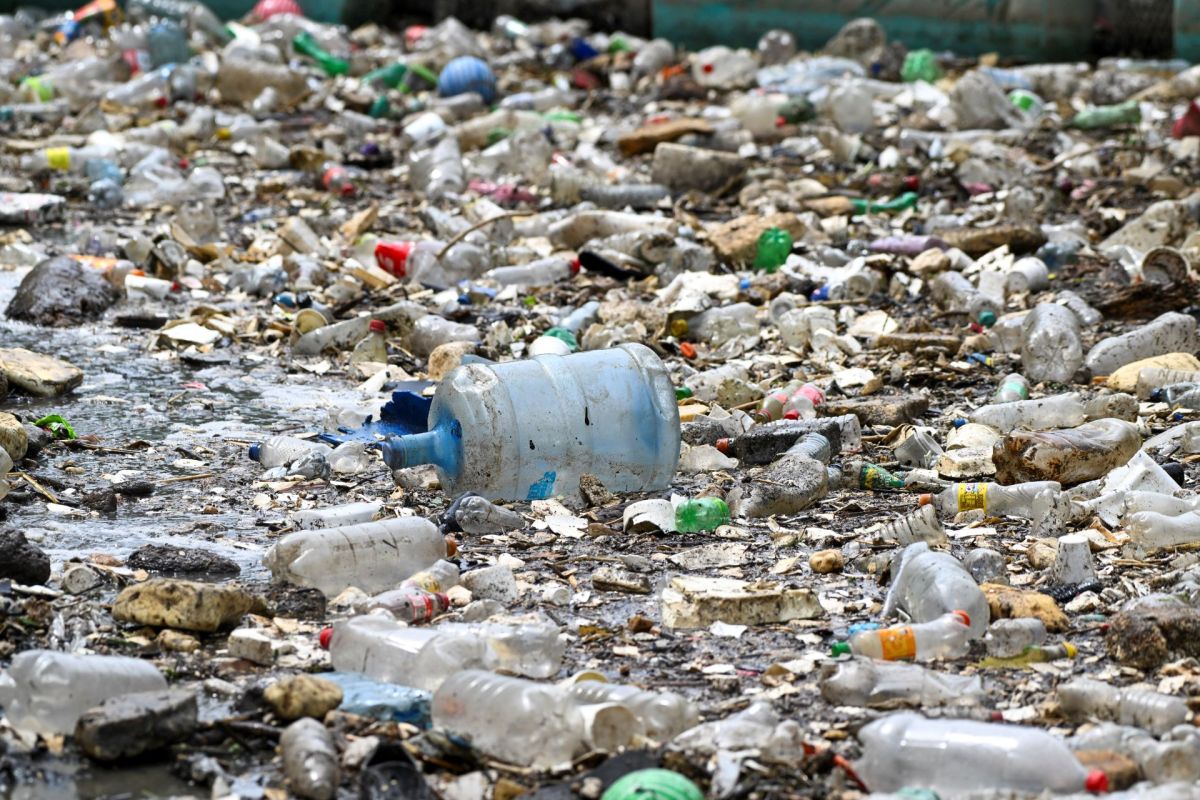
Latin America has taken the brunt of China's ban on plastic-waste imports as health concerns rise.
Here's what to know
Mongabay reported that a study released in April 2026 in Environmental Research Letters points to Latin America as one of the regions affected after China stopped accepting plastic-waste imports in 2018.
Researchers identified seven Latin American plastic pollution hotspots: the Dominican Republic, Guatemala, Honduras, Mexico, Nicaragua, Panama, and Paraguay.
Organization for Economic Co-operation and Development (OECD) figures show the world produced about 389 million tons (353 million metric tons) of plastic waste in 2019, of which a dismal 9% was recycled.
Veronica Herrera, who led the study and is an associate professor at UCLA's Luskin School of Public Affairs, said, "Certain countries in Latin America have started importing more waste but they haven't actually got the capacity to deal with [it]. Something pernicious is happening in the region."
Herrera went on to say this form of "waste colonialism" has left Guatemala, Nicaragua and Paraguay in "particularly dire situations." Waste imports in Nicaragua increased by 394% between 2015 and 2022, and 234% in Paraguay.
TCD Picks » Quince Spotlight
💡These best-sellers from Quince deliver affordable, sustainable luxury for all




Alberto Rojas, a Costa Rica-based consultant with the Environmental Investigation Agency, said, "The regional scale is stark," noting that roughly 18,700 tons (17,000 metric tons) of plastic waste end up in open dumps each day across Latin America and the Caribbean.
More background
Growing volumes of plastic waste are linked to serious health harms caused by poor access to clean water, which increases the risk of disease. Rojas said a 2026 regional review found microplastics in drinking water and in 70-100% of commercial seafood tested.
The UCLA-led paper says plastics contain more than 16,000 chemicals, including PFAS, flame retardants, and plasticizers—chemicals that may affect human health in ways that include genotoxicity and pulmonary fibrosis. The paper also notes that many communities rely on open burning to get rid of plastic waste, releasing poisonous dioxins into the very air residents breathe.
Marcos Orellana, the former U.N. special rapporteur on toxics and human rights, told Mongabay, "The people most heavily impacted are people in vulnerable situations, who already lack appropriate sanitation."
Orellana said that in the Dominican Republic, plastic waste blocks sewers and storm drains, causing flooding and creating conditions for mosquitoes that carry dengue fever and malaria.
Orellana said, "The waste management system simply cannot take the amounts of plastic waste that are being generated."
What's being done?
Mongabay reported that plastics treaty negotiations are set to resume in March 2027. Many hope for limits on production, while many oil-producing countries believe improved recycling and waste systems are the answer.
Rojas pointed out that Chile and Colombia have introduced extended producer responsibility to hold them responsible for waste. He said Colombia has also introduced legislation to eliminate 21 categories of single-use plastic by 2030, while Uruguay has required 40% recycled content in beverage bottles since 2025. Additionally, Costa Rica has a nationwide plan on single-use plastics and marine litter.
Where can I learn more?
China's import ban has merely redirected where the world's plastic waste ends up, pushing it into countries already struggling with their own waste. Governments now must decide whether to cut plastic production or implement better recycling and waste systems.
• In Indonesia, rich nations rerouted trash after China's ban, worsening deadly air pollution.
• At Indonesian tofu factories, imported plastic was burned, contaminating food with toxic ash.
• Ahead of treaty talks, scientists and business leaders pressed the U.S. to back production limits.
The global consequences of plastic waste are landing on the most vulnerable communities that are already stretched too thin, making the debate over production cuts versus waste management extremely high-stakes.

Get TCD's free newsletters for easy tips, smart advice, and a chance to earn $5,000 toward home upgrades. To see more stories like this one, change your Google preferences here.






