


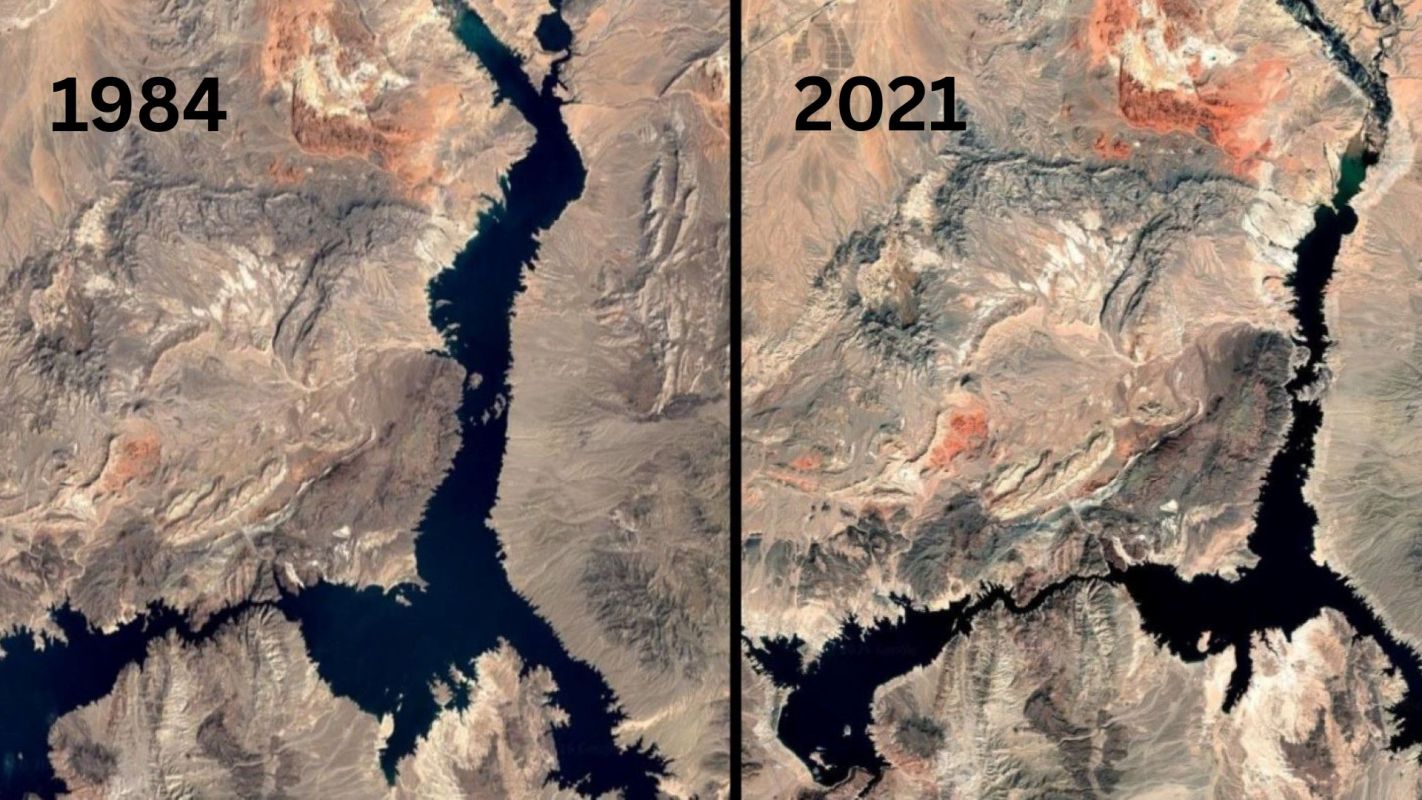
Combined storage in Lakes Mead and Powell has fallen to just above what Lake Mead alone held in 1957, a stark benchmark for the Colorado River system.
What's happening?
On July 12, the two reservoirs reached this near-record low point, with their combined storage matching levels last seen in May 1957, Tucson.com reported. That was before Lake Powell had started filling behind Glen Canyon Dam.
Much of the drop traces back to very low snowpack in Colorado, New Mexico, Utah, and Wyoming — the states that produce much of the river's flow — along with unusually intense spring heat across the Colorado River Basin.
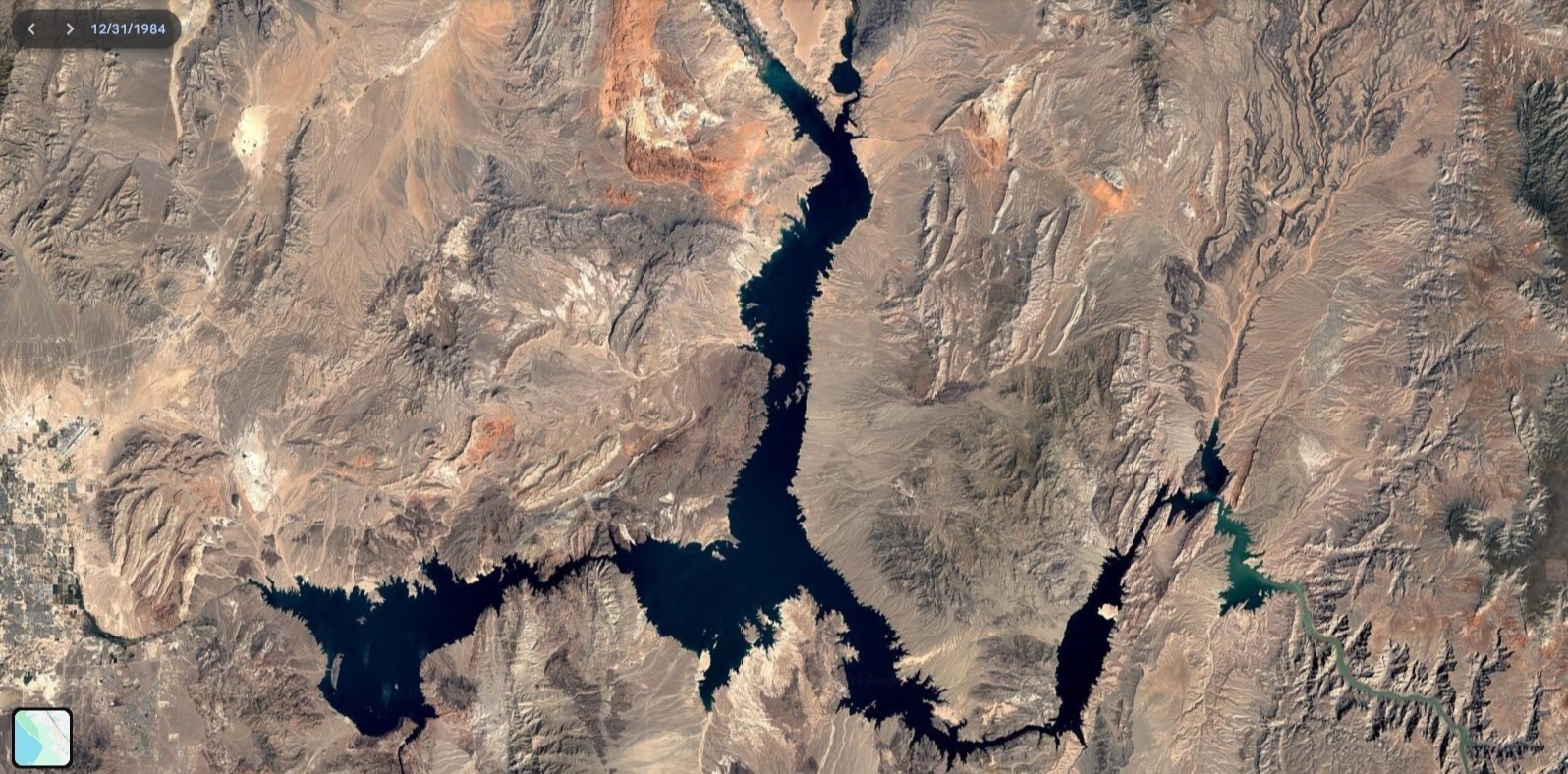
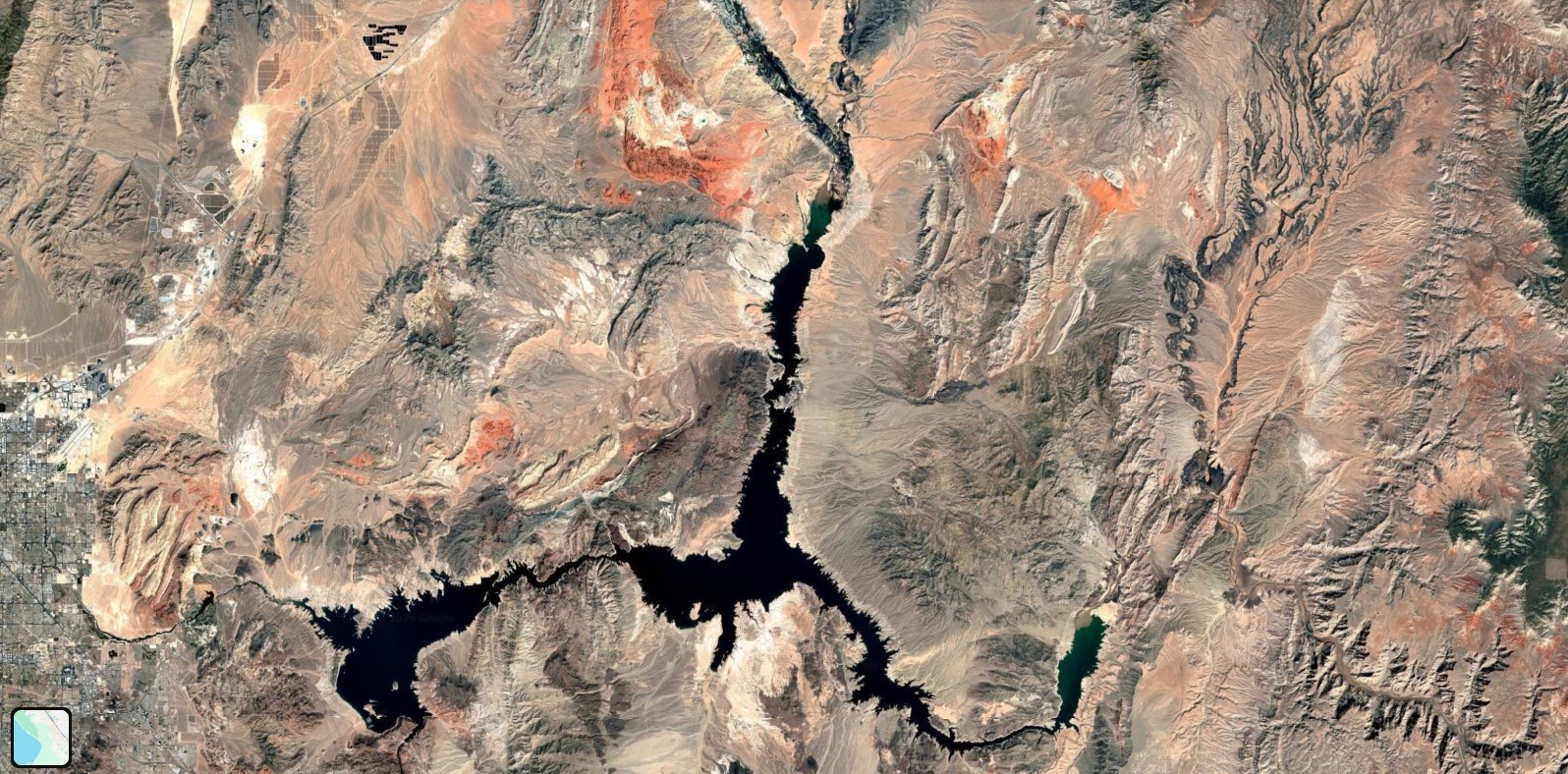
Lake Mead 1984 vs 2021
Photo Credit: Google Earth
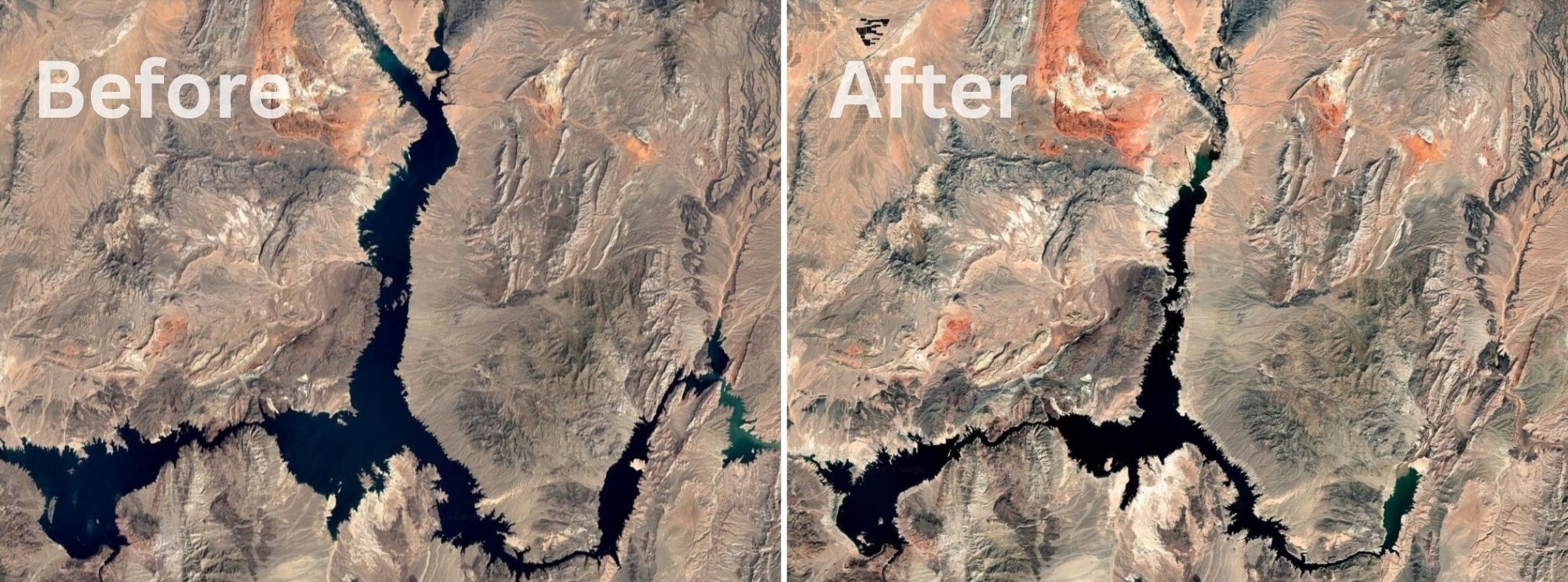
Photo Credit: Google Earth
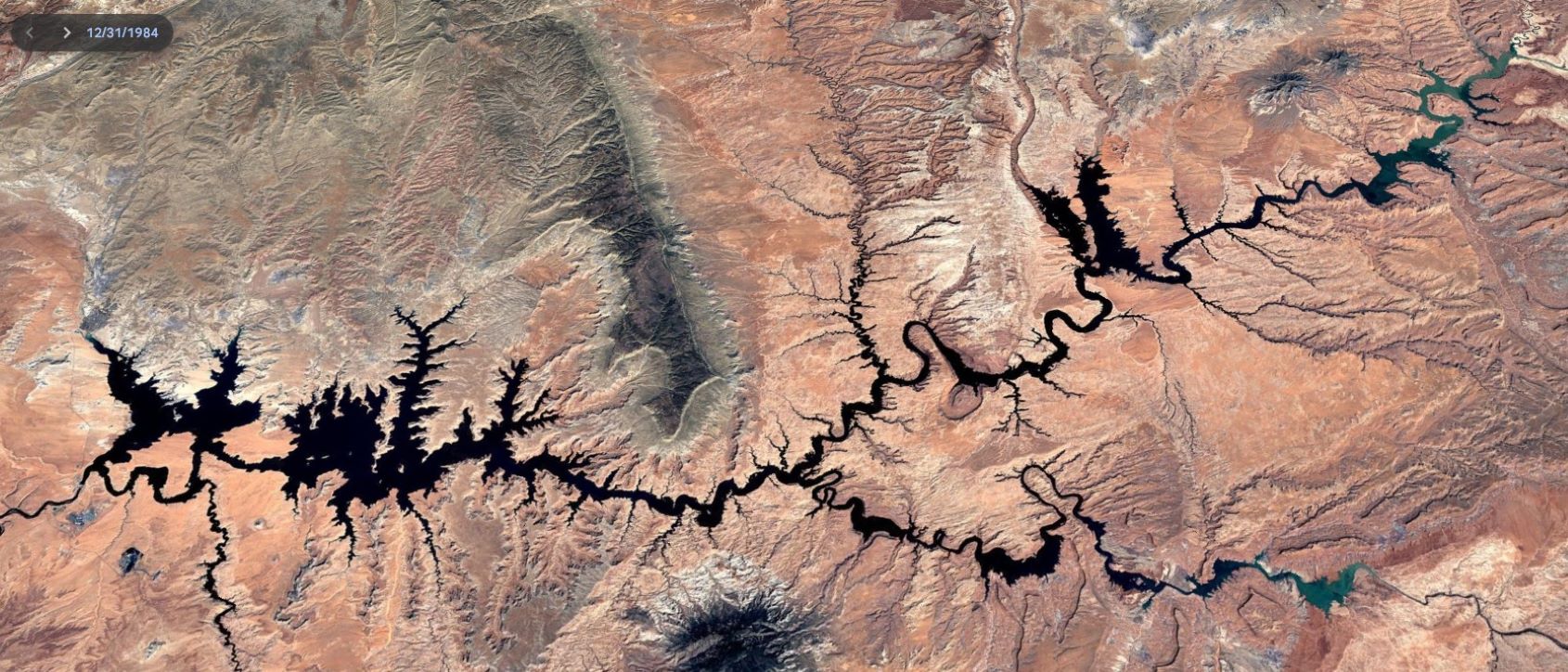
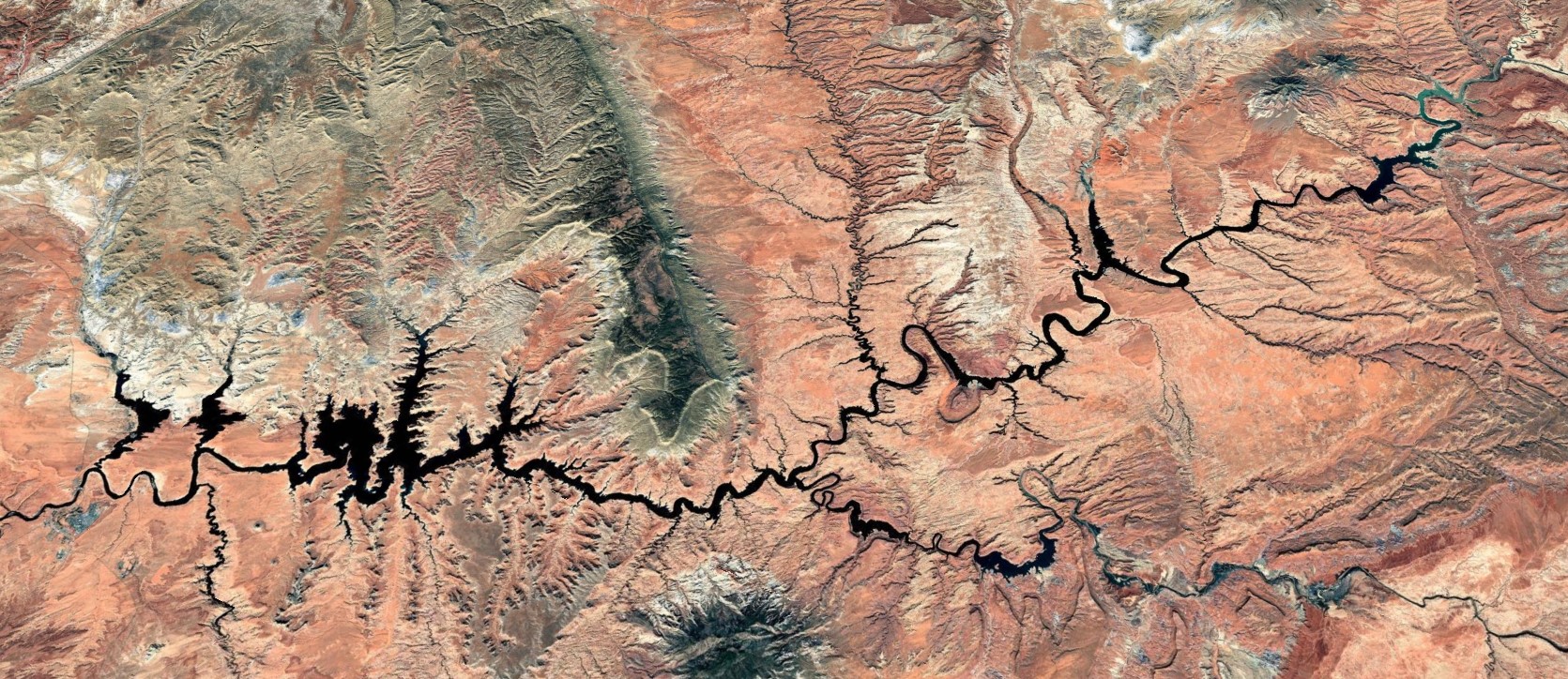
Lake Powell 1984 vs 2021
Photo Credit: Google Earth
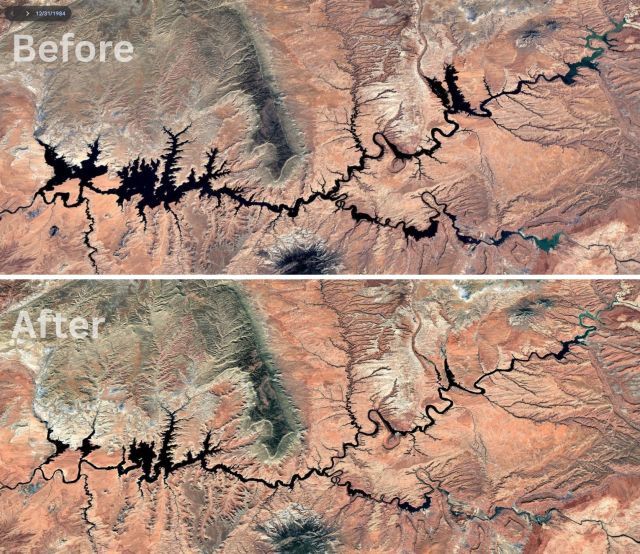
Photo Credit: Google Earth
For Jack Schmidt, director of Utah State University's Center for Colorado River Studies, the development "represents a teaching moment to communicate to the general public how dire is the situation and how little remaining water we have in the reservoir system."
In four of the past five months, including most of July, the two lakes have been shedding about 15,000 to 16,000 acre-feet of water per day.
Why does it matter?
For years, Lake Mead and Lake Powell have acted as the Colorado River's reserve supply, helping protect drinking water deliveries to cities including Phoenix, Tucson, and Los Angeles while also supporting major agricultural areas in Arizona and California. That reserve is disappearing quickly.
TCD Picks » Quince Spotlight
💡These best-sellers from Quince deliver affordable, sustainable luxury for all




According to Anne Castle, an assistant Interior secretary of water and science during the Obama Administration, the reservoirs' buffer against short-term drought is now "almost nonexistent."
Hotter temperatures and prolonged drought can strain drinking water systems, threaten crop production, increase energy stress, and leave communities more vulnerable to wildfire and other climate-related emergencies.
Even with emergency management steps upstream, the latest federal forecast indicates Lake Powell could drop below the level needed for Glen Canyon Dam to keep generating hydropower by next spring.
What's being done?
Federal officials are preparing a final environmental impact statement expected to outline proposed reductions in Colorado River water use aimed at shrinking the growing gap between supply and demand. That process is expected to shape how states and water users respond in the near term.
Schmidt framed the challenge with a bathtub analogy.
"The amount of water we have left in the bathtub can be fixed by increasing flow out of the faucet or closing down the drain," he said. "We can't increase what's coming out of the faucet. We have to decrease the flow out of the drain."
In practical terms, that means more conservation, tougher negotiations among states, and more pressure on cities, farms, and industries to use less water.
Experts say the reservoirs will likely keep setting new lows until snowmelt returns next spring.

Get TCD's free newsletters for easy tips, smart advice, and a chance to earn $5,000 toward home upgrades. To see more stories like this one, change your Google preferences here.






