


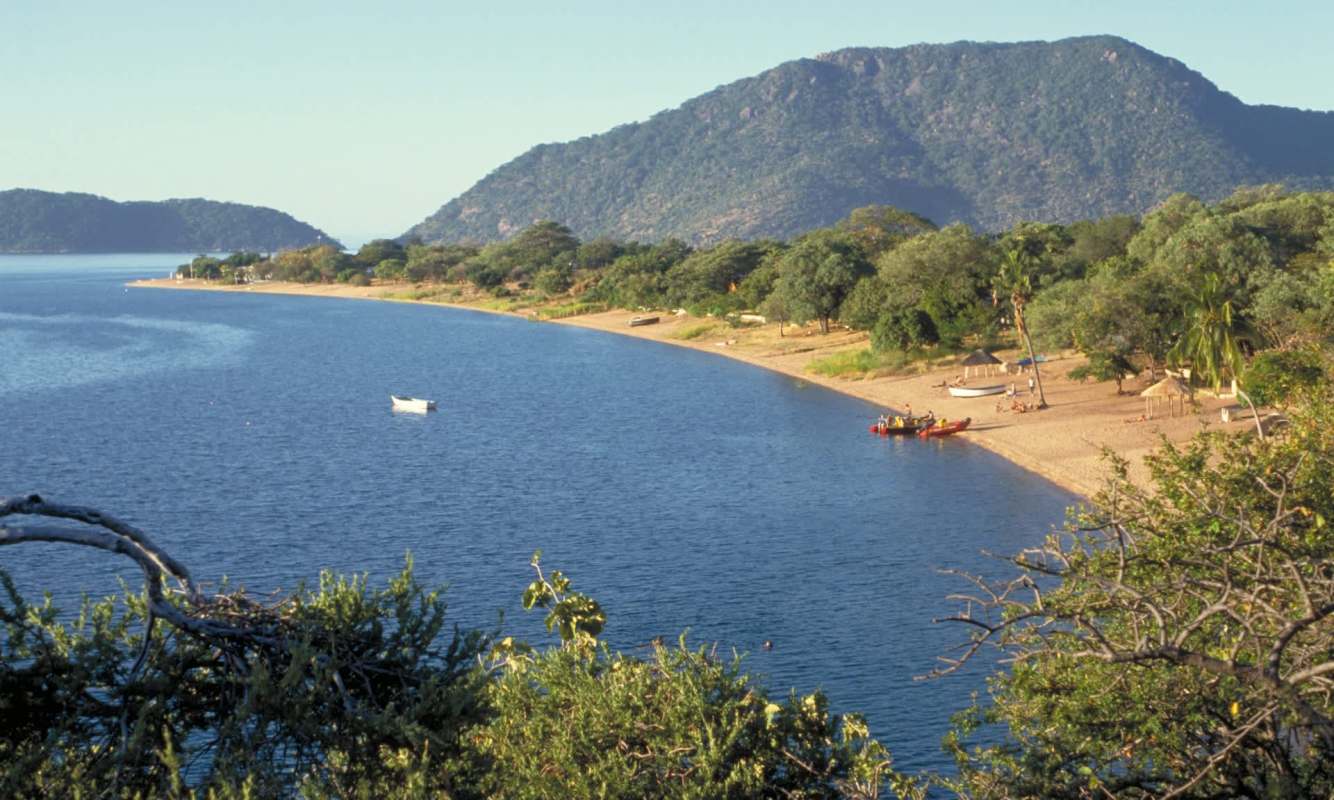
In Lake Malawi, scientists have found small fly larvae capable of enduring conditions once considered beyond insects: they descend past 656 feet and survive pressures expected to overwhelm any insect breathing systems.
What's happening?
According to a study published in Science and described by Discover Wildlife, the aquatic larvae of the lake fly Chaoborus edulis spend daylight hours dropping into Lake Malawi's anoxic deep waters to avoid predators, then return to the surface at night to feed on zooplankton.
Researchers first documented this daily pattern with sonar, according to Discover Wildlife.
That behavior is remarkable because aquatic insects account for more than 60% of freshwater animal species, yet none are known to live in the deep open ocean.
For a long time, as Discover Wildlife reported, scientists have thought the pressure in such environments would crush their tracheal breathing systems.
Those dives are even more notable given the setting. Lake Malawi is Africa's second-deepest lake, averaging 958 feet and reaching depths over 2,300 feet, and the study found the larvae regularly moving below 656 feet — much deeper than many researchers would have expected for an insect.
TCD Picks » Quince Spotlight
💡These best-sellers from Quince deliver affordable, sustainable luxury for all




Researchers say the explanation lies in an altered tracheal system. The larvae use air-filled sacs to control buoyancy in shallower water, but those sacs become more rigid at depth, helping them withstand crushing pressure, Discover Wildlife reported.
Why does it matter?
Taken together, the results push against the idea that insect body design keeps them out of very deep aquatic habitats.
The finding also changes how scientists may think about freshwater food webs. In Lake Malawi, Chaoborus edulis larvae eat zooplankton and also serve as prey for fish, so their movement between surface feeding zones and deeper refuge areas helps shape predator-prey interactions across the lake.
More broadly, the study points to wider evolutionary possibilities for insects than scientists had assumed. If an insect can tolerate pressure underwater, then the boundary between freshwater insects and deeper open-water life may be less fixed than once believed.

Get TCD's free newsletters for easy tips, smart advice, and a chance to earn $5,000 toward home upgrades. To see more stories like this one, change your Google preferences here.






