


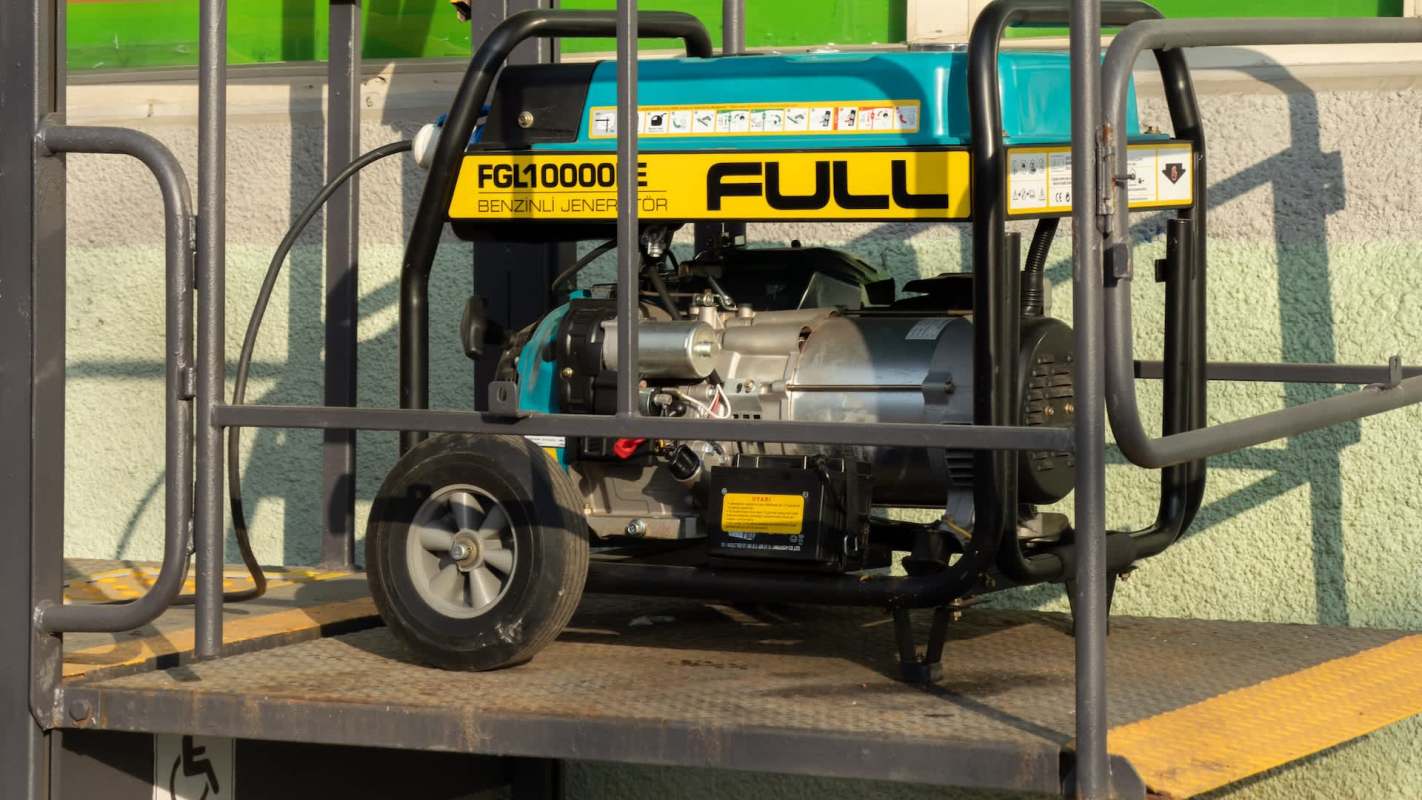
Generators in Nigeria's Lagos State produce an estimated 43 million U.S. tons (39 million tonnes) of carbon dioxide equivalent pollution each year. They're a part of an unreliable electricity system that leaves residents and businesses dependent on burning fuel for power.
Here's what to know
The national grid has been supplying only about 20% of Lagos State's electricity demand, according to Punch. To fill the gap, roughly 4.5 million fuel-burning generators have been in operation across the state, said Biodun Ogunleye, the state's commissioner for energy and mineral resources, as Punch relayed.
The generator count and annual emissions estimate came from research conducted in 2024 by Sustainable Energy for All alongside the Lagos State Government. Ogunleye presented the findings at a panel focused on city regeneration and urban renewal.
Noise and air pollution were among the most concerning consequences Ogunleye attributed to generator use. Reliance on fuel-burning generators has also left residents and businesses grappling with higher energy bills.
More background
Discussing productivity in cities, Ogunleye used the phrase "the invisible constraint" to describe unreliable electricity, according to Punch. To address the situation, Ogunleye called for dependable energy infrastructure in the places where people already live.
To ensure reliable supplies, Ogunleye would link utility planning with land use, and services would be required to meet measurable standards.
TCD Picks » Quince Spotlight
💡These best-sellers from Quince deliver affordable, sustainable luxury for all




What's being done?
Under two potential energy projects that Ogunleye described, neighborhood-scale energy infrastructure would provide more of the capacity required to supply both businesses and households.
Victoria Island Power, a commercial district upgrade under development, has 40 megawatts of planned embedded capacity. A dedicated, 7.8-mile (12.6-kilometer) underground feeder network is also planned to supply businesses in the area, according to Punch.
The other project would bring the dormant Akute independent power plant back into use. The existing facility had 26 MW of base contracted capacity and was due to undergo rehabilitation in 2026, providing power for public services.
For Ogunleye, these district-scale projects can help address local residents' reliance on millions of individual generators as primary power sources.
"An older city does not need a new identity. It needs a new operating system. Renewal is not the demolition of the past. It is the restoration of the city's ability to serve the future," Ogunleye concluded.
Where can I learn more?
High fuel costs and unreliable grid power have driven interest in solar and batteries in Nigeria and elsewhere.
• In Nigeria, businesses have been turning to solar power to move away from diesel and the grid.
• In Nigeria, $4,500 home solar systems can pay for themselves in 16 months as fuel costs soar.
• In Puerto Rico, apartments without generator space used solar and batteries to weather blackouts.
• A homeowner with 8 kW of rooftop solar still needed gas cans and extension cords during blackouts.
• In California, a cabin owner seeking Powerwalls learned a generator cannot recharge them.

Get TCD's free newsletters for easy tips, smart advice, and a chance to earn $5,000 toward home upgrades. To see more stories like this one, change your Google preferences here.






