


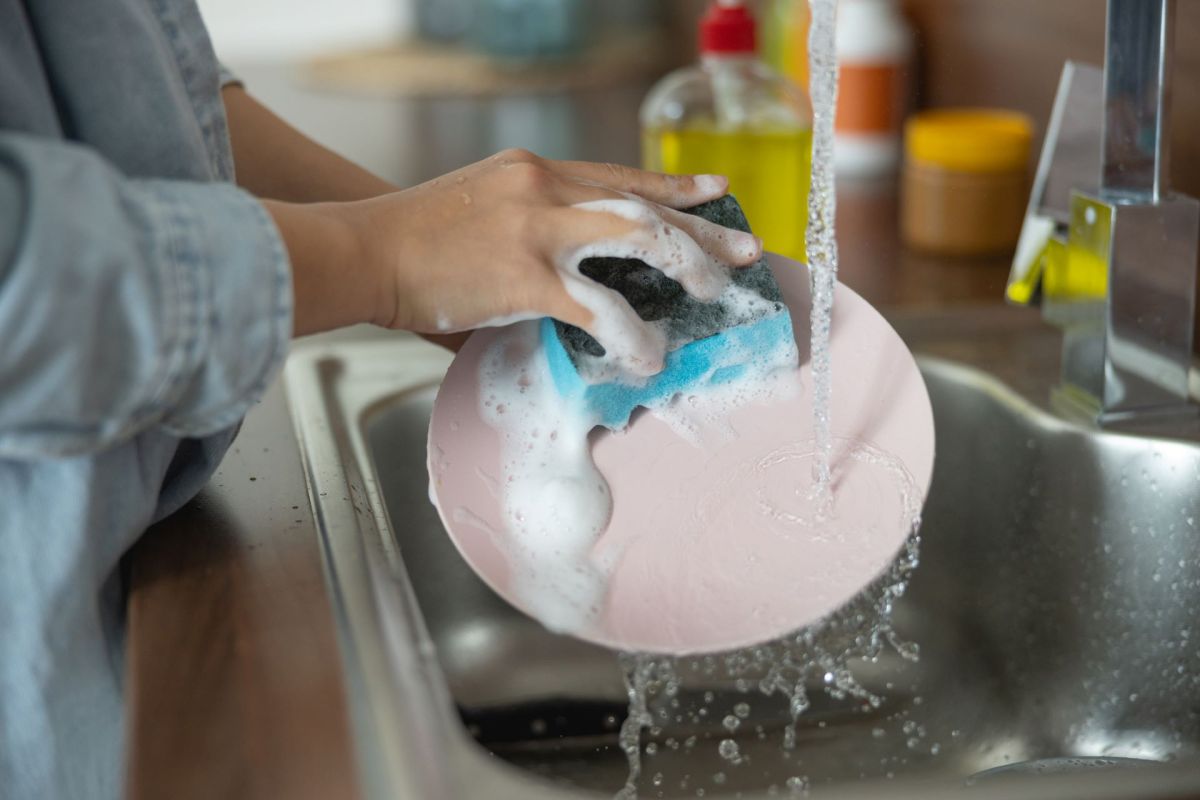
That kitchen sponge sitting beside the sink may be doing more than wiping away stuck-on food.
New research suggests it can also shed tiny plastic particles during everyday dishwashing.
Researchers at the University of Bonn led a study examining whether kitchen sponges release microplastics as they wear down during normal use.
The answer was yes. Every sponge tested lost material over time, sending small plastic particles into wastewater.
To better understand what happens in real homes, the researchers combined lab testing with citizen science. Households in Germany and North America used one of three types of sponges during their usual dishwashing routines while tracking how the sponges were used.
The team also carried out controlled experiments using an automated system called "SpongeBot," designed to mimic the mechanical stress sponges experience during washing.
TCD Picks » Quince Spotlight
💡These best-sellers from Quince deliver affordable, sustainable luxury for all




By weighing the sponges before and after use, the researchers estimated annual microplastic emissions of roughly 0.68 grams to 4.21 grams per person, depending on the sponge type. Though this may seem small, these microplastics can add up. If all German households used one particular sponge type, about 355 tonnes, or roughly 391 tons, of microplastics could be shed each year, the researchers estimated.
Wastewater treatment plants can capture a large share of that material, but the researchers said several tonnes could still escape into the environment each year, where microplastics can make their way into rivers, lakes, oceans, and soils.
The life cycle assessment found that around 85% to 97% of the total impact from hand-washing dishes came from water consumption, not the plastic particles themselves.
The research suggests that how people wash dishes may have a larger environmental effect than sponge choice.
Using less water while washing dishes would have the largest effect, since water use accounted for the vast majority of the environmental burden in the study.
The researchers also recommend choosing sponges with lower plastic content, since those made with less plastic shed fewer microplastics during use.
Keeping sponges in use longer, when they are still functional, can reduce the need for replacements and lower overall resource use.
Even common household items can contribute to pollution, but for hand-washing dishes, the study found that the largest share of environmental harm came from water use.

Get TCD's free newsletters for easy tips, smart advice, and a chance to earn $5,000 toward home upgrades. To see more stories like this one, change your Google preferences here.






