


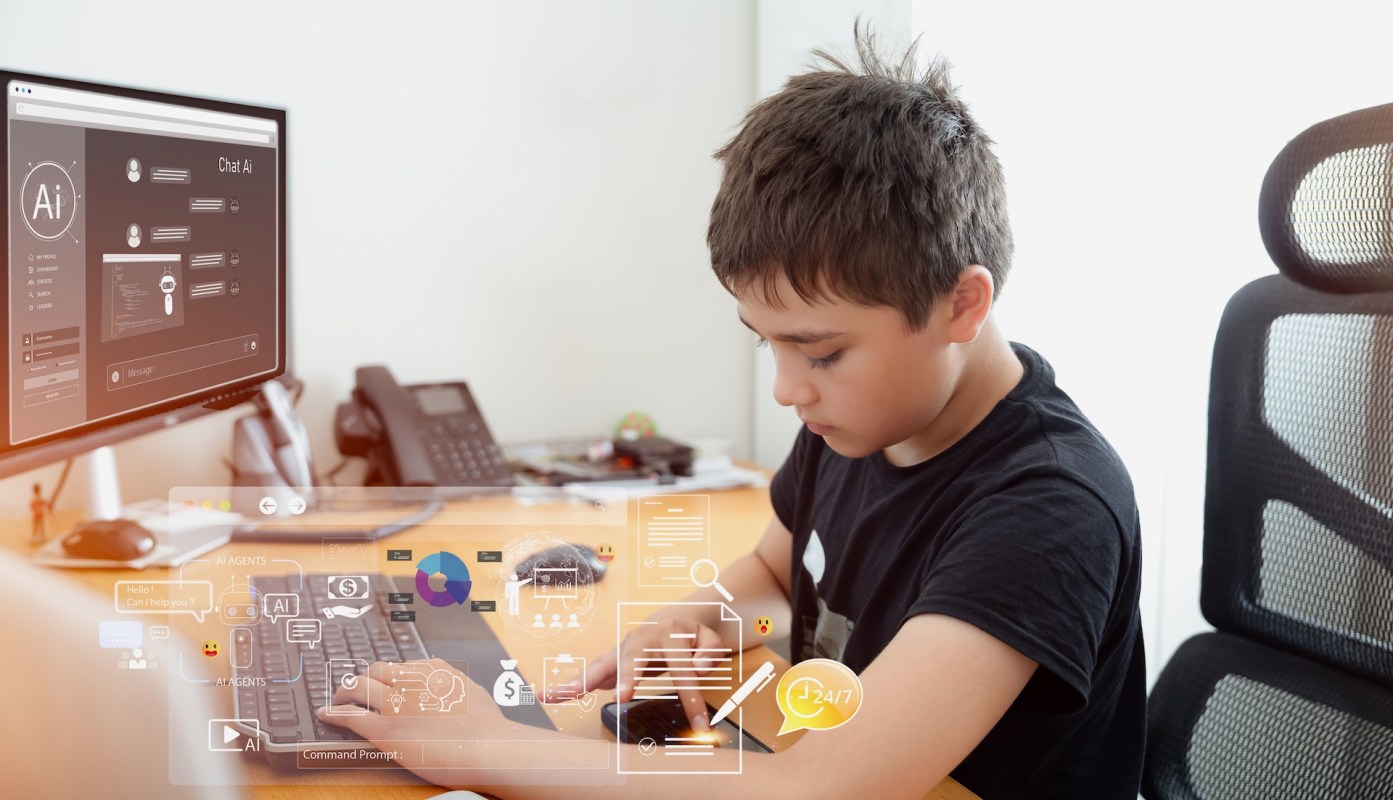
Children are increasingly bringing emotional concerns into conversations with AI chatbots, alongside homework questions. A JED Foundation survey found that 57% of kids ages 9 to 17 turn to AI during periods of sadness, stress, loneliness, or feeling overwhelmed.
Here's what to know
The mental health advocacy group found that 90% of children surveyed had used an AI chatbot, while 58% reported using AI for schoolwork, Futurism reported.
Twelve percent reported turning to AI for company or friendship. Futurism also cited a separate survey in which almost 20% of high schoolers reported that either they or a friend had used AI for a romantic relationship.
Reports of past suicidal thoughts and attempts were more common among young people who turned to AI during emotional distress. That use was also associated with poorer reported mental health and well-being.
More background
Arjun Sharda, a 15-year-old in Texas, described turning to ChatGPT when he was worried about a chemistry test.
"With tests, for example," he told Oregon Public Broadcasting, "I was so scared of failing one of my first chemistry tests on conversions and moles that I kept asking ChatGPT 'Will I be OK? Will my GPA still be fine?'"
TCD Picks » Quince Spotlight
💡These best-sellers from Quince deliver affordable, sustainable luxury for all




AI's expanding role also has environmental consequences. Chatbots rely on computing infrastructure that draws electricity from the energy grid and can consume substantial water for cooling.
While AI can help optimize clean energy systems, its energy and water demands pose environmental trade-offs alongside societal concerns, including children's reliance on automated emotional support.
What can be done?
The JED Foundation is examining how specific uses of AI relate to young people's well-being, distinguishing between turning to a chatbot during emotional distress and simply having tried one.
"We were able to look at how young people are using AI and then how that correlates separately with indicators of well-being, history of suicidal ideation and attempts, and poor mental health," Kayla Anderson, the foundation's vice president of research and evaluation and a psychologist, told OPB.
The concern is whether children receive appropriate guidance and have trusted people to talk with about their emotions, according to Futurism. In Sharda's case, anxiety about school led to repeated requests for reassurance.
Developmental psychologist Anne Maheux, who was not involved in the research, told OPB, "So kids who do have worse mental health are seeking out AI to help them. But that AI use may be exacerbating those mental health challenges instead of helping."
Where can I learn more?
Children's growing use of AI has also prompted concerns about their privacy, learning, and how schools oversee the technology. These stories cover allegations about OpenAI's collection of minors' data, concerns about teens' skills, and schools' differing approaches to AI.
• A California lawsuit alleges OpenAI steered minors into sharing sensitive personal data for AI training.
• Across 91 countries, the OECD warns AI may be making teens less capable.
• New York and Los Angeles ban most student AI use amid growing concerns.
• A $55,000-a-year Chicago private school puts AI in charge of every academic subject.
• Half of Chicago school board candidates support an AI pause as students experiment.

Get TCD's free newsletters for easy tips, smart advice, and a chance to earn $5,000 toward home upgrades. To see more stories like this one, change your Google preferences here.






