


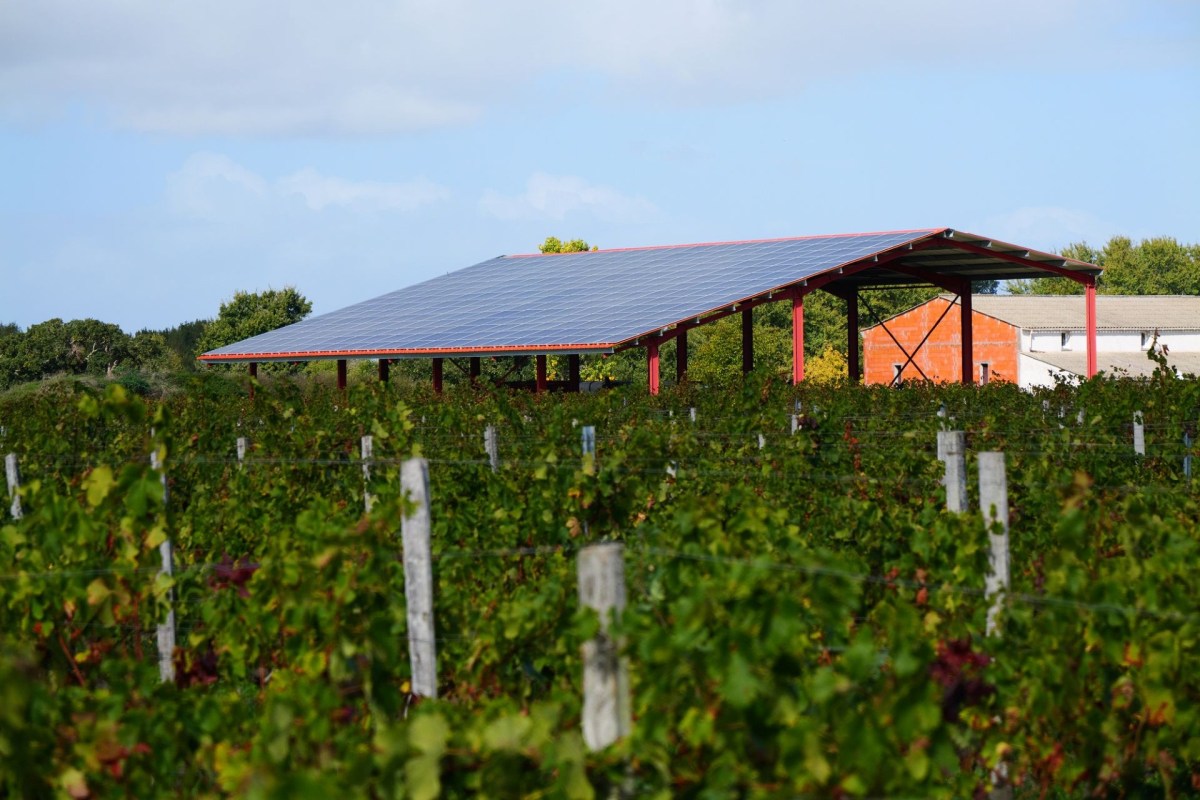
Planners in Lexington, Kentucky, have taken a unanimous step that could slow the pace at which more clean energy comes online. By backing a proposal to block large solar developments on agricultural land, officials prioritized farmland preservation over what could be a major source of local renewable power.
What happened?
The Lexington Planning Commission changed a proposed zoning text amendment so that agricultural areas would no longer be permitted to host intermediate- or large-scale solar projects, according to WKYT.
That recommendation differs from the Urban County Council's earlier position: WKYT reported that the initial plan would have allowed large-scale solar development on farmland.
Fayette Alliance representatives urged officials not to turn Lexington farmland into solar fields. Brittany Roethmeier of the Fayette Alliance said, "There is so much support for solar energy in our community but where and how that happens is at stake."
Some people, however, favored the council's original proposal. Farm setups are often less expensive to build than others and can provide high levels of efficiency, especially if the land beneath the panels is still used for farming and paired with livestock grazing.
Why does it matter?
Where solar can be built can influence energy costs, job opportunities, and how quickly communities cut the pollution that contributes to rising temperatures and more disruptive weather.
TCD Picks » Quince Spotlight
💡These best-sellers from Quince deliver affordable, sustainable luxury for all




Blocking larger solar projects on agricultural land could make it harder for Lexington to expand its local clean energy supply, especially if other suitable sites are limited or more expensive to develop.
Concern about protecting farmland carries weight in a community with a strong agricultural identity. Critics of broad bans often argue that careful siting, dual-use approaches, and project design can enable solar to coexist with farming rather than entirely replace it.
Jeremy Jenkins of Laborers Local 189 described the approach as one that "keeps lands and agricultural use while also generating clean energy helping protect farmland rather than removing it from production entirely," according to WKYT.

Get TCD's free newsletters for easy tips, smart advice, and a chance to earn $5,000 toward home upgrades. To see more stories like this one, change your Google preferences here.






