


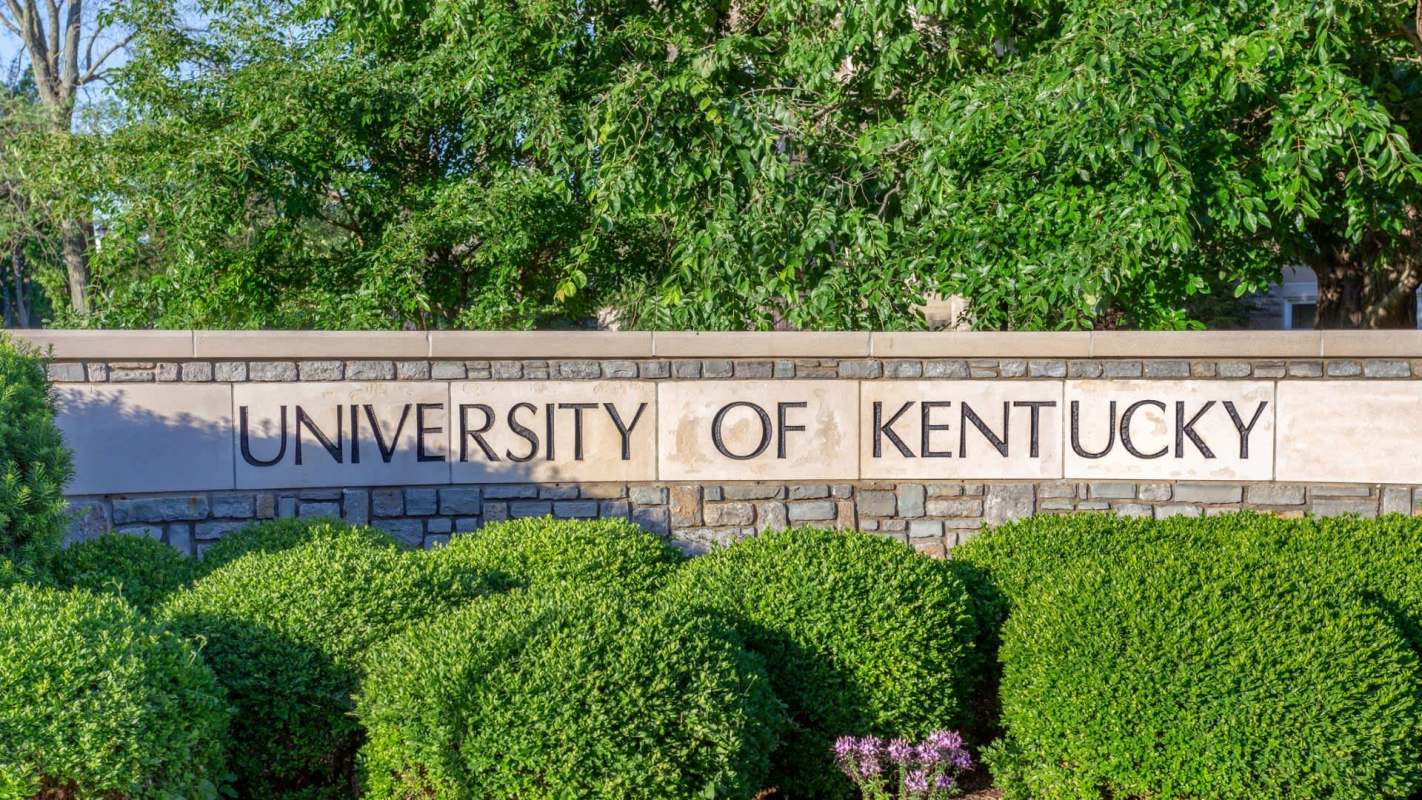
A University of Kentucky employee has secured permission to avoid artificial intelligence at work after saying his deeply held humanist beliefs are incompatible with it.
Here's what to know
For research administrator David Durman, moral development depends on thinking for himself rather than delegating that process to AI.
Title VII of the 1964 Civil Rights Act provided the legal basis for university officials to approve Durman's religious accommodation, according to Tom's Hardware.
The decision followed his objection to the university asking employees to use AI tools, including Microsoft's Copilot and ChatGPT.
For Durman, the concern goes beyond the quality of an AI tool's output.
"The process and work involved in thinking through situations, through my work, through my ethics, through the way I handle other people, is a key component in being able to develop myself as a moral person," Durman told Religion News Service (RNS).
TCD Picks » Quince Spotlight
💡These best-sellers from Quince deliver affordable, sustainable luxury for all




More background
Religion is one of several grounds on which the law behind Durman's accommodation forbids workplace discrimination. It also covers race, sex, national origin, and color.
Federal court rulings that recognize humanism as a religion explain why a humanist objection can qualify for religious accommodation, even though humanism is commonly understood as a secular worldview or philosophy, Tom's Hardware noted.
Durman's request centered on his deeply held beliefs about personal responsibility and decision-making, rather than a general preference to avoid workplace technology.
The law states that an accommodation cannot impose an "undue hardship on the employer's business." The moral belief supporting a Title VII request must also be profound enough to qualify as a matter of faith; simply disliking AI does not guarantee an exemption.
What's being done?
Alexandria Huiskens, a staff attorney for the American Humanist Association, described Durman's request as a new application of freedom-of-conscience protections. The organization helped him seek the accommodation.
"This is the first of its kind at the AHA and for humanism generally to exempt those who see AI use as flying in the face of their freedom of conscience," Huiskens told RNS.
The arrangement is not a workplace-wide ban on AI: Durman may still be expected to supply materials for AI processing when necessary. According to Tom's Hardware, he must also attend meetings and work alongside colleagues who use AI, even though he no longer has to use it for his own tasks.
"And offloading that labor, regardless of whether it's taxing or not, is undercutting my ability to be a moral actor," he told RNS.
Where can I learn more?
Durman's objection is one example of the pushback against AI use in workplaces and universities.
• Anthropic's push to shape AI's moral direction appeared to clash with Vatican divisions.
• At Dartmouth, students wanted the provost fired after he used AI in an op-ed about cheating.
• A New Jersey worker says AI photographed her at home every three minutes before her firing.
• California is moving to bar AI emotion-reading tools from use in the workplace.
• A New Zealand job seeker feared a data grab after completing a timed AI interview.

Get TCD's free newsletters for easy tips, smart advice, and a chance to earn $5,000 toward home upgrades. To see more stories like this one, change your Google preferences here.






