


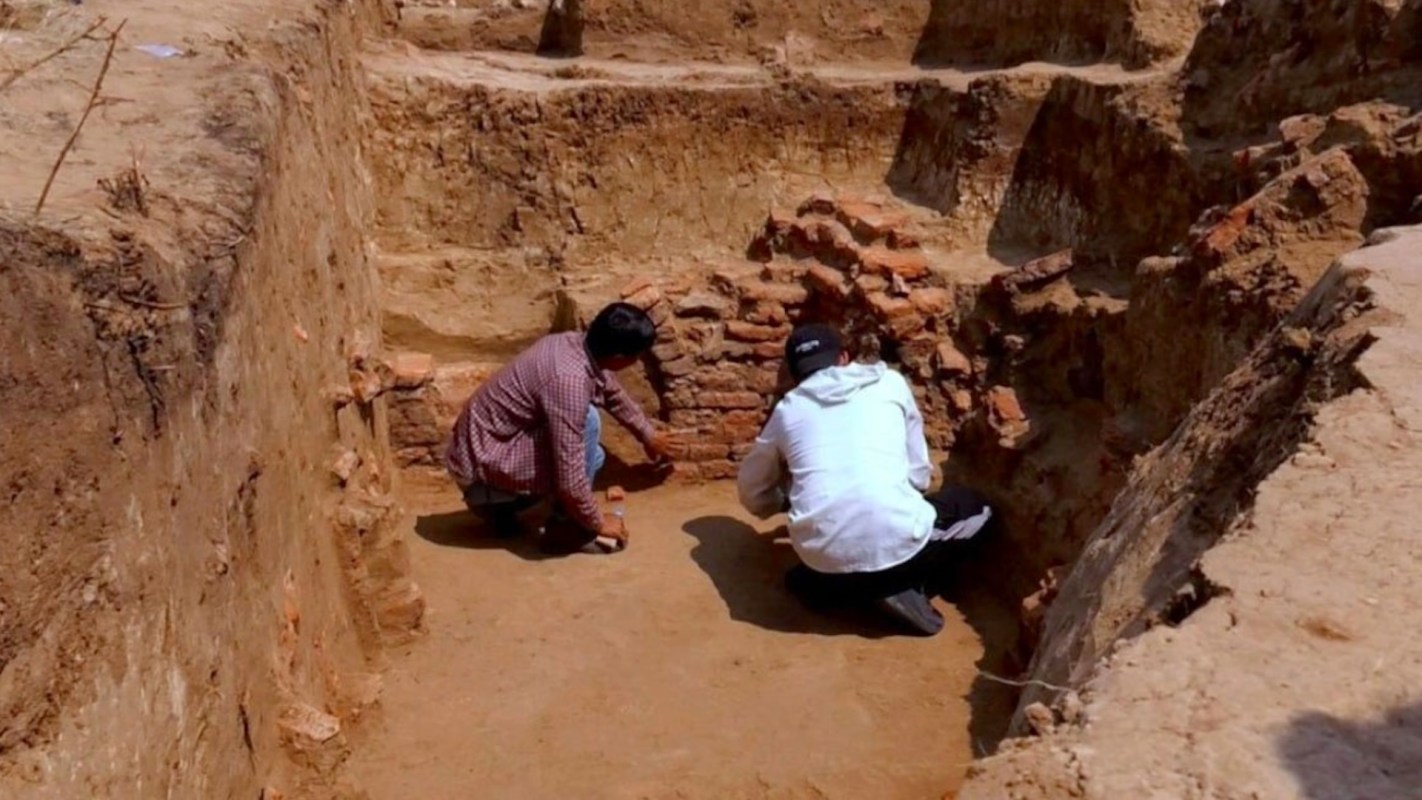
In northern Kazakhstan, ground-penetrating radar helped researchers discover evidence of a large medieval structure buried below the surface of the Earth.
What happened?
Fragments of fired brick from the Golden Horde period, roughly between the years 1240 and 1500, were uncovered after Margulan University researchers investigated the Zhantai tract in Pavlodar, northern Kazakhstan.
The Golden Horde took shape in the 13th century within lands ruled by Jochi, a prince of the Mongol Empire. Its territory stretched from Siberia and Central Asia west into Eastern Europe, with its southern reach extending to the Black and Caspian seas.
The research team used LiDAR tools alongside ground-penetrating radar to help make the discovery. As Archaeology Magazine reported, citing Qazinform News Agency, the survey also identified a large buried structure at the site.
The news agency added that these kinds of bricks were used in major buildings such as palaces, mosques, mausoleums, and other monuments. The site may be more than an ordinary settlement feature or small outbuilding. It could point to a high-status or culturally important structure.
Why does it matter?
A large structure built with fired bricks suggests planning, labor, wealth, and possibly political or religious significance.
TCD Picks » Quince Spotlight
💡These best-sellers from Quince deliver affordable, sustainable luxury for all




The period shaped trade, architecture, and governance across a vast region. While the Golden Horde is often associated with military history, finds like this can offer a fuller picture of daily life, urban development, and cultural exchange.
Archaeological discoveries can deepen local and national interest in preserving heritage sites, supporting research, museums, and even tourism. When a buried site is identified before development or land disturbance, it can also be better protected from damage.
Tools that can scan landscapes without major excavation are also making buried sites easier to detect. They can now open a new window into the Golden Horde and the communities that were built across its enormous reach.
What's next?
The next immediate step is careful excavation and analysis.
While LiDAR and ground-penetrating radar can indicate that something significant lies below the surface, archaeologists still need to document layers, materials, and layout to determine exactly what the structure was.
The brick fragments already offer an important clue, since fired brick was used in prominent Golden Horde buildings. From here, researchers may be able to determine whether the building served a political, religious, residential, or ceremonial role.

Get TCD's free newsletters for easy tips, smart advice, and a chance to earn $5,000 toward home upgrades. To see more stories like this one, change your Google preferences here.






