


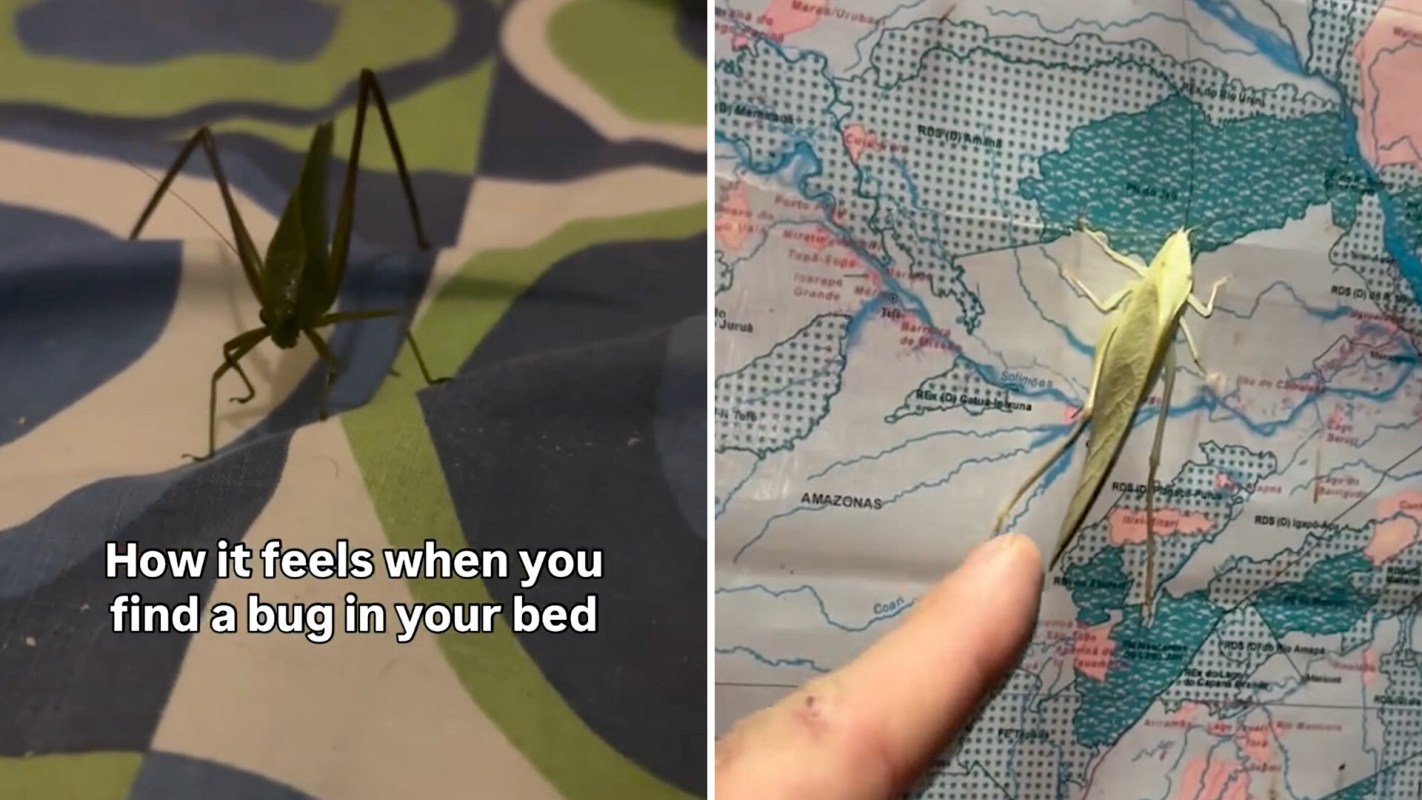
A close-up insect clip is making the case that backyard wildlife can be far more diverse than it first appears.
In one short video, several leaflike katydids look similar at first glance, but each one shows off a different shape, size, and shade of green. The bigger surprise is taxonomic: While many people may group them with grasshoppers, katydids are actually more closely related to crickets.
What's happening?
A video posted to Instagram on Aug. 5 by the creator behind Natural Selections puts several katydids up close and highlights a detail that surprises many people: their nearer relatives are crickets, not grasshoppers.
The caption describes katydids as one of the creator's favorite insect families, says there are more than 6,500 species worldwide, and notes that at least four different species appear in this single clip.
Why does it matter?
Many insects are quickly lumped together or written off as pests, but learning the differences between species can help build a better understanding of local ecosystems.
Katydids are part of the food web, serving as both plant-eaters and prey for birds, reptiles, and other animals. They also tend to be harmless to people, making them a useful example of why not every unfamiliar insect calls for an immediate chemical response.
TCD Picks » Quince Spotlight
💡These best-sellers from Quince deliver affordable, sustainable luxury for all




Recognizing beneficial or low-risk insects can make pest-control choices more thoughtful, rather than relying on broad treatments that affect many species at once.
A single patch of greenery can support more diversity than people realize, even in small outdoor spaces.
What can I do?
One practical step is to pause before identifying an insect by guesswork. Taking a clear photo and comparing features such as antenna length, body shape, and wing pattern can reveal whether you are looking at a katydid, a grasshopper, or something else entirely.
People who want to support more insect life can also make simple, habitat-friendly choices at home. Native plants, a mix of vegetation heights, and reduced use of broad-spectrum pesticides can make gardens more welcoming to insects without requiring a total landscape overhaul.
Watching what appears in your yard over time can help you notice seasonal changes, spot pollinators, and better understand which creatures are simply passing through and which are causing real damage.

Get TCD's free newsletters for easy tips, smart advice, and a chance to earn $5,000 toward home upgrades. To see more stories like this one, change your Google preferences here.






