


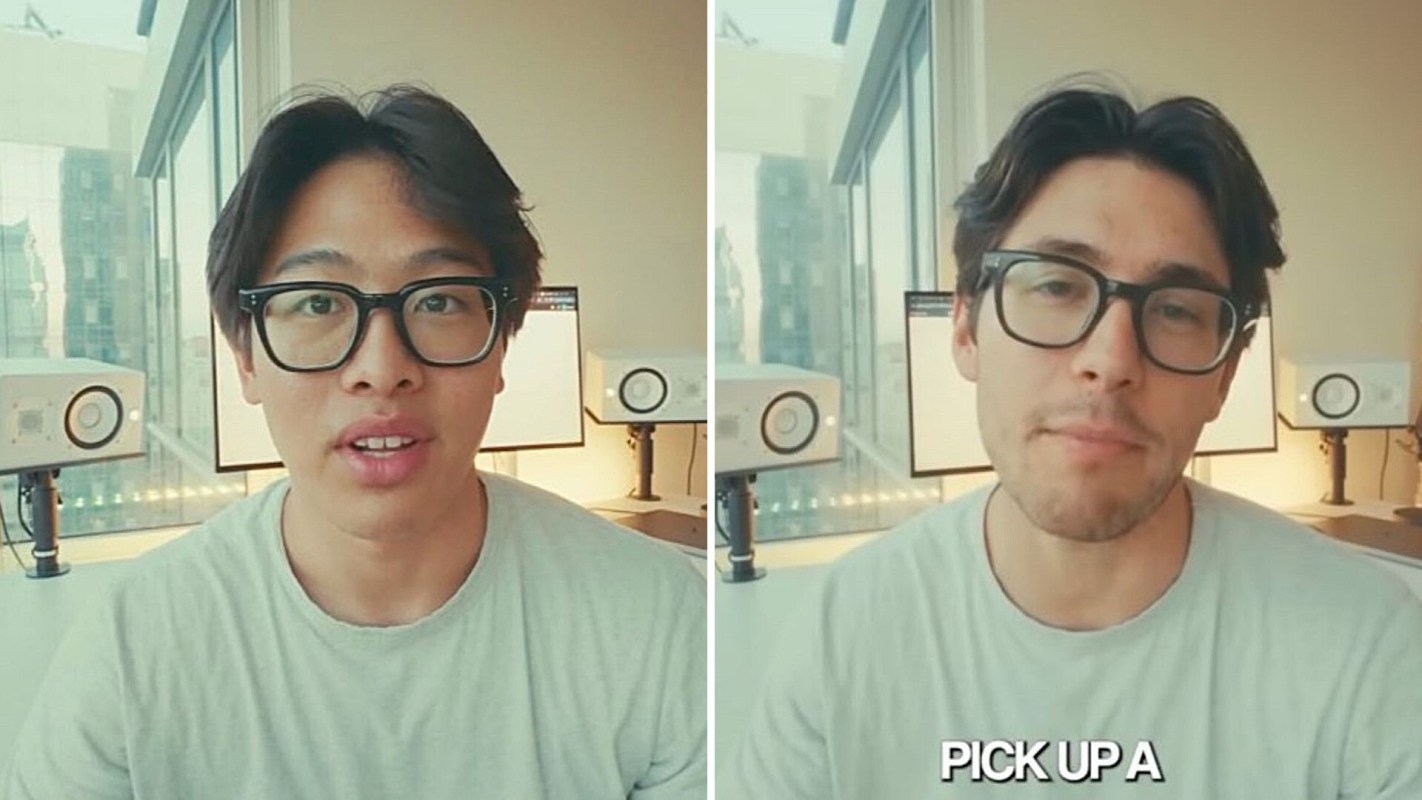
Tech YouTuber Elliott Choy was scrolling YouTube when he saw an ad built from his own footage.
Prediction-market platform Kalshi had copied, altered, and reused his video without his consent, and the changes went far enough that Choy said the ad made him look like a "white dude" who doesn't exist. Kalshi later acknowledged the spot was real.
Here's what to know
According to Futurism, the footage came from a video Choy posted about moving into a New York City apartment. NPR correspondent Bobby Allyn confirmed the ad existed, and a Kalshi representative told him the spot was "old and that they no longer use AI-generated ads," adding that the company is reviewing its relationship with the agency that made it.
Choy said he came across the ad not long after Stanford University drew criticism for digitally erasing a real student from a photo and putting a fabricated Black woman in his place.
More background
AI-copycat videos aren't new. Allyn reported that deepfaked TikTok clips mimicking existing creator content have racked up tens of millions of views, with many tied to scammers rather than established brands.
Hany Farid, a digital forensics expert at the University of California, warned that this kind of manipulation is only getting easier to carry out.
Kalshi has turned to AI-generated marketing before, including an AI-made ad for the NBA Finals that the company said cost just $2,000 to produce.
TCD Picks » Quince Spotlight
💡These best-sellers from Quince deliver affordable, sustainable luxury for all




What's being done?
Kalshi says it has stopped running AI-generated ads like this one and is reassessing its relationship with the agency behind it, per its statement to Allyn.
The company has also brought in higher-profile talent, including actor Timothée Chalamet and Oscar-winning cinematographers, as it distances itself publicly from cheap AI aesthetics, Futurism reported.
Farid told Allyn, "It's the kind of thing that would be super-easy to do with today's AI tools and something that would easily slip through the content moderation cracks."
Where can I learn more?
These articles dig into the same concerns around AI-generated media, consent, and altered identity in ads and online video. They look at scammers mimicking creators, brands using AI models, viral campaigns that blur reality, and the growing backlash over the technology's broader costs.
• Online scammers used gen AI to replace a real creator in stolen video clips.
• Fast-fashion giant Mango faced backlash after replacing human models with AI in campaigns.
• A viral campaign blurred fact and fiction while attacking Elon Musk and Jeff Bezos.
• An AI short film on Reddit stoked fears about Hollywood even as viewers praised it.
• Public anger is mounting as AI threatens jobs and resources while security worries grow.

Get TCD's free newsletters for easy tips, smart advice, and a chance to earn $5,000 toward home upgrades. To see more stories like this one, change your Google preferences here.






