


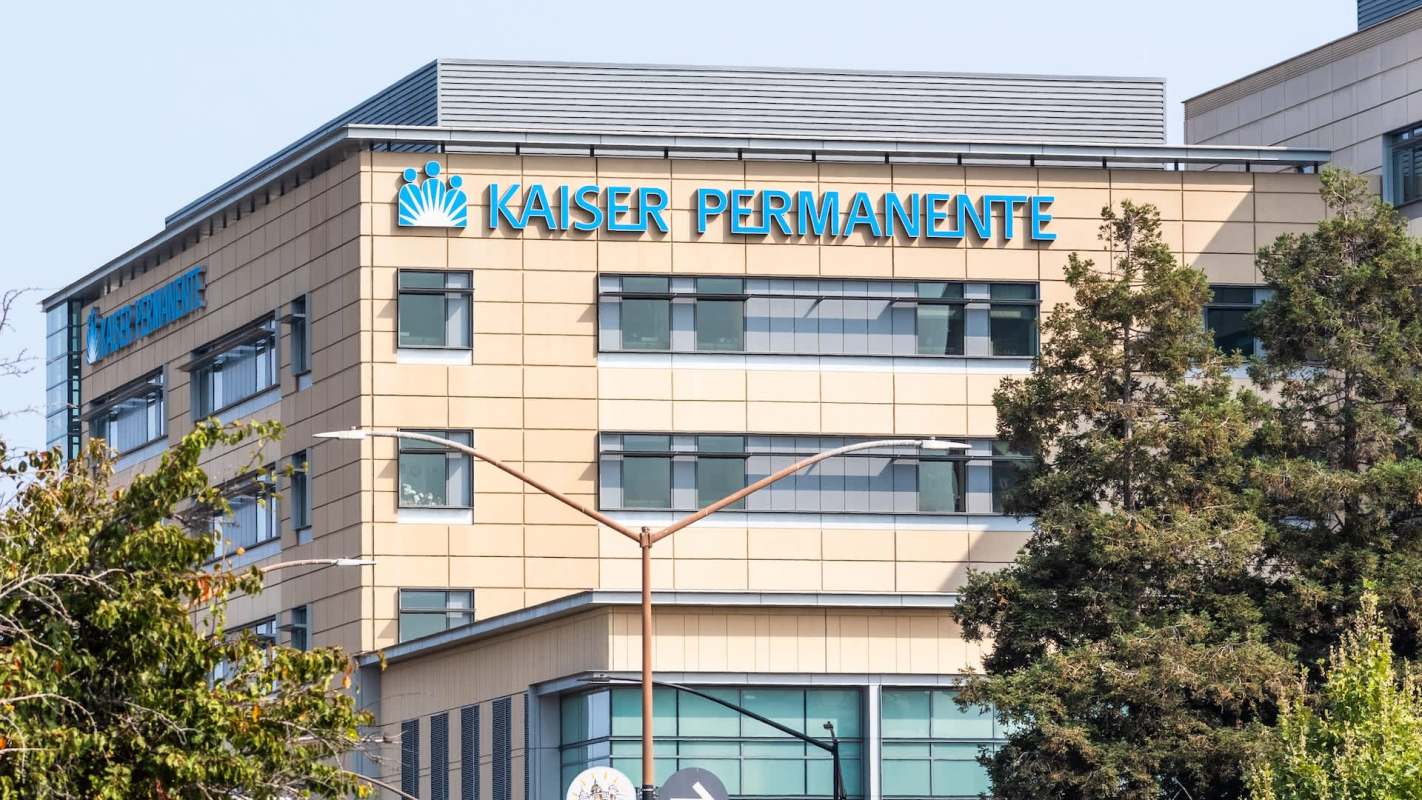
Nurses at Kaiser Permanente in California say brief-call expectations and artificial intelligence systems that rate productivity, tone, and empathy are getting in the way of safe, compassionate patient care.
The dispute is emerging as the state's largest private employer heads into contract talks, where AI is expected to be a major issue.
What's happening?
As CalMatters reported, seven current and former Kaiser nurses said management routinely scrutinizes calls that exceed 15 minutes, including those involving patients in crisis, complex symptoms, or language interpretation.
Those complaints come as the California Nurses Association negotiates on behalf of 25,000 Kaiser nurses — roughly 1,000 of them in call centers — after nurses held AI-related protests and a one-day strike earlier this year.
One example came from Raquel Alvarez Sanchez, a Kaiser Permanente advice nurse in Vallejo and union steward, who said she stayed on the phone with a suicidal patient for more than an hour until police arrived.
"I think at some point all of the nurses have been talked to about their average handle time," she said. "The only thing I can think of is they're doing it for profit."
TCD Picks » Quince Spotlight
💡These best-sellers from Quince deliver affordable, sustainable luxury for all




Kaiser disputes those claims. Spokesperson Vincent Staupe said, "Kaiser Permanente does not use Average Handle Time to assess agent performance or enforce call time metrics," adding that any tools used in contact centers have "human review and oversight."
Why does it matter?
For many patients, an advice line is the front door to care.
Nurses said constant scripts, pressure to keep calls short, and back-to-back call volume can make it harder to comfort someone after a terminal diagnosis, notice subtle warning signs, or clearly explain care to new parents and people managing chronic illnesses, according to CalMatters.
For Charlotte Capulong, a nurse who has worked in call centers for 22 years, the difference is obvious: "You aren't calling Comcast. We're dealing with life here."
In hospitals and clinics, these systems can potentially help identify high-risk patients, reduce paperwork, and improve scheduling. But they can also reinforce harmful incentives, make workers feel more stressed and less trusted, introduce privacy and security risks, and consume significant electricity and water through the data centers that power them.
Research cited in the report suggests that heavy electronic monitoring can leave workers more emotionally drained and more vulnerable to stress-related mistakes in healthcare settings.
What's being done?
California lawmakers are considering several bills aimed at regulating AI in the workplace.
Among them is a proposal that, according to CalMatters, would protect doctors and nurses from retaliation for rejecting automated care recommendations. Another bill would prohibit employers from using AI to infer workers' emotional states.
In bargaining with Kaiser, union leaders say nurses want clearer information about new technology, more advance notice before systems are introduced, and stronger safeguards for professional judgment.
The union previously pushed back against an AI tool that rated empathy and tone, and while that pilot ended in late 2024, union representatives say it could return.
Technology may help healthcare systems operate more efficiently, but nurses argue it should support care — not replace compassion.
"I'm not against the use of AI as long as it's beneficial to the patient," said Kaiser nurse Pa Vue, per CalMatters. "Kaiser is forgetting we aren't just a call center for customer support, we're nurses, and we're there to take care of patients."

Get TCD's free newsletters for easy tips, smart advice, and a chance to earn $5,000 toward home upgrades. To see more stories like this one, change your Google preferences here.






