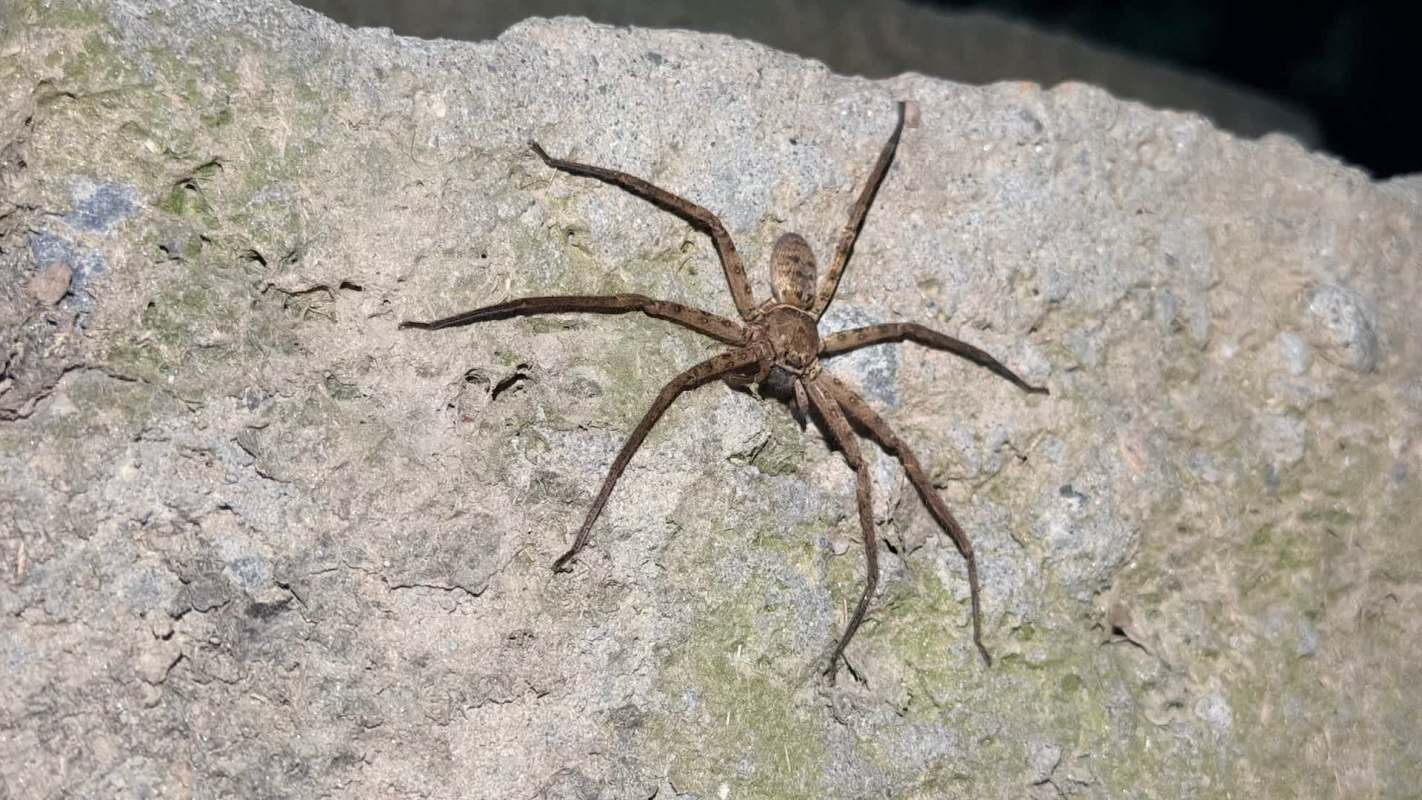
Speed records are not usually associated with spiders, but one species from Australia has just raced into the spotlight: the jungle huntsman, already known for its large size and agility, has now been identified as the fastest-running spider ever recorded.
What happened?
In the new research shared by People Magazine, the Queensland-native Australian jungle huntsman, Heteropoda jugulans, was measured at about 8 mph (3.59 meters per second), giving it the title of the world's fastest spider.
According to the outlet, the result came from a study on how spider body form relates to running speed, led by researchers from the University of Greifswald and Imperial College London who tested 236 spiders from 162 species.
The team worked with spiders collected from the United Kingdom, Australia, North America, and southern Europe, getting them to cross grid paper with paintbrushes and bursts of compressed air.
The findings also reopen the question of the previous record-holder. Although the Moroccan flic-flac spider is well known for its rapid escape behavior, the researchers said its rolling maneuver should not be counted as running in the same way.
Why does it matter?
The research was about more than naming a new champion. It also found that faster speeds were more strongly associated with longer legs than with slimmer body shapes, offering a clearer view of how anatomy affects movement in nature.
TCD Picks » Good Store Spotlight
Get 10% off your next purchase with code TCD10




According to People Magazine, scientists often use findings like these to better understand evolution, behavior, and how animals adapt to their surroundings. Insights into efficient movement can also help inform fields such as engineering and robotics, where researchers frequently look to nature for inspiration.
By testing hundreds of spiders rather than focusing on just one well-known species, the team was able to identify broader patterns.
That kind of comparative research can help scientists refine how they classify animal behavior.
When talking with New Scientist, the researchers behind the study shared more information about the obstacles they faced when working with the arachnids.
"This project would have been over in a month if spiders could understand English," lead researcher Shreyas Kuchibhotla stated to New Scientist. "Tarantulas aren't built for running; they'd much rather stand their ground."

Get TCD's free newsletters for easy tips, smart advice, and a chance to earn $5,000 toward home upgrades. To see more stories like this one, change your Google preferences here.