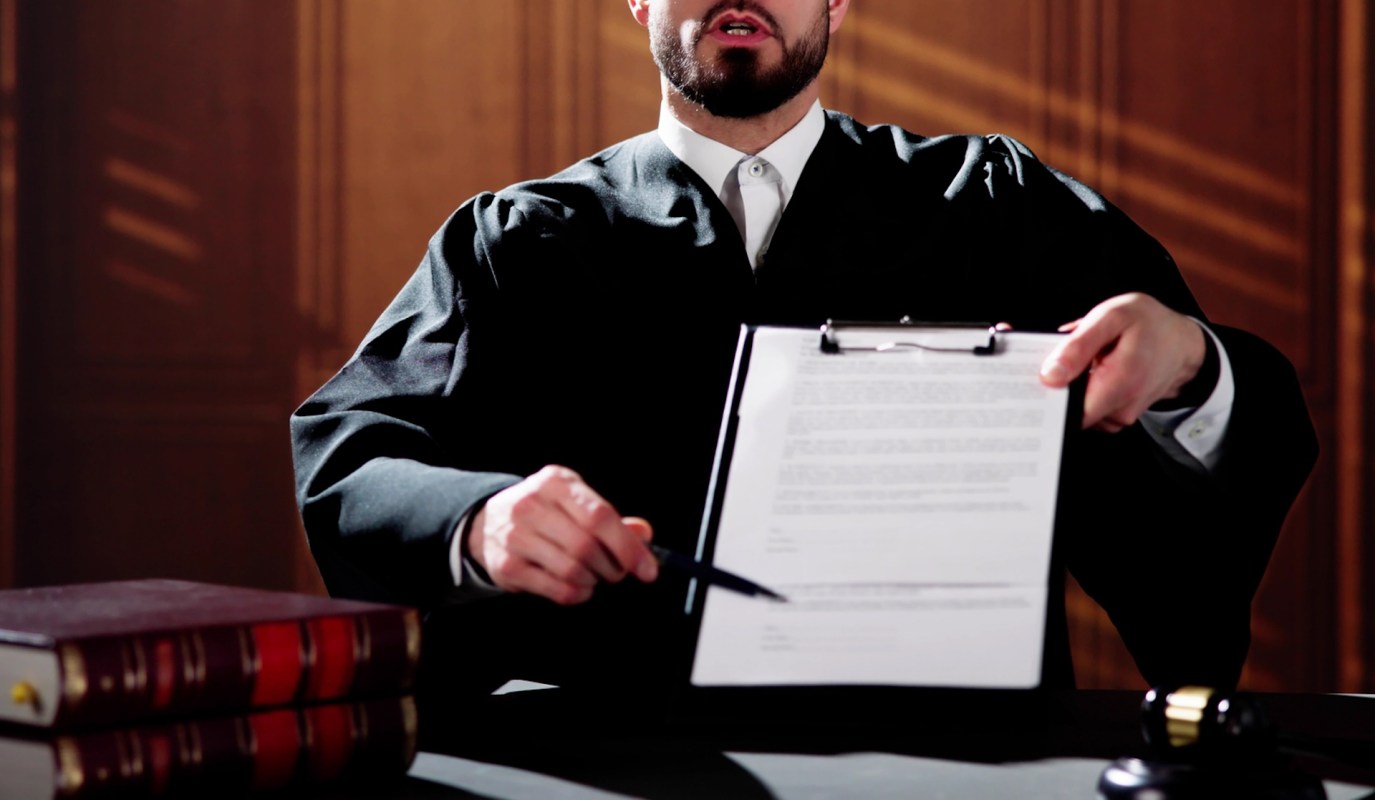
A Mississippi federal judge has provided one of the starkest examples yet of AI's dangers in the courtroom, showing that filings stuffed with made-up case citations can put an entire case at risk.
What happened?
As 404 Media first reported, cited by Gizmodo, the dispute involving attorney Tom Withers and Aberdeen, Mississippi, escalated after lawyers for both parties said they had used AI-assisted research and filed documents containing false information.
Withers had filed suit over allegedly unpaid legal fees. According to a court filing cited by 404 Media, his two lawyers acknowledged that they submitted AI-generated material before verifying it. Aberdeen's lawyers had done the same, leaving the court to deal with inaccurate AI-assisted filings from both sides.
Why does it matter?
When lawyers submit inaccurate or unsupported material, it can delay proceedings, drain public resources, and drive up costs for both clients and taxpayers.
Courts are already under heavy strain, and judges are now being forced to spend additional time determining whether filings include fake citations generated by AI systems. That can mean longer waits for hearings, rulings, and final resolutions for others whose cases are moving through the same system.
What's being done?
Senior U.S. District Judge Sharion Aycock responded with sanctions. 404 Media reported that she paused the case, took the trial off the calendar for now, removed all four lawyers from the matter, and fined them between $1,000 and $3,500. One lawyer from each side was also barred from appearing before the court for two years.
TCD Picks » Quince Spotlight
💡These best-sellers from Quince deliver affordable, sustainable luxury for all




"This case presents the Court with an unusual scenario—attorneys for both litigants engaged in similar sanctionable conduct," Aycock wrote in the sanctions order. "This court is yet again 'burdened with addressing AI hallucinations court filings.'"
404 Media reported that law researcher Damien Charlotin says he has tracked 1,598 matters involving AI-made citations in legal filings. AI tools can produce responses that sound polished and authoritative yet be entirely wrong, including in legal, medical, and financial contexts.

Get TCD's free newsletters for easy tips, smart advice, and a chance to earn $5,000 toward home upgrades. To see more stories like this one, change your Google preferences here.