


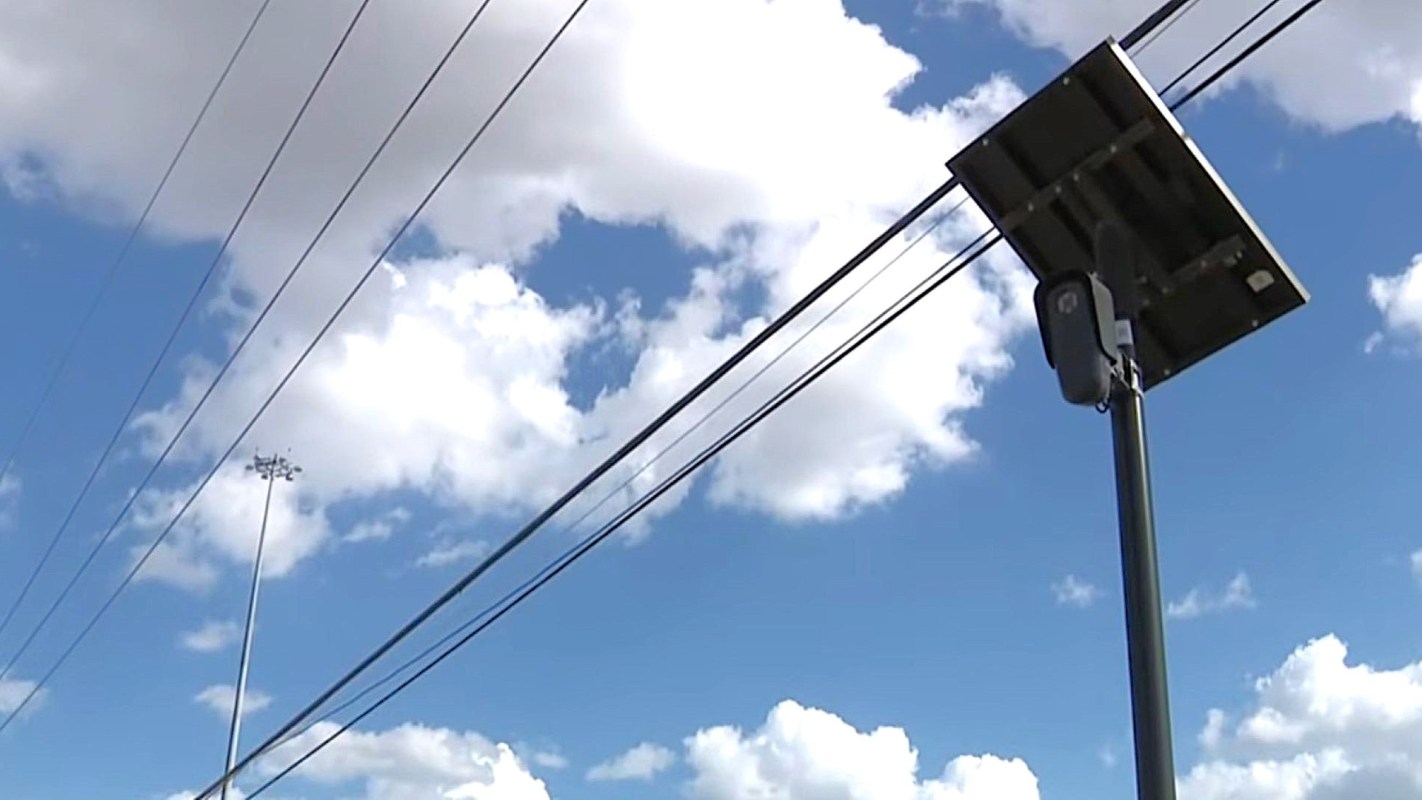
Long before automated license plate reader cameras became a common sight at intersections, the small city of Jersey Village, Texas, helped launch the now-controversial wave of Flock cameras.
As KPRC2 reported, the city's early embrace of Flock cameras may have strengthened police investigations, but it also offered an early glimpse of a more heavily monitored future that many residents view with unease.
Here's what to know
The station detailed how Jersey Village, a small city northwest of Houston with fewer than 8,000 residents, approved Flock Safety cameras all the way back in 2018.
Jersey Village police chief Danny Keele told KPRC2 there are 58 of them in the city. For a place that size, that figure stands out.
Keele said Jersey Village has roughly as many cameras as bigger Houston-area cities such as Conroe and League City, each with populations near 120,000. Flock Safety CEO Garrett Langley said the city was an important early example of the company's move from neighborhood use into law enforcement.
Speaking with sister station WDIV, Langley recalled the city asking, "Can we buy it for the major intersections of the city?" He said Flock agreed, and the technology has since "become quite prolific."
TCD Picks » Quince Spotlight
💡These best-sellers from Quince deliver affordable, sustainable luxury for all




Keele told KPRC2 the number of residents in Jersey Village understates how much traffic the city handles. He pointed to Jones Road, where more than 140,000 vehicles can pass through in a day, as a reason officers use tools that can help identify vehicles connected to crimes or thefts.
More background
Automated license plate readers gather information from passing vehicles, giving police searchable records that can speed up investigations. Keele noted that the cameras are especially useful when paired with surveillance footage from homes and businesses to identify suspect vehicles faster.
The same technology that may help recover a stolen vehicle, however, also brings up larger concerns about privacy, oversight, and how much everyday monitoring a community should accept.
That split was reflected in comments from people interviewed in Jersey Village by KPRC2.
"It's good to be able to have data to be able to solve crimes and so forth," resident William Bludworth told the station. "But on the other hand, Big Brother just keeps creeping in."
Vanessa Melton, a Houston resident who regularly visits Jersey Village, said, "I think it is a violation of our privacy. It's totally taking away more of our rights."
What's being done?
Keele said Jersey Village has avoided the kind of alleged misuse that has brought scrutiny to some other Houston-area law enforcement agencies using license plate reader databases.
Even so, he conceded that systems that collect sensitive driver information need firm safeguards, such as strong department policy, employee training, and reviews to verify proper police use. He also said Jersey Village keeps Flock data for 30 days.
What started with a city of 8,000 is now a major news item seemingly everywhere. Nationwide, residents are now greeting Flock cameras with suspicion, even covering cameras as a sign of rebellion. More concrete moves from local councils include canceled contracts.
The company, for its part, said it is working on fixes to curb abuse of the tech.

Get TCD's free newsletters for easy tips, smart advice, and a chance to earn $5,000 toward home upgrades. To see more stories like this one, change your Google preferences here.







