


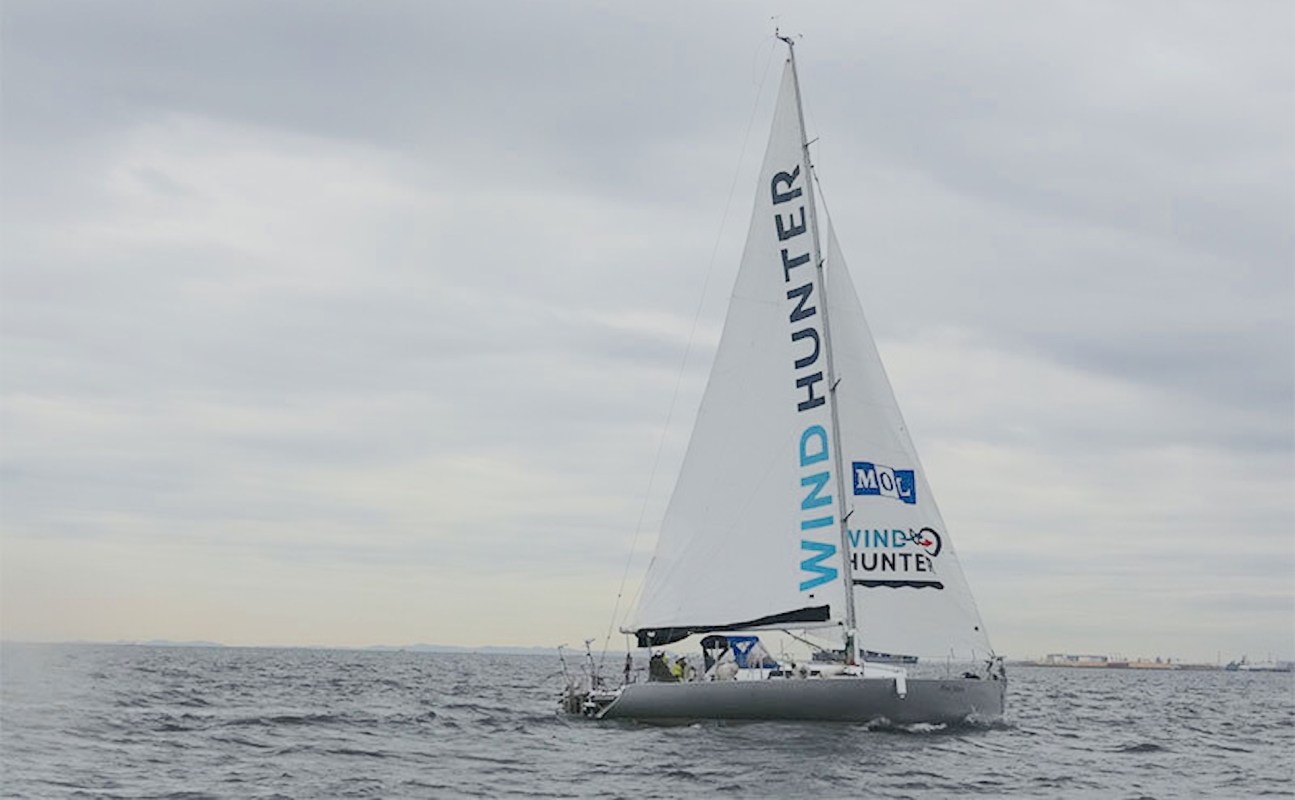
Japan's Winz Maru is a model for clean transportation on the water. The yacht can turn seawater into its own hydrogen fuel and later deliver excess energy back to shore.
The vessel suggests future ships may not need to depend on conventional refueling stops in the same way they do now.
What happened?
The yacht was developed through Japanese shipping giant Mitsui O.S.K. Lines' Wind Hunter Project, according to Supercar Blondie. While sailing, it uses wind and other onboard renewable systems to generate electricity instead of relying on diesel or gasoline.
That power can then be used to separate purified seawater through electrolysis and create hydrogen. The fuel can be stored for onboard use, and surplus hydrogen can be taken back to land instead of going unused.
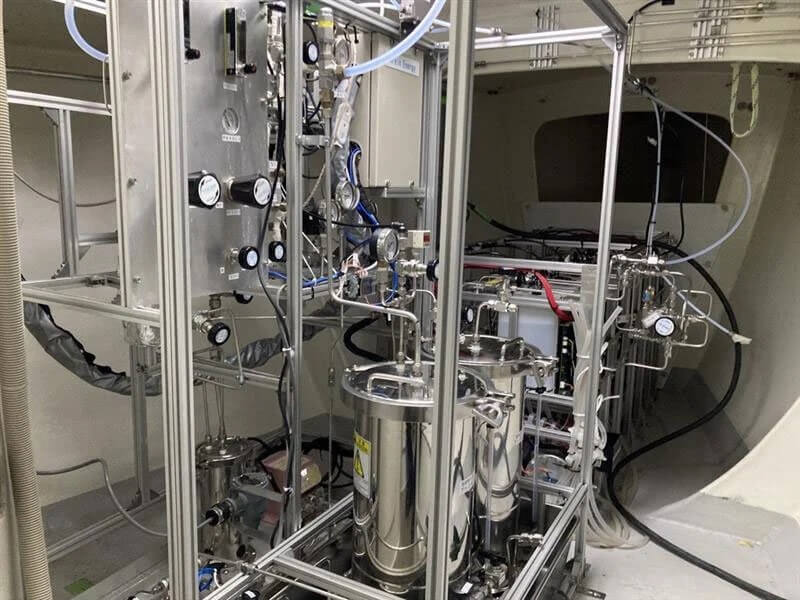
MOL said tests conducted from 2021 to 2023 showed the onboard production, storage, and use cycle could work. For safer, more practical transport, the hydrogen is converted into methylcyclohexane, a liquid form that is easier to handle than hydrogen gas. The project also delivered green hydrogen produced while sailing for use on land in Tokyo Bay in March 2025.
Why does it matter?
Shipping plays a major role in logistics, moving everything from food to electronics, but it also requires enormous amounts of fuel and produces harmful pollution. A vessel that can create its own cleaner fuel from seawater could help reduce planet-warming emissions while also cutting dirty air around ports and coastal cities.
TCD Picks » Quince Spotlight
💡These best-sellers from Quince deliver affordable, sustainable luxury for all




That could mean healthier communities, especially for people living near busy shipping hubs, where exhaust from large vessels can worsen breathing problems and other health risks. It could also make companies less vulnerable to volatile fuel prices, which can ripple through supply chains and raise costs for consumers.
The idea may have uses beyond transportation. If ships can produce clean fuel at sea and bring it to places that need it, they could eventually help support communities. Winz Maru is an early test of whether boats can take on that kind of mobile clean-energy role.
What are people saying?
MOL said the project "successfully demonstrated the entire cycle of hydrogen production, storage, and onboard utilization" during its trials.
MOL described the March 2025 Tokyo Bay delivery as a "world first," referring to the green hydrogen that had been produced onboard during sailing before being used on land.
The company's longer-term goal is to bring larger hydrogen-producing ships to market in the 2030s.

Get TCD's free newsletters for easy tips, smart advice, and a chance to earn $5,000 toward home upgrades. To see more stories like this one, change your Google preferences here.






