


Japan is shifting its wildfire response in Indonesia by moving one of its three CH-47 Chinook helicopters to a ship off West Kalimantan, creating a second operating base after thick smoke delayed the mission's start.
Launching from another location could shorten trips to fire zones in a province where peatland fires can continue burning beneath the surface and send haze into nearby communities.
Here's what to know
According to AeroTime, the Japan Maritime Self-Defense Force transport ship JS Kunisaki arrived off Ketapang in West Kalimantan on September 21 with a Japan Ground Self-Defense Force CH-47 onboard. Once final preparations are complete, the helicopter is expected to begin firefighting operations.
Japan will keep two CH-47s flying from Kijing Port, north of Pontianak, while the helicopter aboard JS Kunisaki operates farther south. Instead of launching everything from a single coastal site, the detachment can now work from two points in a large province where fires may be spread out and hard to access.
@channelnewsasia Japan's Self-Defense Forces began aerial firefighting operations in Indonesia on Wednesday (Sep 16) after delays due to poor air quality and visibility. The country deployed three CH-47 helicopters to retrieve and release river water over widespread forest and land fires in Pontianak. #japannews #japan #indonesia #indonesianews ♬ original sound - CNA
The deployment was authorized on August 28 through Japan's international disaster relief framework, which sent three helicopters and a transport ship. It is also being carried out under a May 2026 defense cooperation arrangement with Indonesia that includes humanitarian assistance and disaster relief.
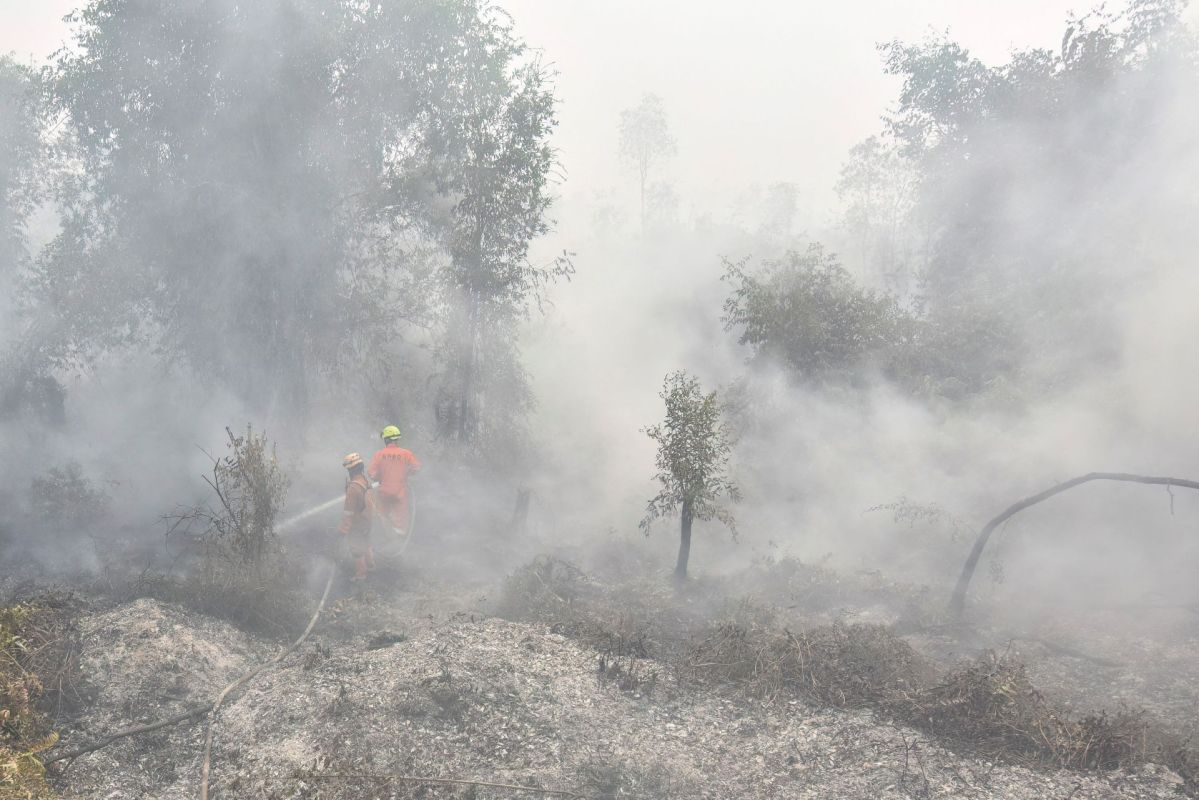
Early operations were hampered by conditions after the ship arrived at Kijing Port on September 10, as smoke and low visibility kept crews grounded. Jiji Press reported that the first water drops did not take place until September 16, when crews used underslung buckets to scoop river water.
TCD Picks » Quince Spotlight
💡These best-sellers from Quince deliver affordable, sustainable luxury for all




More background
Indonesia has designated West Kalimantan as one of six priority provinces in its national firefighting effort. BNPB, the country's disaster management agency, said 103,784 acres (42,000 hectares) had burned in the province by September 15, with 19 hotspots still active as of September 21.
These fires can remain active even after surface flames seem to be out, because embers may keep smoldering underground. That makes full suppression more difficult and can allow smoke to hang over nearby areas longer.
Haze can also disrupt daily life for families, farmers, and workers in fire-prone regions by worsening air quality and complicating emergency response.
The CH-47 is a mainstay of the JGSDF's heavy-lift helicopter fleet. Kawasaki Heavy Industries has produced the aircraft in Japan under license since the 1980s.
What's being done?
Repositioning JS Kunisaki from Kijing to waters off Ketapang is the clearest sign yet that the response is adapting to conditions on the ground. By splitting aircraft between two operating areas, crews should be better able to cover more territory and react faster as hotspots shift.
When JS Kunisaki, an Osumi-class landing ship, departed Japan on August 30, all three helicopters were aboard, effectively giving the mission a mobile support base.
Donating money to climate causes is one way to support organizations working on prevention, response, and recovery tied to disasters like this.
Japan's Ministry of Defense said the deployment is the "first overseas firefighting operation conducted by Japan's Self-Defense Forces" and that its forces would "continue supporting Indonesia's firefighting efforts to prevent the damage from spreading."

Get TCD's free newsletters for easy tips, smart advice, and a chance to earn $5,000 toward home upgrades. To see more stories like this one, change your Google preferences here.






