


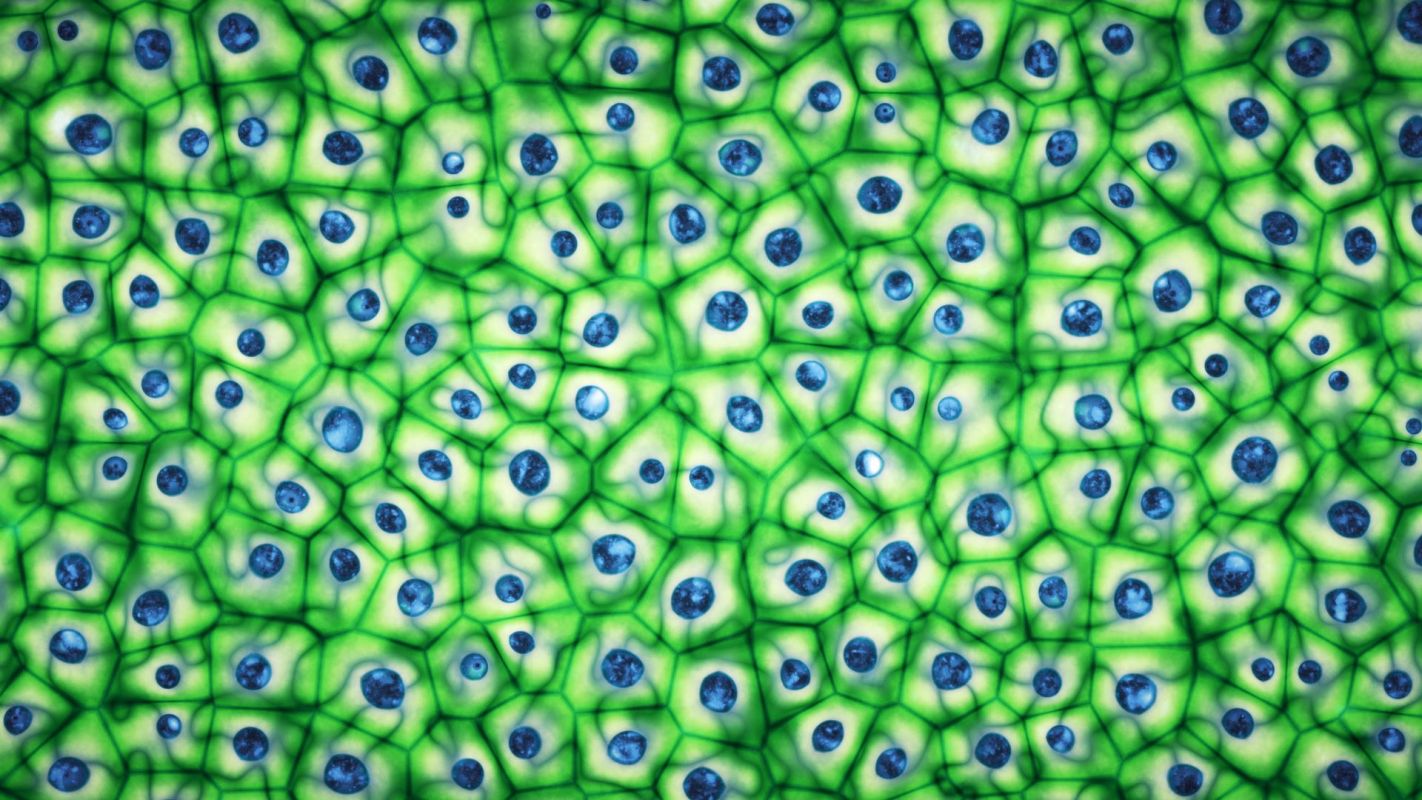
Scientists in Japan have created hybrid "planimal" cells that retained algae DNA for 155 cell generations, bringing together organisms that diverged over a billion years ago.
Here's what to know
A University of Tokyo-led team used the red alga Cyanidioschyzon merolae to create hybrids with hamster-derived mammalian cells, according to Popular Mechanics. The study, published in the journal Nature Communications, tested whether chromosomes from this distant relative could enter animal cells and remain there.
To combine the two sets of DNA, the researchers allowed the hamster cells to engulf the algae. Cell fusion then produced stable hybrid cells, which the team examined using advanced imaging and genome sequencing. The results showed that the hybrid cells retained 16.3 million algal DNA base pairs, including intact sequences representing each of the alga's 20 chromosomes.
Senior study author Sachihiro Matsunaga, a University of Tokyo biologist, and his colleagues also examined inheritance during mammalian cell division, checking whether daughter cells received the foreign genetic material.
More background
The chloroplast, which enables photosynthesis in plants and algae, evolved from a cyanobacterium engulfed by a cell with a nucleus roughly 1.5 billion years ago, according to Popular Mechanics. That ancient event offered a parallel to the new experiment.
The new research examined genetic exchange between organisms outside the parent-to-offspring route, a process called "horizontal gene transfer." Bacteria commonly exchange genetic material this way, sharing antibiotic-resistance genes that help create drug-resistant infections. However, the Tokyo team sought to investigate this process across the much greater evolutionary distance between algae and mammals.
TCD Picks » Quince Spotlight
💡These best-sellers from Quince deliver affordable, sustainable luxury for all




"Plants and animals cannot reproduce with each other, so their chromosomes are never combined through mating," Matsunaga explained in a press statement quoted by Popular Mechanics. "Yet, we have succeeded in creating hybrid chromosomes containing genetic material from both an alga and a mammal. This demonstrates that even the vast evolutionary divide between plants and animals can be crossed at the level of chromosomes, without reproduction."
How it works
The researchers identified a mechanism behind the hybrid cells' survival: the mammalian host's ability to silence incoming DNA through epigenetic controls. The study's authors estimated that roughly 96% of the algae's protein-coding genes were effectively switched off.
However, the researchers ultimately hoped to be able to pass along activated genes and their associated benefits.
"Our ultimate goal is to activate these biological pathways and give animal cells some of the unique abilities of plants and algae," Matsunaga said in the press statement. "Imagine animal cells that could sustain photosynthesis for long periods, producing oxygen while using carbon dioxide to make useful organic compounds."

Get TCD's free newsletters for easy tips, smart advice, and a chance to earn $5,000 toward home upgrades. To see more stories like this one, change your Google preferences here.






