


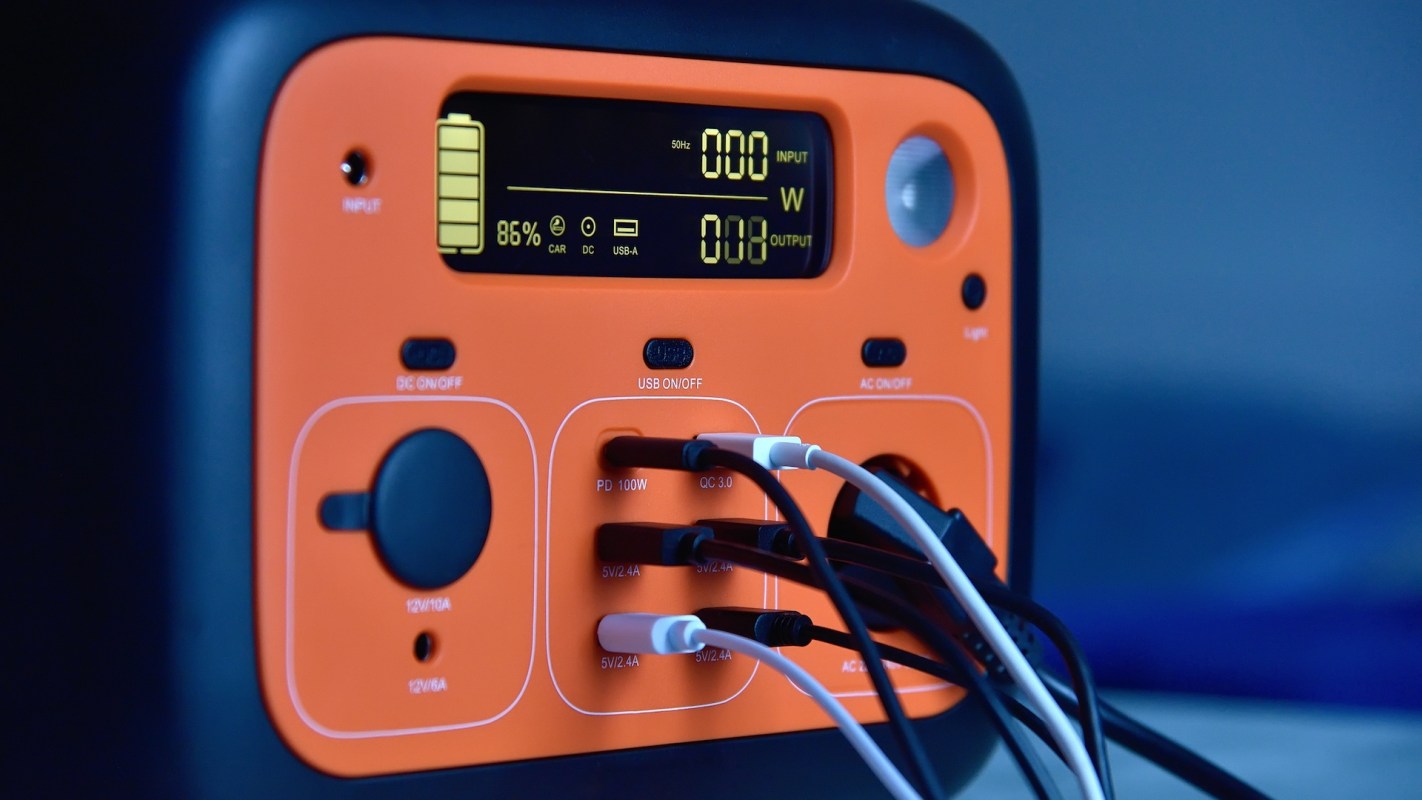
For renters facing rising utility bills, portable batteries and small solar setups are becoming part of regular money-saving conversations and are no longer just emergency gear tucked away for blackouts.
One renter took to Reddit's r/TwoXPreppers subreddit to ask whether a solar generator can help with regular utility bills in addition to being a backup power solution.
Here's what to know
In the Reddit thread, the original poster wrote, "I'm thinking about spending a large chunk of my meager savings on getting one of the larger jackery solar generators (looking at the homepower 3000), and since the price of everyday electricity is increasing so much, it just occurred to me that maybe using it more regularly rather than just saving for Tuesday might be supportive in these times?
OP then asked, "Wondering if anyone else is doing this, or what y'all think about this idea?"
Several replies focused on the difference between a portable backup battery and a system meant to trim a utility bill.
Commenters generally said the idea could make sense, but one person suggested looking beyond Jackery for this specific use case, writing, "What you want [to] look into is called balcony solar." That same commenter contrasted OP's options by saying, "This system is designed to be a backup battery you can plug loads into in the event of a power outage or just to power them with the sun," and noted that "Balcony solar will plug into an outdoor outlet and can offset the electric bill."
Another commenter offered a real-world example of monthly savings, saying, "I use the setup to run a window air conditioner in the summer. Knocks about $80.00 a month off my July and August electric bill."
One user added, "I bought one for backup power and then realized if I changed my electric billing method to time of use and used it during peak hours, I would save money. So far, I pay about $100 less per month. It recharges overnight when rates are lowest."
Save $10,000 on solar panels without even sharing your phone number Want to go solar but not sure who to trust? EnergySage has your back with free and transparent quotes from fully vetted providers that can help you save as much as $10k on installation. To get started, just answer a few questions about your home — no phone number required. Within a day or two, EnergySage will email you the best local options for your needs, and their expert advisers can help you compare quotes and pick a winner. |

Balcony solar panel setups aren't legal for renters in every state, though. Despite the nationwide push to legalize these systems, many states still prohibit them. To see the status of balcony solar setups in your area, check out Bright Saver's Balcony Solar Legislation map.
More background
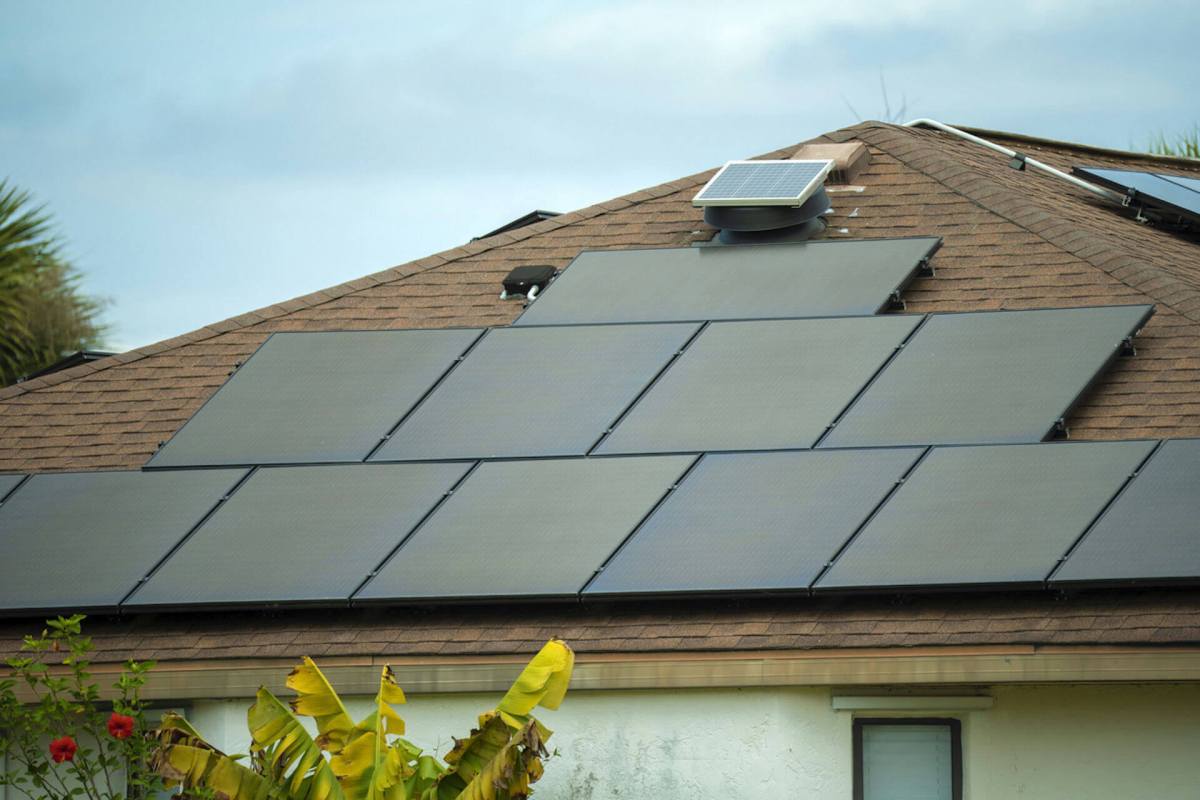
Because renters often cannot add hardwired solar equipment, smaller-scale options like portable batteries, folding panels, and balcony systems may be the more practical starting point.
For households that can install rooftop panels, though, going solar is one of the best ways to save money on home energy over time. It can be worth exploring EnergySage to get free solar installation estimates and compare quotes.
With EnergySage's help, the average person can save up to $10,000 on solar purchases and installations. And adding battery storage to a solar setup is one of the best ways to protect your home during outages, save money on energy, and go off-grid. Readers interested in that option too can also explore EnergySage for information about home battery storage options, including competitive installation estimates.
More From EnergySage
💡Go deep on the latest news and trends shaping the residential solar landscape


Where can I learn more?
These articles cover renter energy savings, solar payback, efficient apartments, and lower-cost ways to stay cool.
• Renters can cut utility costs with community solar and peak-hour strategies when rooftop panels are not possible.
• One renter said they paid one electric bill after going solar roughly 10 years ago.
• In one ultralow-energy apartment building, renters never have to pay separate energy bills.

Get TCD's free newsletters for easy tips, smart advice, and a chance to earn $5,000 toward home upgrades. To see more stories like this one, change your Google preferences here.






