


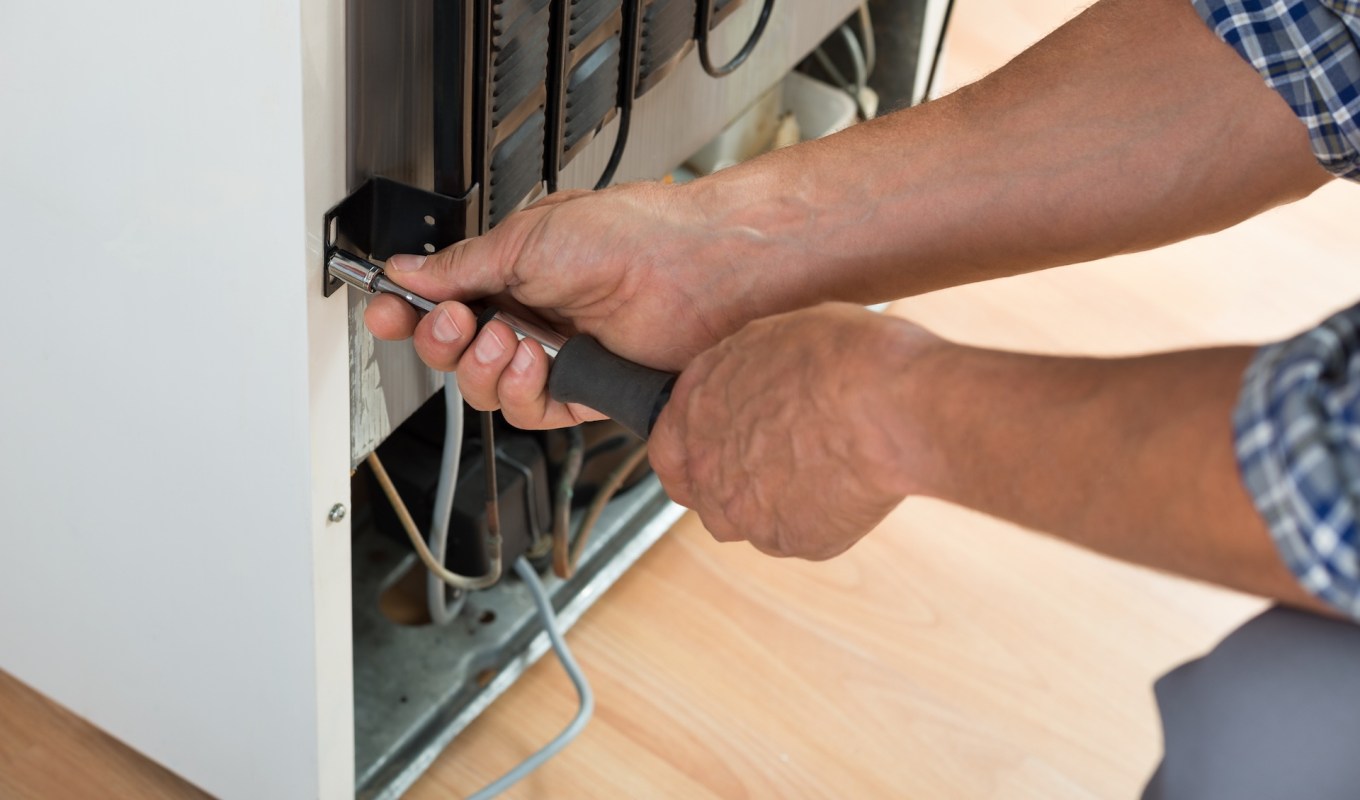
A Jackery owner testing an Explorer 2000 V2 with a refrigerator ran into a problem that would have been easy to miss at first glance: The voltage looked normal, but the fridge motor did not sound right.
The issue wasn't insufficient power, but the wrong frequency setting. The portable power station showed 119 VAC but output 50Hz instead of the 60Hz listed on the refrigerator's data plate.
Here's what to know
In a Reddit post on r/Jackery, the owner described trying an Explorer 2000 V2 on a refrigerator for the first time and found that the battery's AC output settings didn't match what the appliance required.
The label inside the refrigerator listed 115 VAC and 60 Hz, while the power station was at about 119 VAC and 50 Hz.
The refrigerator did start up, but how it ran signaled something was off. The OP said, "The motor did not sound right on the fridge" while it was on battery power, and the noise disappeared once the appliance was plugged back into household AC.
One user pointed to the likely explanation, writing that "50hz is not standard for the US, you must have accidentally changed it. Press and hold the AC output button for approximately 10 seconds to switch between 50Hz and 60Hz." The OP later confirmed that the fix worked.
TCD Picks » Quince Spotlight
💡These best-sellers from Quince deliver affordable, sustainable luxury for all




Running that kind of test before an outage can expose a setting issue before it strains the appliance or leaves a refrigerator full of food without dependable cooling.
More background
At a glance, the output seemed fine. Plenty of buyers would stop at the 119 VAC number, but this case showed that the 50 Hz versus 60 Hz setting can matter just as much for a motor-driven appliance such as a refrigerator.
The discussion also raised a question about the paperwork shipped with the unit. After finding the fix, the OP said, "Jackery must have sent the 'lite' version of the manual with my unit. There's nothing in it referring to the 50/60 hz switch."
If that feature is not clearly documented, some users may not realize it is available until they run into a problem.
Another user echoed that concern: "You're right. I've never seen it in any of the manuals."
Even if the setting rarely changes, an easy-to-overlook frequency toggle can make a significant difference when preparing for an emergency.
Finding the noisy motor during a test run is far less costly than discovering a compatibility problem during a blackout, when improper operation could spoil groceries or cause a service issue.
What can be done?
Pairing a portable power station with the exact appliance it is meant to support can reveal issues that a voltage reading alone does not. In this case, the Explorer 2000 V2 powered the refrigerator, but the motor's sound made it clear something was still off despite the seemingly acceptable 119 VAC reading.
The requirement was easy to verify because the plate inside the door specified 115 VAC and 60hz.
For this unit, holding the AC button switches the output between 50Hz and 60Hz. A user said that takes "approximately 10 seconds," and the OP reported that the frequency change immediately resolved the noise issue.
If a printed booklet doesn't mention the feature, check the device's output settings directly before relying on it during an outage. A few minutes of testing can help protect both the appliance and the food inside it.
The thread ended with the OP confirming the fix: "Found it!! Press and hold the AC button to toggle between 50hz and 60hz. No more noisy motor!"
Where can I learn more?
Odd refrigerator noises can also point to routine maintenance problems. These stories cover hidden fridge trouble spots, simple upkeep, and small fixes that can affect performance and energy use.
• One homeowner found that a neglected refrigerator part made the appliance sound totally different once cleaned.
• Homeowners said a simple fridge maintenance tip can cut wasted energy in about 10 minutes.
• A woman discovered your fridge may be costing more than expected until the coils were cleaned.
• An appliance expert warned that common fridge mistakes can shorten lifespan and waste money.

Get TCD's free newsletters for easy tips, smart advice, and a chance to earn $5,000 toward home upgrades. To see more stories like this one, change your Google preferences here.






