


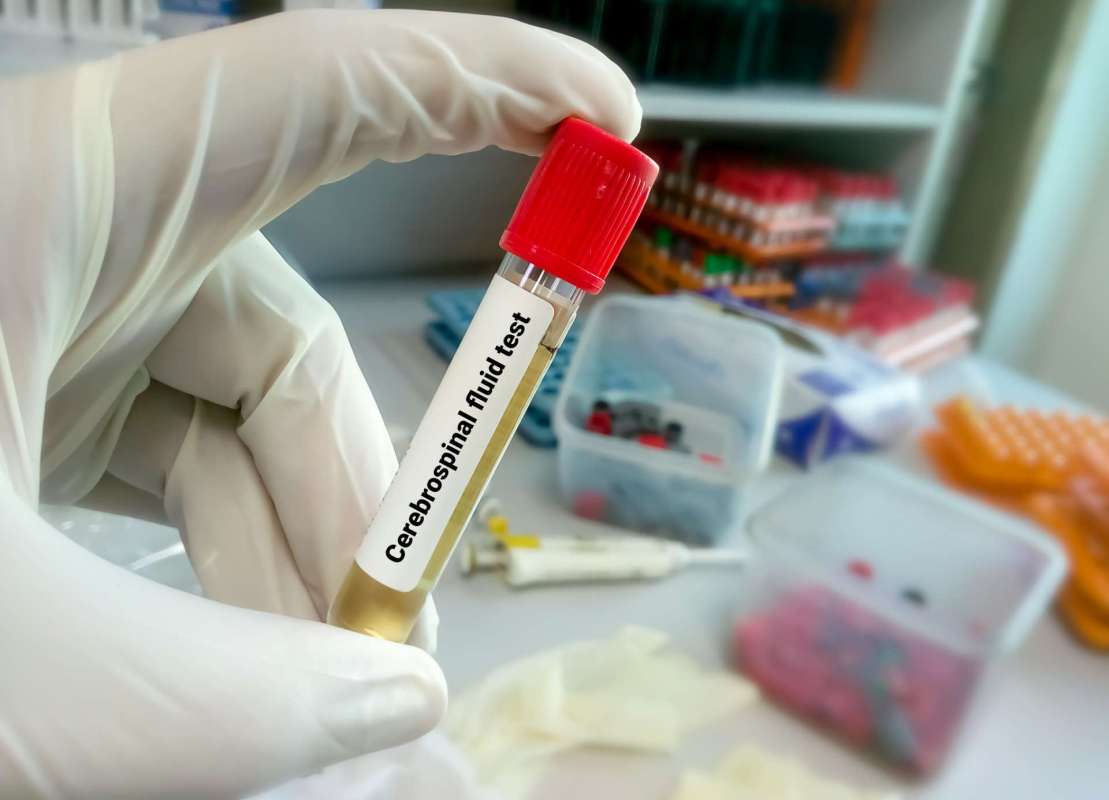
A new study from Italy is adding to growing concern about the tiny plastic particles that have turned up throughout the human body — this time in an especially sensitive place: the central nervous system.
Researchers detected higher levels of nano- and microplastics in the cerebrospinal fluid of people with amyotrophic lateral sclerosis (ALS) than in those without neurological disease, according to Türkiye Today.
Here's what to know
Published in the journal Brain Communications, the research was conducted by scientists at the University of Modena and Reggio Emilia in northern Italy.
For the study, scientists examined blood serum and cerebrospinal fluid from 24 people newly diagnosed with ALS and 20 participants without neurological disease.
The clearest difference appeared in cerebrospinal fluid: ALS patients had a median concentration of about 30,226 particles per fluid ounce (1,022 particles per milliliter), while the control group had about 15,734 particles per fluid ounce (532.1 particles per milliliter).
Serum concentrations were higher in the ALS group as well, though the between-group difference was smaller.
TCD Picks » Quince Spotlight
💡These best-sellers from Quince deliver affordable, sustainable luxury for all




The researchers found that higher microplastic concentrations in cerebrospinal fluid were associated with higher odds of ALS, whereas in blood serum, the association appeared only after a certain exposure threshold was reached.
Within the ALS group, higher serum concentrations were also associated with higher neurofilament light chain levels, a marker of nerve cell damage.
This was the first study to directly compare these concentrations between ALS patients and healthy controls.
It does not prove plastics cause the disease, but it raises new questions about whether the particles themselves — or pollutants they may carry — could play a role in motor neuron damage.
More background
ALS is a progressive neurodegenerative disease that affects the nerve cells controlling voluntary muscle movement.
Its causes are still not fully understood, which is why researchers continue to examine a wide range of possible genetic and environmental contributors.
Microplastics are pieces smaller than 0.2 inches (5 millimeters) that form as larger plastic items break down.
Research has already found microplastics in human blood, lungs, and placental tissue, suggesting that exposure is both widespread and ongoing.
In this case, the study was small, and the authors warned that lifestyle factors, exposure to other chemicals, or even disease-related changes in the body could have influenced the results.
What can be done?
Larger studies will be needed to confirm whether the same pattern appears in broader populations and to determine whether plastic particles are contributing to disease, merely accumulating alongside it, or both.
Public health agencies and medical researchers rely on repeated evidence before changing recommendations, and studies like this can help inform future testing standards for environmental exposures.
People cannot eliminate microplastic exposure entirely, but they may be able to reduce some of their everyday exposure.
Practical steps can include limiting single-use plastics around food and drinks, avoiding heating food in plastic containers, and choosing glass or stainless steel when possible.
Study coordinator Marco Vinceti said the question of whether these contaminants harm the nervous system "remains to be conclusively determined."

Get TCD's free newsletters for easy tips, smart advice, and a chance to earn $5,000 toward home upgrades. To see more stories like this one, change your Google preferences here.






