


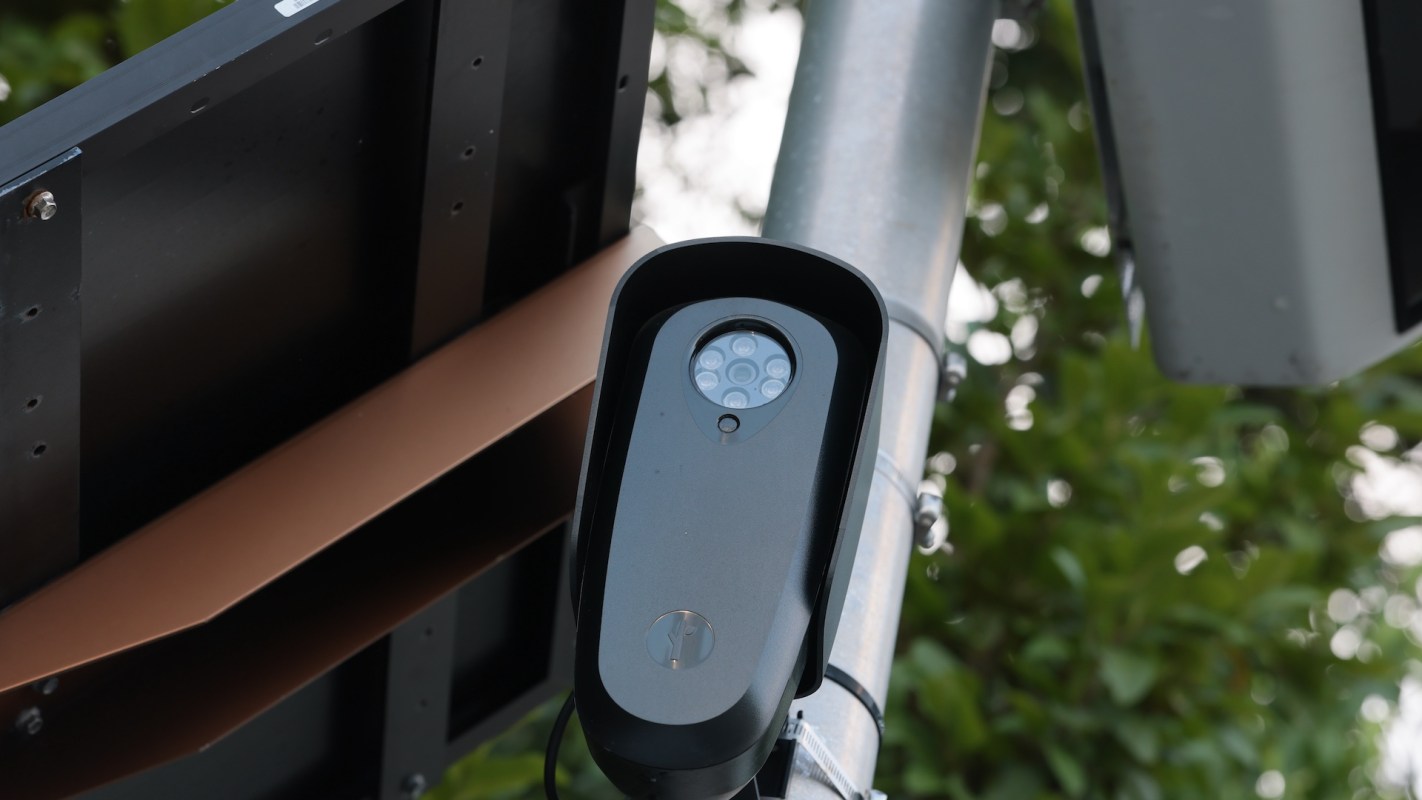
Ironton, Ohio, is pushing back against AI-powered license plate reading cameras as local officials argue that public safety should not come at the cost of constant monitoring, according to the Ironton Tribune.
Here's what to know
The Ironton Tribune reported that the town's City Council approved legislation banning automated license plate reader services and subscriptions to them within the city. A divided council passed the measure 4-3 after members argued over whether the language reached too far.
The council members who voted against the ban were Robby Brown, Nate Kline, and Craig Harvey. Meanwhile, Jacob Hock, Troy Scott, Chris Haney, and Sarah Simmons together voted for it.
Because the ordinance had already gone through three readings, council members could not change its text before voting, which could have resulted in additional delays. Councilman Troy Scott, who helped introduce the ordinance, said on Facebook that he saw it as a way to protect people from the spread of surveillance technology.
In his Facebook update, Scott wrote, "Tonight our ordinance passed which bans the use of ALPR technology by government entities within the city limits of Ironton. I hope this legislation gives peace of mind to our citizens & visitors as our society falls deeper into overreach by big-tech surveillance companies."
Scott added, "Government has a responsibility to protect citizens' rights, not make it easier for artificial intelligence to monitor their every move."
TCD Picks » Quince Spotlight
💡These best-sellers from Quince deliver affordable, sustainable luxury for all




More background
The best-known surveillance system at the center of this debate is made by Flock Safety. Its public cameras automatically read license plates and upload details, including a vehicle's make, model, and identifiers like bumper stickers, to a national database.
The system's reach has raised alarm among privacy advocates and countless everyday Americans.
Access extends to anyone with a Flock contract, including law enforcement and other entities such as insurance companies. Critics say that raises concerns about how easily a person's routine movements can be tracked, stored, and shared. And unfortunately, police officers have a track record of misusing this technology.
Opponents of these bans, including many police departments, often argue that AI-powered surveillance technology, like license plate readers, can help recover stolen vehicles and aid investigations in urgent situations.

Get TCD's free newsletters for easy tips, smart advice, and a chance to earn $5,000 toward home upgrades. To see more stories like this one, change your Google preferences here.






