


Excavations near Ireland's River Suir are raising the possibility that archaeologists have uncovered the country's largest Viking settlement, according to Archaeology Magazine.
The site, located at Woodstown in southeastern Ireland, appears to preserve an unusually intact picture of how Norse settlers lived, traded, and built communities over 1,000 years ago.
What happened?
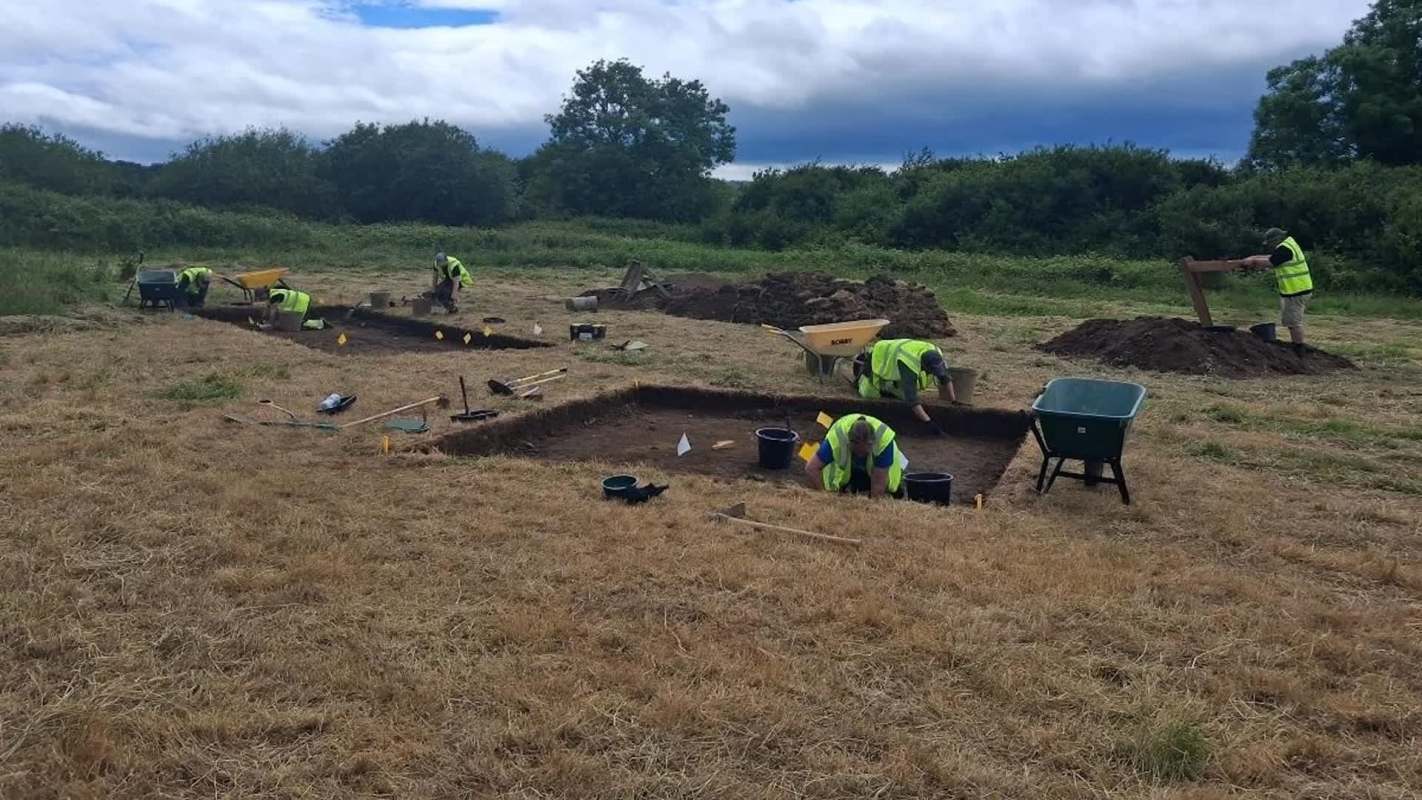
A joint team from Ireland and Norway is excavating the "fossilized" Woodstown, about 3.5 miles west of Waterford, where researchers are now examining a large building that may have served as a Viking longhouse or great hall.
The researchers believe Viking settlers from southwest Norway established the settlement more than 1,000 years ago.
As reported by Archaeology Magazine, Woodstown was initially rediscovered during road construction in 2003. Archaeologists have since recorded more than 600 features there, including hearths, building trenches, and evidence of houses and workshops.
The scale of those finds suggests Woodstown was not merely a temporary raiding base, but a thriving settlement tied to trade and industry.
TCD Picks » Quince Spotlight
💡These best-sellers from Quince deliver affordable, sustainable luxury for all




Surveys and excavations have also produced thousands of objects, including silver bars, lead measuring weights, ship nails, weapons, crucibles, Byzantine coins, and debris from metalworking. The discoveries point to the settlement being a part of a busy commercial hub with links stretching across the North Atlantic.
Why does it matter?
If Woodstown is confirmed as Ireland's largest Viking settlement, it could reshape how historians understand the Viking presence in the country.
Rather than viewing Viking communities mainly through the lens of raids and warfare, the site offers evidence of permanent settlement, organized trade, and everyday life. Many modern cities, including Dublin and Waterford, grew from Viking-era roots. Woodstown stands apart because it was abandoned and never developed into a modern city.
Because later development did not build over the site, much of the original landscape survived underground, giving archaeologists an unusual chance to examine a Viking colony that remained comparatively undisturbed.
Archaeologists also see the site as a rare window into Viking migration. Evidence from Ireland more broadly suggests Scandinavian settlers included both men and women, supporting the idea that entire communities crossed the sea, not just bands of warriors.
The excavation is helping show how Norwegian Vikings connected Ireland to a wider network of commerce, movement, and daily life during the Viking Age.

Get TCD's free newsletters for easy tips, smart advice, and a chance to earn $5,000 toward home upgrades. To see more stories like this one, change your Google preferences here.






