


A set of 6,500-year-old animal bones once believed to be the earliest mark of farming in Ireland has now been dramatically reclassified.
After decades of being cited as evidence of domestic cattle on the island, the remains appear to have actually belonged to wild boar and bear.
Here's what to know
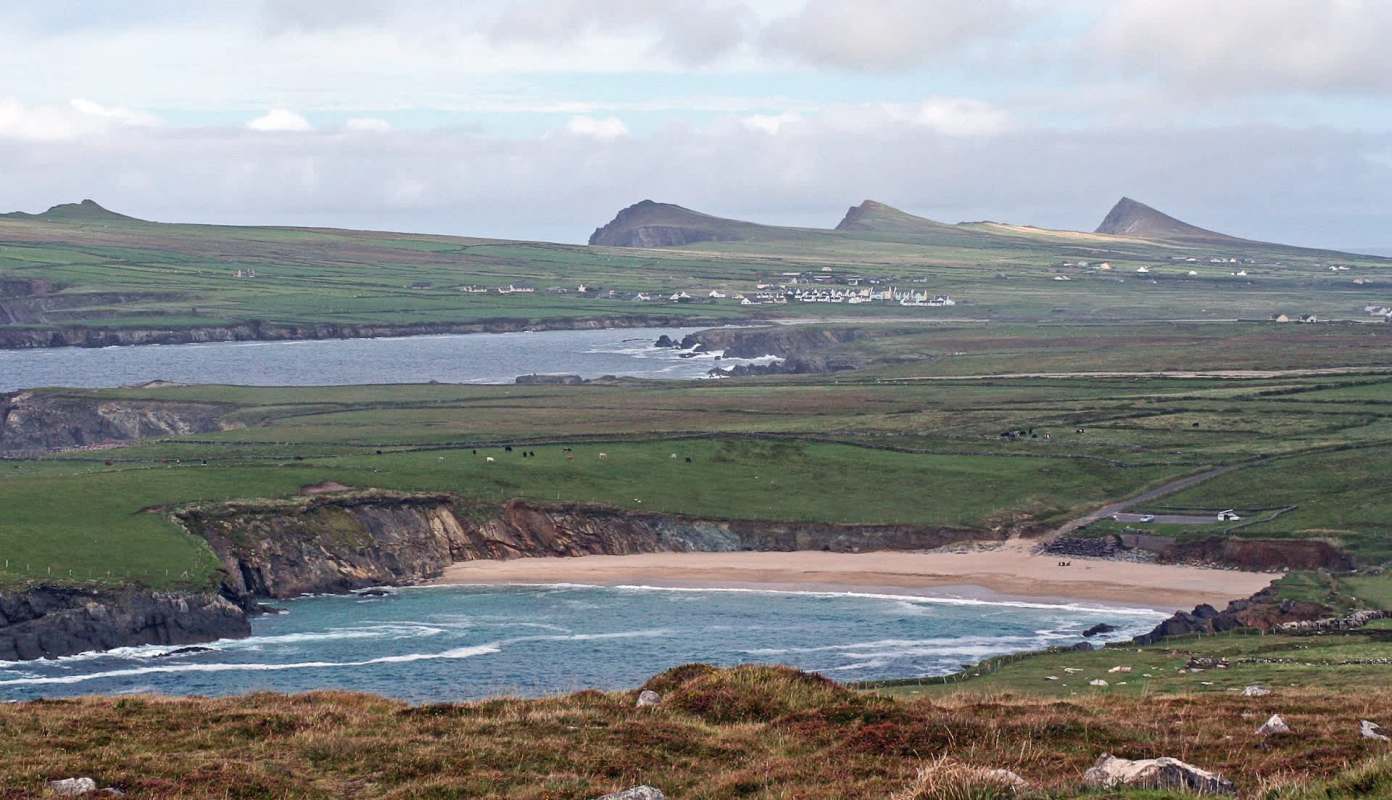
The remains in question were excavated at Ferriter's Cove in County Kerry from 1983 to 1995, and became known as the "Kerry cow" bones. Now, new work suggests that label was wrong, according to Smithsonian Magazine.
Because some of the bones were radiocarbon dated to 4450 to 4270 B.C.E., in the Late Mesolithic, archaeologists had long used them to argue that Ireland's hunter-gatherers were in contact with early Neolithic farmers before 4000 B.C.E.
That assumption led researchers from University College Dublin and University College Cork to reexamine the collection.
But further testing at a French National Center for Scientific Research laboratory in Lille found, through mass spectrometry protein testing, that the bones were from a bear and wild boar, not domestic cattle.
TCD Picks » Quince Spotlight
💡These best-sellers from Quince deliver affordable, sustainable luxury for all




More background
If the bones were not from domesticated animals, then a key piece of evidence for the early arrival of farming in Ireland falls away. That changes a long-accepted story about agricultural contact on the island.
The bear remains may also help resolve separate questions about Ireland's wildlife history. Researchers still do not know the species — though brown bear and polar bear are among the early possibilities — and identifying it could shed light on extinction and hybridization on the island.
What's being done?
Instead of relying on a new excavation, the team reexamined bones already held in collections using a more advanced testing method.
Researchers are still studying the bear material to pin down the species. A firmer identification could improve scientists' understanding of when bears disappeared from Ireland and whether different bear populations interbred before extinction.
Where can I learn more?
Questions about when domesticated animals first appeared can reshape more than the history of a single site. The articles here look at how large grazing animals are being restored, reimagined, and managed today — and how they continue to shape the landscapes around them.
• In Europe, conservationists are bringing aurochs-like cattle back to landscapes once shared with early settlers.
• In Illinois, ecologists have reintroduced bison to Kane County after two centuries away.
• Across the U.S., farmers are pairing solar panels with sheep grazing on working land.
Seen side by side, these examples show how animals still shape land use, conservation, and farming long after their earliest histories are written. That helps explain why the revised identification of the Ireland bones matters beyond a single dig site.

Get TCD's free newsletters for easy tips, smart advice, and a chance to earn $5,000 toward home upgrades. To see more stories like this one, change your Google preferences here.






