


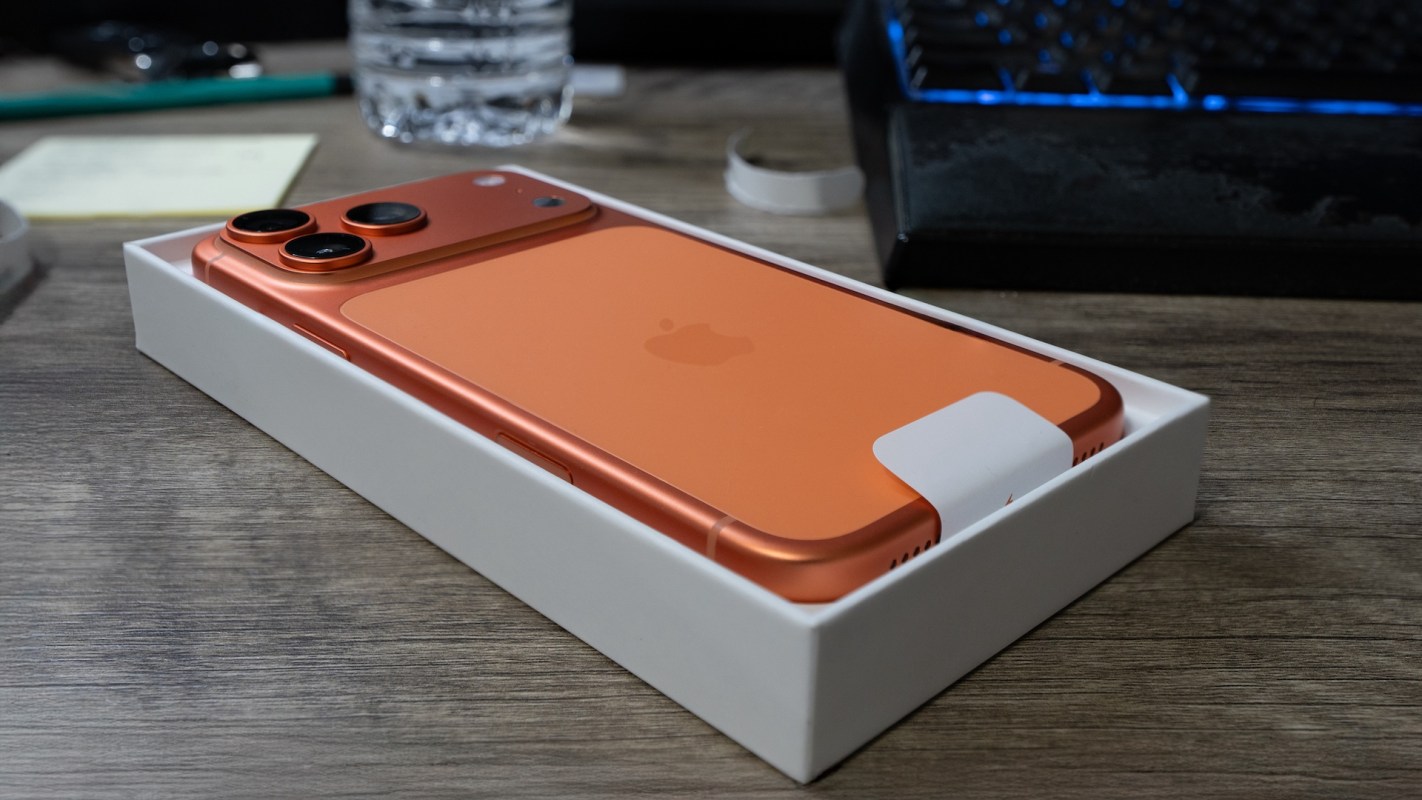
A buyer who purchased a used iPhone 17 Pro Max through Facebook Marketplace said the device lost service and was flagged as stolen after the sale. The case shows how scams involving secondhand electronics can cost shoppers money, erode trust in community marketplaces, and turn a working device into expensive e-waste.
Here's what to know
In a Reddit post on r/Scams, the original poster wrote, "I have proof of payment, messages with the seller, and all the device information."
What started as a Facebook Marketplace deal on a used iPhone 17 Pro Max reportedly unraveled after the sale. The buyer said the phone abruptly lost carrier service, and support told them Xfinity Mobile/Assurant had it marked as stolen. According to the buyer, the seller then wanted the phone back before issuing any refund.
Because the phone wasn't tied to their own account, the buyer said the companies involved wouldn't help.
An update added another detail. After contacting Assurant, the original poster said they were asked, "are you calling regarding the lost claim you made on 19th?" and replied, "I bought it on 18th." They also said the exchange happened face to face, that they know where the seller lives, and that the seller is still reachable on Facebook.
Commenters largely agreed on one thing: Sending the phone back without getting the money first would create another risk on top of the first.
TCD Picks » Quince Spotlight
💡These best-sellers from Quince deliver affordable, sustainable luxury for all




More background
One commenter offered an explanation: "What you are missing here is that it is unlikely the 'seller' reported it stolen. It is more likely that the seller was selling lost/stolen goods that did not belong to them. The rightful owner reported it stolen."
Another commenter suggested a different version of the same basic problem: "They sold it to you, then reported it stolen so they could claim it on insurance." Either way, the buyer could be left holding a device that can no longer function as intended on a carrier network.
What can be done?
For this buyer, commenters urged immediate documentation and formal reporting. One response summed up the most common advice, writing, "You should contact the police and file a police report."
Screenshots of listings, payment records, serial or IMEI information, and chat logs can all help establish what happened if a dispute moves to law enforcement, a payment app, or court.
If you are buying a phone secondhand, meeting at a carrier store and asking staff to verify the device status before payment can help reduce the risk. Using payment methods with buyer protection also offers far more security than irreversible transfers.
And if a seller insists on getting the device back before refunding your money, that is a major warning sign.
The original poster said they were already moving toward formal action rather than trusting the seller again, writing, "Thanks! Filed a complaint, waiting for instructions," and later adding, "I have all the evidence, payment proof to proceed with a legal matter."
Where can I learn more?
For more on similar issues, these articles cover other phone scams and customer disputes.
• In Pennsylvania, a fake Comcast call prompted an iPhone return that cost one buyer $1,200.
• A Samsung customer said a trade-in dispute dragged on after a returned phone caused frustration.
• Buyers of Trump Phone confronted refund fine print after preorders opened.

Get TCD's free newsletters for easy tips, smart advice, and a chance to earn $5,000 toward home upgrades. To see more stories like this one, change your Google preferences here.






