


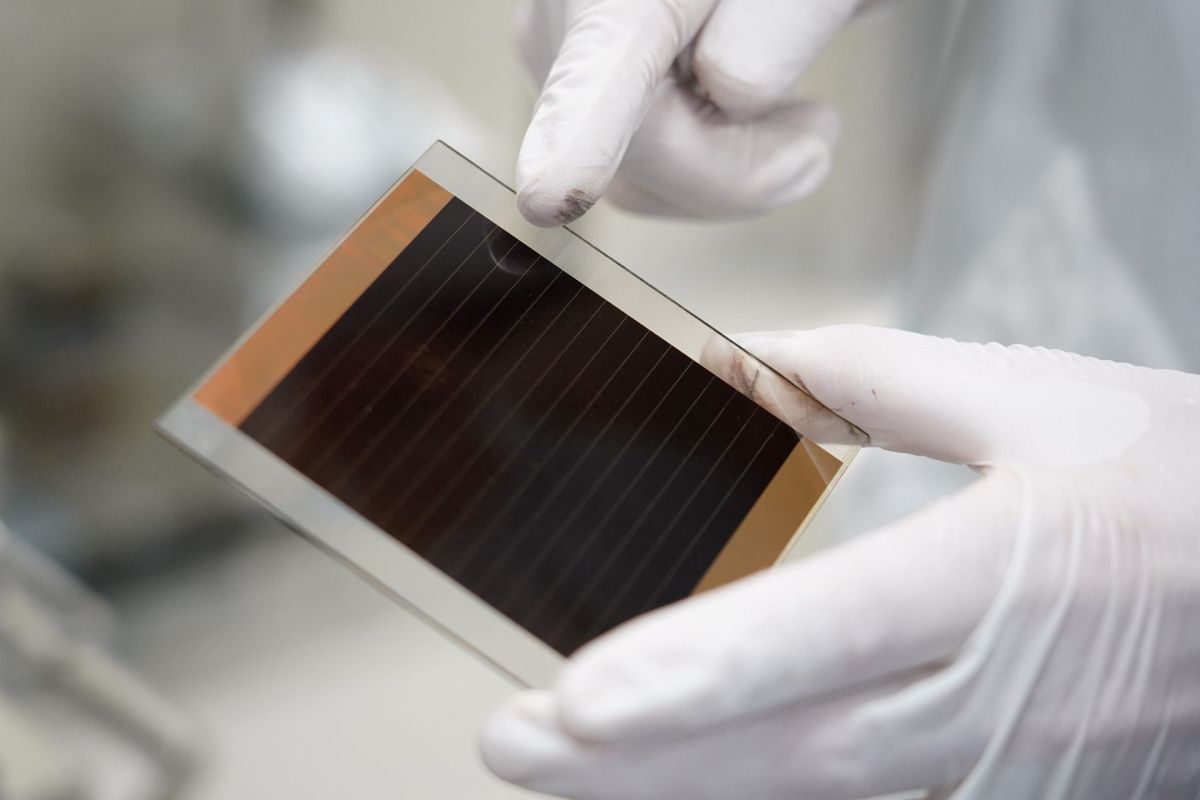
An inverted perovskite solar cell from researchers at Hebei University of Technology, Jiaxing Nanhu University, and Tianjin University delivered 27.39% efficiency after the team introduced an additive that bolsters stability, pv magazine reported.
Here's what to know
The study was published in Joule in August. Using an additive called ADA-DA, the researchers applied a steric-gated dual-site chelation strategy. This strategy allowed the resulting solar cell to have a 27.39% power conversion efficiency. A reference device made without the additive functioned at only 26.24%.
According to lead author Cong Chen, the work targeted a familiar weakness in perovskite devices.
"Rapid film crystallization can generate subtle defects that become concentrated at surfaces, grain boundaries, and buried interfaces," Chen said. "Although molecular additives can effectively mitigate these imperfections, their design requires a careful balance."
The study said the approach led to a smoother, denser perovskite layer with larger grains and fewer grain boundaries. It reported lower densities of both electron and hole traps. An outside certification body not identified confirmed the 27.39% efficiency result.
For homeowners, going solar is already one of the best ways to save money on energy, and tools like EnergySage can help you get free installation estimates and compare quotes.
More background
Perovskite solar cells may be able to deliver high performance at lower manufacturing costs than traditional silicon panels.
One of the biggest obstacles, however, has been durability. Tiny structural defects can lower efficiency and make the devices less stable over time.
Save $10,000 on solar panels without even sharing your phone number Want to go solar but not sure who to trust? EnergySage has your back with free and transparent quotes from fully vetted providers that can help you save as much as $10k on installation. To get started, just answer a few questions about your home — no phone number required. Within a day or two, EnergySage will email you the best local options for your needs, and their expert advisers can help you compare quotes and pick a winner. |

"Additive engineering offers a practical strategy to address these challenges by regulating crystallization while simultaneously passivating electronic defects. However, effective additives must balance strong defect binding with unhindered charge transport while ideally providing additional protection against environmental stress," Chen explained.
Rather than allowing excessive crowding at the interface, ADA-DA is designed so its adamantane core helps control local packing.
What's being done?
Continued study on this subject could help create solar panels that are even more efficient and cost-effective.
Chen even said the technology could be used in real buildings.
More From EnergySage
💡Go deep on the latest news and trends shaping the residential solar landscape

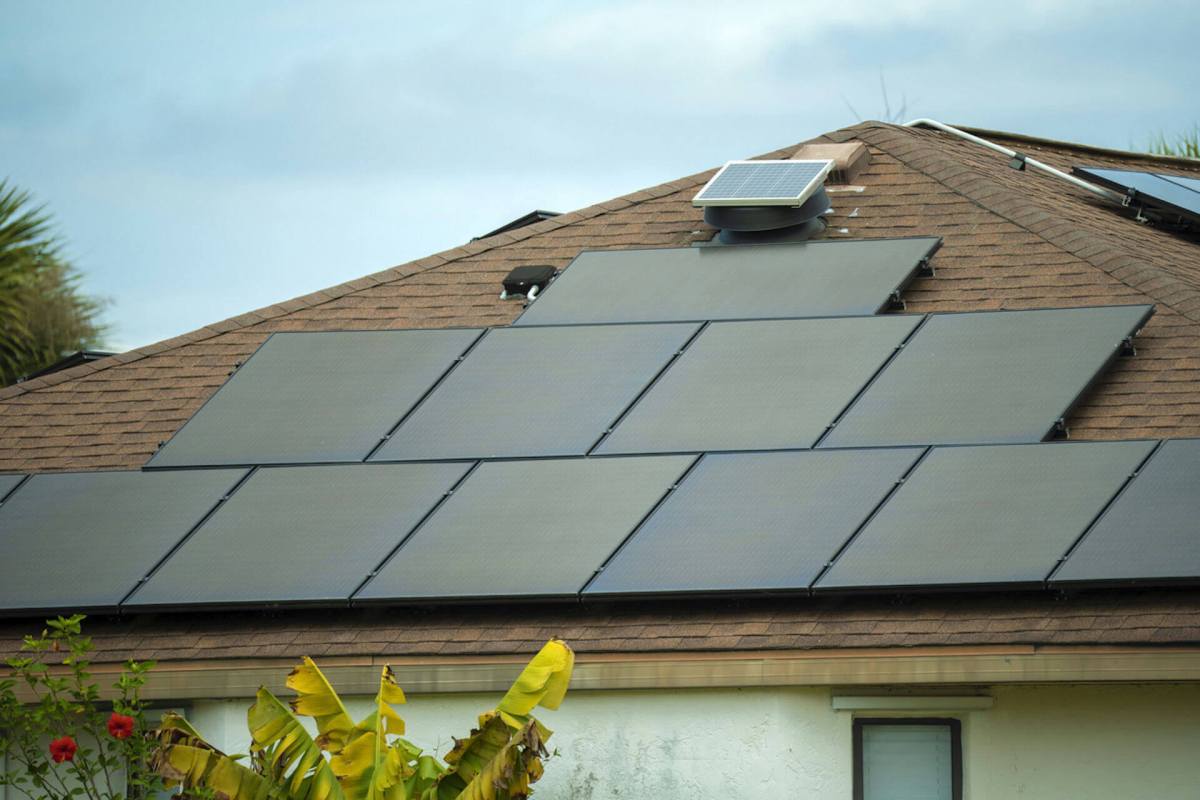
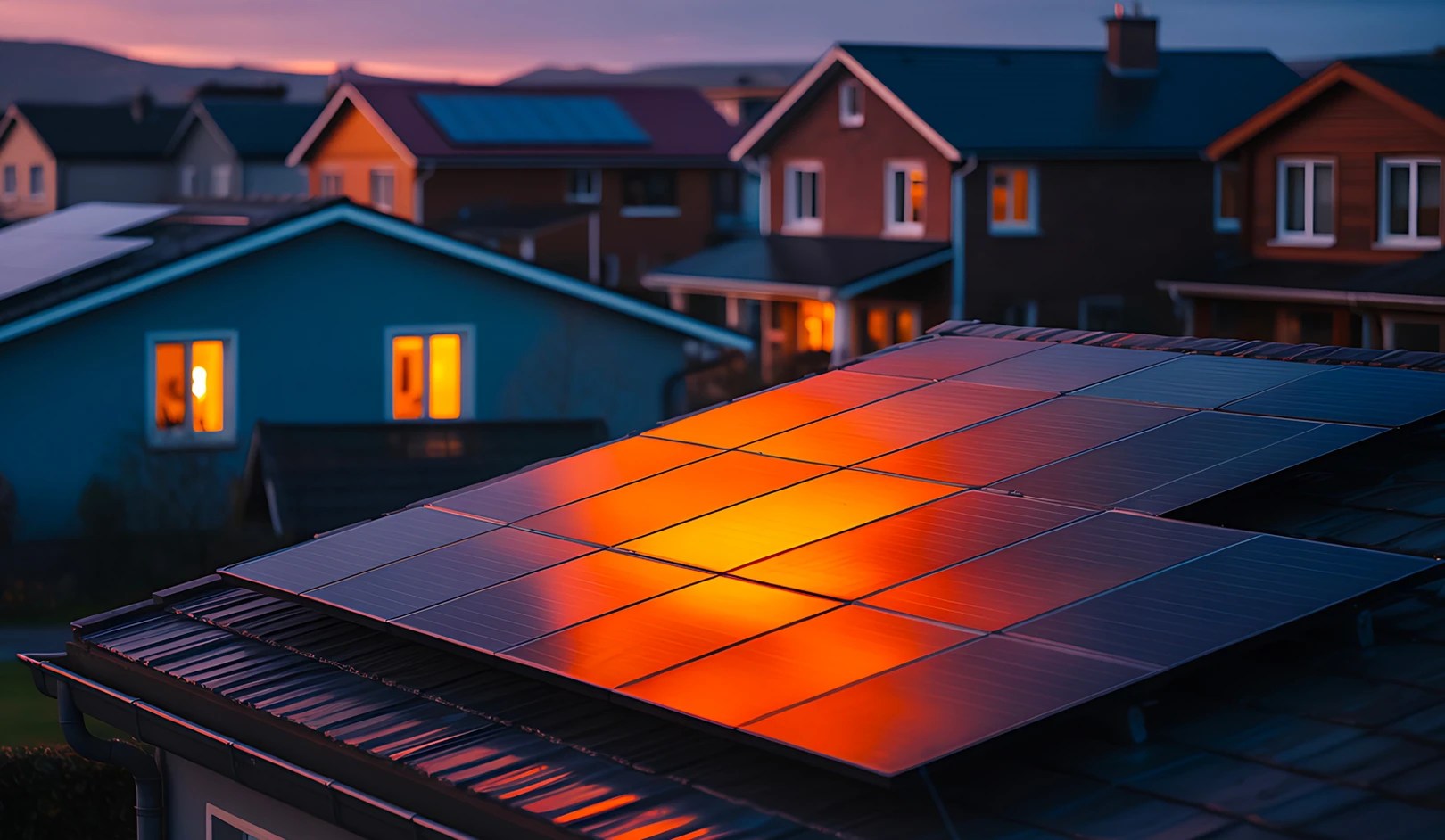

"The bifacial architecture combines high efficiency with transparency and illumination from either side, making it attractive for building-integrated photovoltaics (BIPV)," Chen stated.
With EnergySage's help, you can save up to $10,000 on average on solar purchases and installations. EnergySage's solar map shows the average cost of a home solar panel system by state, along with details on solar panel incentives for each state. Together, these resources can help homeowners get the best price for rooftop solar panels and access available incentives.
Adding battery storage to a solar setup is one of the best ways to protect your home during outages, save money on energy, and go off grid. Homeowners can explore EnergySage for information about home battery storage options, including competitive installation estimates.
Where can I learn more?
This breakthrough is part of a widespread effort to make solar cells more efficient with better materials and device designs.
• In Singapore, scientists achieved certified world-record efficiency with a new perovskite solar cell.
• At the Chinese Academy of Sciences, scientists built highly efficient and stable binary organic cells.
• At NREL, scientists found that molecules improve solar storage once they cross a key threshold.
• Researchers developed a tandem solar cell using antimony selenide that reached 20% efficiency.
• Scientists finally cracked the code on plastic-like organic solar cells for cleaner energy.

Get TCD's free newsletters for easy tips, smart advice, and a chance to earn $5,000 toward home upgrades. To see more stories like this one, change your Google preferences here.






