


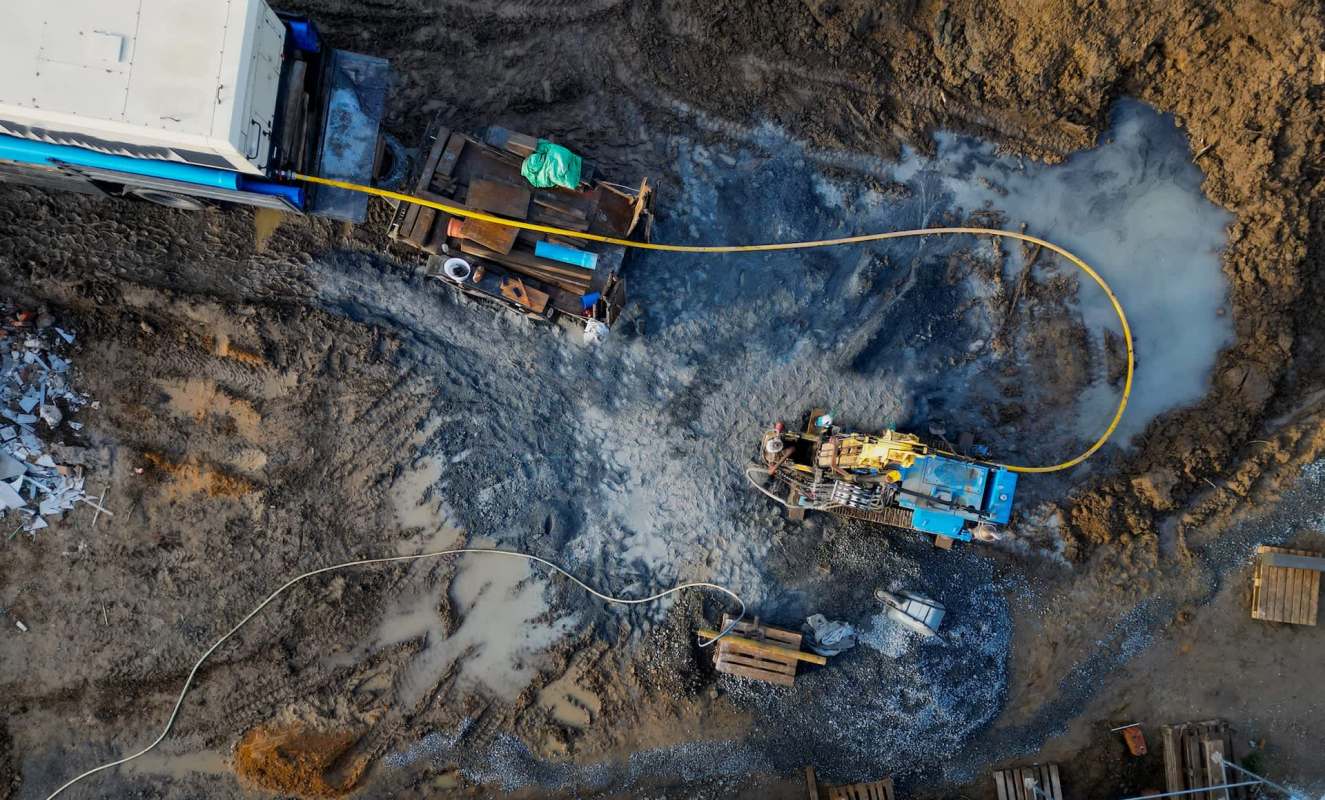
A proposal to pause a type of injection well used for oil drilling failed in Washington County, Ohio, but the debate made clear that fears over oilfield waste disposal and drinking water safety are not going away anytime soon.
At a county commission meeting, residents and one commissioner raised concerns about the potential risks tied to wells used to store brine and other liquids generated by oil and gas production.
Here's what to know
According to News and Sentinel, Washington County Commissioner Greg Nohe was the only member of the board to support a moratorium on Class II injection wells, and the proposal was defeated 2-1 at a county commission meeting.
The disagreement focused on a key issue: whether the wells could threaten local drinking water.
In a prepared statement, Nohe said, as the outlet quoted: "I remain steadfast in prioritizing the well-being of our residents. Every human endeavor carries inherent risks, but Class II injection wells appear to present out-sized risk with minimal benefit to our community."
Before voting, Commissioner Eddie Place said that discussions with Eric Vendel, chief of oil and gas resource management for the Ohio Department of Natural Resources, as well as a former Environmental Protection Agency official, had shaped his view of the wells.
TCD Picks » Quince Spotlight
💡These best-sellers from Quince deliver affordable, sustainable luxury for all




"I am convinced that (Class II injection wells) pose no dangers as of today to our drinking water," Place said, as reported by News and Sentinel.
Pointing to the lack of new permits since 2022, Commissioner Charlie Schilling said Washington County is already effectively in a yearslong freeze, adding: "We effectively have a four-year moratorium."
More background
Class II injection wells are used for underground disposal of wastewater from oil and gas production, including brine. Backers argue the sites are safely run under existing regulations, while opponents worry about contamination, the movement of waste below ground, and the wisdom of placing industrial byproducts near communities that depend on groundwater.
According to the News and Sentinel, Dee Wells Arnold of Washington County for Safe Drinking Water asked commissioners to support a three-year moratorium and order a geological review of the county.
Arnold told officials, as the outlet reported: "This is not an anti-energy position; it is a pro-drinking water position, and it should be easy for any Ohio leader to support."
What's being done?
The failed vote did not end the discussion.
Place said he has set up a meeting with Vendel and indicated he may revisit his stance if state agencies do not adequately respond to local concerns.
The News and Sentinel reported that Schilling said commissioners also hope to hear from Dave Jeffery, a Marietta College professor affiliated with the Center for Earth, Energy and the Environment to get an additional technical view. He also said ODNR has assured him that the county's Class II wells are properly permitted and operated.

Get TCD's free newsletters for easy tips, smart advice, and a chance to earn $5,000 toward home upgrades. To see more stories like this one, change your Google preferences here.






